
GLP-1 Basics
Where to inject Zepbound: sites, rotation, and technique
July 26, 2026 · 2 min read
The short answer
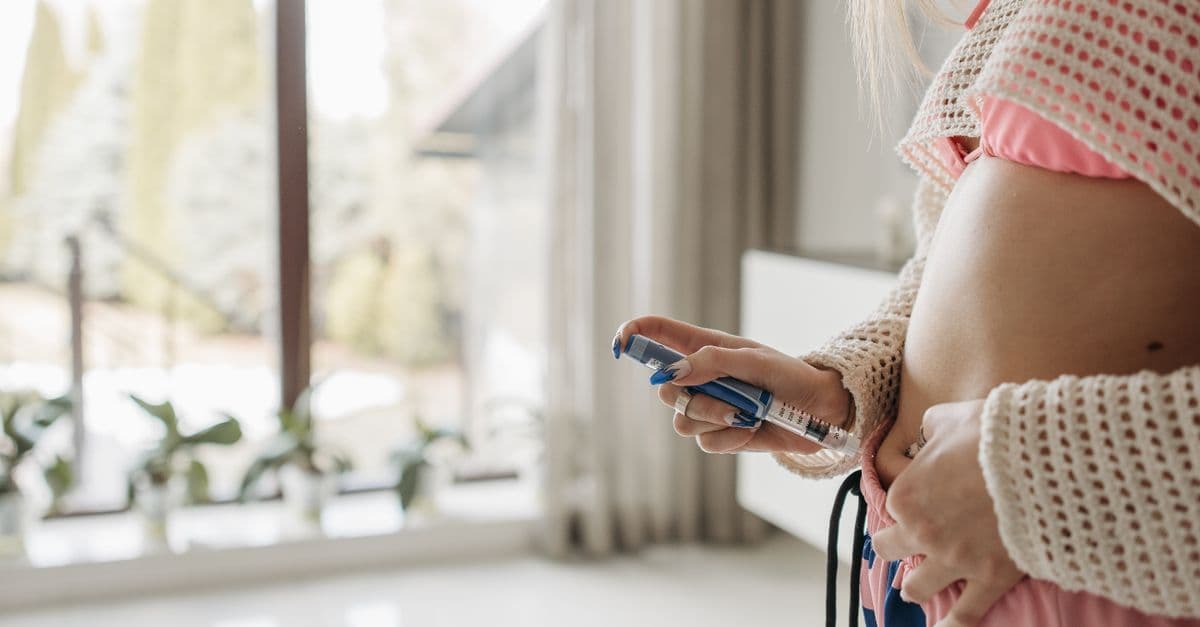
Zepbound (tirzepatide) is a subcutaneous injection, meaning it goes into the fat just under the skin. The approved sites are the abdomen (avoiding a two-inch area around the navel), the front of the thigh, and the back of the upper arm.
Rotate the site each week, and vary the exact spot within each area, to reduce injection-site reactions and keep absorption reliable. Let the pen reach room temperature, inject at a fresh spot, and do not reuse the same patch of skin.
Where does Zepbound go?
Zepbound is a subcutaneous injection, which means it goes into the fat layer just under the skin, not into muscle. That fat layer is where the once-weekly pen is designed to deliver it, and it is why the injection is generally quick and nearly painless. The approved injection areas are:
- The abdomen (belly), avoiding a roughly two-inch (5 cm) zone around the navel.
- The front of the thigh.
- The back of the upper arm (often easier if someone else administers it, but doable yourself).
All three work equally well; pick whichever you can reach comfortably and see clearly.
Why rotation matters
Injecting into the same small patch week after week irritates the tissue, makes injection-site reactions (redness, lumps, itching) more likely, and can make absorption less reliable over time. So rotate. A simple approach: move to a different area or a clearly different spot each week, and do not return to the exact same point until the skin has fully recovered. Our Zepbound injection-site reaction post covers what to do if a spot reacts.
Simple, comfortable technique
- Let the pen warm up. A few minutes out of the fridge makes the injection sting less.
- Clean, dry skin. Use a fresh spot away from scars, stretch marks, bruises, or irritated skin.
- Steady and smooth. Place the pen flat against the skin, press to start, and hold it still until it finishes delivering (follow the click and the dose window on your specific pen).
- Do not rub afterward. Light pressure is fine; rubbing spreads irritation.
Our general do GLP-1 shots hurt post and injection site pain post cover comfort, and always follow the instructions that come with your pen.
Track where you inject
The easiest way to rotate well is to keep a record of where you last injected, so you always move on. Logging your site each week in DoseLog makes rotation automatic and helps you and your prescriber spot a spot that keeps reacting. If you are unsure about technique, ask your pharmacist or prescriber to watch you do it once. This article is general information, not medical advice; follow your product's instructions for use.
Questions people ask
Where do I inject Zepbound?
Into the fat just under the skin of the abdomen (avoiding a two-inch area around the navel), the front of the thigh, or the back of the upper arm. All three work equally well; choose whichever you can reach and see comfortably.
Can you inject Zepbound in the same place every week?
No, rotate. Injecting the same small patch repeatedly irritates the skin, makes injection-site reactions more likely, and can make absorption less reliable. Move to a different area or a clearly different spot each week and let the skin recover before returning.
Does it matter which site you use for Zepbound?
The abdomen, thigh, and upper arm all work equally well for absorption, so it comes down to what you can reach and see comfortably. What matters more is rotating the exact spot and avoiding scars, bruises, or irritated skin.
How do I make the Zepbound injection more comfortable?
Let the pen reach room temperature first, use clean, dry skin away from scars and bruises, hold the pen steady until it finishes, and do not rub afterward. The needle is short and thin and goes into fat, so most people feel little.
References
- 1.Mounjaro and Zepbound (tirzepatide) prescribing information: dosing, adverse reactions, and warnings. View label on DailyMed ↗
- 2.Subcutaneous injection technique and site rotation reviews. Find on PubMed ↗
- 3.Mounjaro and Zepbound (tirzepatide) instructions for use. View label on DailyMed ↗
This article is general education, not medical advice. DoseLog is a tracking and reflection tool. Decisions about your medication, dose, and symptoms belong with a licensed clinician.
Keep reading
Symptoms
Injection site pain on a GLP-1: normal, fixable, or a flag?
Symptoms
GLP-1 injection site reactions: bumps, redness, itching and rash
Symptoms
Zepbound injection site reactions: redness, itching, and lumps
GLP-1 Basics
Where to inject Wegovy: sites, rotation, and technique
GLP-1 Basics
Where to inject Ozempic: sites, rotation, and technique
GLP-1 Basics
Do GLP-1 shots hurt? What the injection actually feels like