
Medications
GLP-1 supplements: do natural boosters actually work?
August 6, 2026 · 3 min read
The short answer
Over-the-counter GLP-1 boosters such as berberine, fiber, and protein are dietary supplements, not drugs, and none of them replicate the effects of semaglutide or tirzepatide. At best they nudge appetite or blood sugar modestly as part of a sensible diet.
Be skeptical of marketing that borrows a prescription drug's name, since supplements are not held to the same testing standards. No supplement stands in for a prescription GLP-1. This is general information, not medical advice.
What "GLP-1 supplements" claim to be
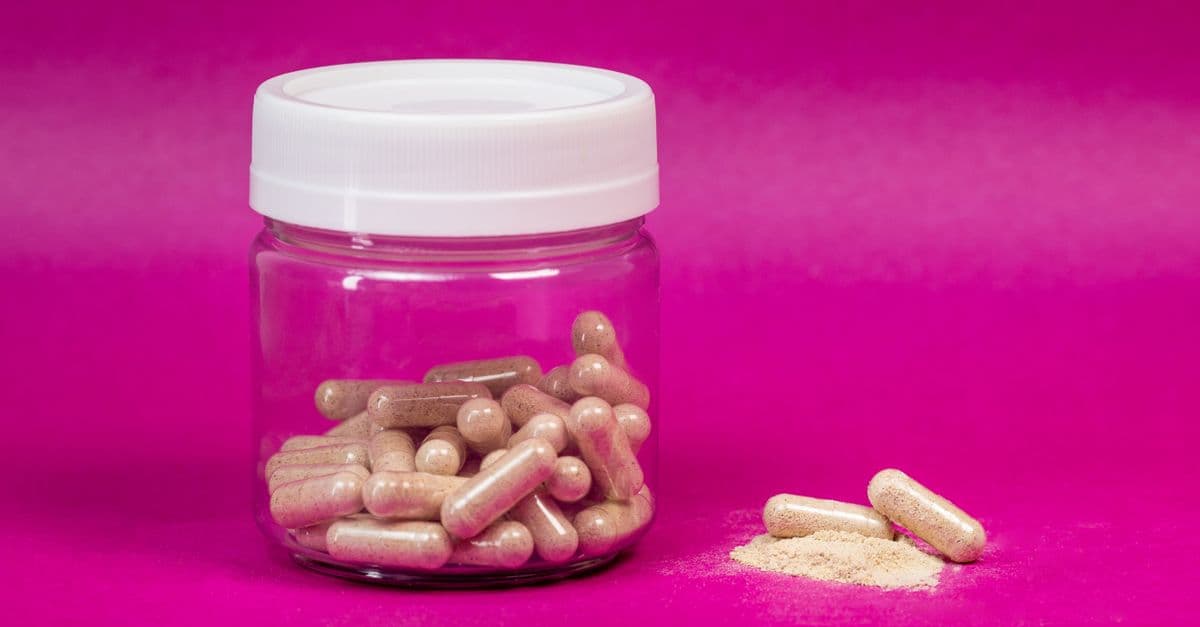
Search for a natural way to boost GLP-1 and you will find a crowded shelf of supplements, from berberine to fiber blends, protein powders, and various herbal "boosters." The marketing often implies they work like the prescription medications people keep hearing about. That framing is misleading. These products are dietary supplements, not drugs, and they are not the same thing as semaglutide or tirzepatide. This article is a plain, cautionary look at what they can and cannot do, offered as general information rather than medical advice.
How they differ from prescription GLP-1 drugs
Prescription GLP-1 medications are engineered molecules that directly activate the GLP-1 receptor, producing the strong appetite and blood-sugar effects seen in clinical trials. You can read how that works in our explainer on how GLP-1 medications work. Over-the-counter boosters do nothing of the sort. At best, ingredients like fiber and protein slow digestion and help you feel fuller, and something like berberine may nudge blood sugar modestly. None of them replicate the receptor activation or the results of the actual drugs. The gap is not small, it is essentially the whole mechanism. A supplement might trim your appetite by a few percent through fullness or habit, while the prescription drugs act on the biology of hunger directly, which is why their trial results are in a completely different league.
What the ingredients may actually do
Some of these ingredients have real, if modest, effects. Soluble fiber can blunt appetite and smooth out post-meal blood sugar. Adequate protein supports fullness and helps preserve muscle. Berberine has some evidence for lowering blood sugar, though it is not a weight-loss drug and can interact with other medications. The honest summary is that a few of these may help around the edges as part of a balanced diet, but "help around the edges" is a long way from what people picture when they hear the words GLP-1 booster. The expectations set by the marketing rarely match the biology.
Reading the marketing with a skeptical eye
Be wary of any supplement that borrows a prescription drug's name to sell itself. Phrases like "nature's Ozempic" are marketing, not science, and supplements are not held to the same testing or manufacturing standards as approved medications. This is also different from compounded versions of the real drugs, which are an entirely separate topic we cover in our post on what compounded GLP-1 is. If a product promises dramatic weight loss from a capsule, treat that promise as a red flag rather than a feature. Testimonials and before-and-after photos are easy to stage and prove nothing about whether a product works, so weigh claims against actual evidence, not marketing polish.
A sensible bottom line
No supplement replicates semaglutide or tirzepatide, full stop. If you want the genuine benefits of GLP-1 therapy, which we outline in our post on the benefits of GLP-1 medications, that is a conversation for a licensed clinician, not a supplement aisle. Fiber, protein, and a balanced diet are worthwhile on their own merits, and there is no harm in using them for what they are. Just do not expect them to stand in for a prescription drug, and be cautious about spending heavily on products that lean on a famous drug's name. If money is a factor, a simple diet built around fiber and protein costs far less than a shelf of boosters and rests on firmer ground. This is general information to help you spend wisely, not personal medical advice.
Questions people ask
Do natural GLP-1 supplements actually work?
Not in the way the marketing implies. Ingredients like fiber, protein, and berberine may nudge appetite or blood sugar modestly as part of a balanced diet, but none of them replicate the receptor activation or results of prescription GLP-1 drugs.
Is berberine the same as Ozempic?
No. Berberine is a supplement with some evidence for lowering blood sugar, but it is not a weight-loss drug and does not work like semaglutide. Phrases like nature's Ozempic are marketing, not science.
Can any over-the-counter product replace a prescription GLP-1?
No supplement replicates semaglutide or tirzepatide. If you want the genuine benefits of GLP-1 therapy, that is a conversation for a licensed clinician rather than a supplement aisle. This is general information, not medical advice.
Are GLP-1 supplements safe?
Supplements are not held to the same testing and manufacturing standards as approved medications, and some, like berberine, can interact with other drugs. Be skeptical of big weight-loss claims and check with a clinician before adding anything new.
References
- 1.Reviews of berberine and dietary supplements for appetite and metabolic health. Find on PubMed ↗
- 2.Ozempic and Wegovy (semaglutide) prescribing information: dosing, adverse reactions, and warnings. View label on DailyMed ↗
- 3.FDA communications on unproven and mislabeled weight-loss supplements. Find on PubMed ↗
This article is general education, not medical advice. DoseLog is a tracking and reflection tool. Decisions about your medication, dose, and symptoms belong with a licensed clinician.
Keep reading
Medications
What is a compounded GLP-1, and what should you know if you're on one?
GLP-1 Basics
How does a GLP-1 actually help you lose weight?
GLP-1 Basics
GLP-1 benefits: what these drugs actually do beyond weight loss
Medications
GLP-1 and fatty liver disease: what the evidence shows
Medications
GLP-1 and cholesterol: effects on your lipid panel
Medications
Tirzepatide vs retatrutide: how the two compare