
GLP-1 Protein Guide
How much protein do you need on a GLP-1?
1.2–1.6 g
per kg of goal weight, daily
25–35 g
banked at breakfast
80 g
a common daily floor
A common evidence-informed range for people losing weight on a GLP-1 is roughly 1.2 to 1.6 grams of protein per kilogram of goal body weight per day. That is noticeably more than the standard adult baseline, because a body in rapid weight loss is defending muscle while it sheds fat. The hard part is not knowing the number. It is reaching the number on a day when three bites feel like a full meal. That takes front-loading, denser food choices, and a log you will actually keep.

Medically reviewed by Miyuki Abe, Pharmacist · July 26, 2026
Highlights
Key takeaways
- 01
During active weight loss on a GLP-1, aim for roughly 1.2 to 1.6 g of protein per kilogram of goal body weight per day (about 0.55 to 0.7 g per pound). For most adults that lands between 80 and 140 g.
- 02
Use goal weight, not current weight, so the target stays anchored to the body you are building. Confirm your personal number with your clinician or a dietitian.
- 03
Protein drops by default on a GLP-1: nobody decides to eat less of it, it just happens when portions halve. That quiet drift is what costs muscle over months.
- 04
Front-load the day. Appetite is usually most cooperative in the morning, so a protein-forward breakfast banks 25 to 35 g before the day gets noisy.
- 05
Set a floor you hit every day rather than a stretch goal you hit twice a week. On rough days, liquid protein counts just the same.
- 06
DoseLog tracks protein, fiber, and water against goals tuned for smaller portions, on the same timeline as your dose and how you felt. Drift becomes visible instead of invisible.
Daily protein targets by goal body weight
| Goal weight | At 1.2 g/kg | At 1.6 g/kg | Breakfast anchor |
|---|---|---|---|
| 60 kg (132 lb) | 72 g | 96 g | 20–30 g |
| 70 kg (154 lb) | 84 g | 112 g | 25–30 g |
| 80 kg (176 lb) | 96 g | 128 g | 25–35 g |
| 90 kg (198 lb) | 108 g | 144 g | 30–35 g |
| 100 kg (220 lb) | 120 g | 160 g | 30–40 g |
Ranges reflect commonly used clinical guidance for protein intake during active weight loss. They are general educational figures, not a prescription. Kidney conditions, training load, and medical history all shift the right number, so confirm yours with your clinician or a dietitian.
Why does protein matter more on a GLP-1?
When you lose weight quickly, not all of it is fat. Without enough protein and some resistance work, a meaningful share of the loss can come from lean mass: the muscle that keeps your metabolism steadier and makes the result feel like health rather than just a smaller number.
GLP-1 medications make this tension sharper. The same appetite quiet that makes the calorie deficit easy also shrinks the meals that used to carry your protein. Nobody decides to eat less protein. It happens by default when portions halve.
What is a realistic daily protein target?
Ranges used in clinical weight-management guidance for people in active weight loss commonly land around 1.2 to 1.6 g of protein per kilogram of goal body weight per day. In pounds, that is roughly 0.55 to 0.7 g per pound of goal weight.
Use goal weight rather than current weight, so the target stays realistic for a smaller appetite while still protecting lean mass. And treat the range as a direction, not a pass-fail line. Your clinician or a dietitian can tune it to your kidneys, your training, and your history.
How do you actually hit the target with a small appetite?
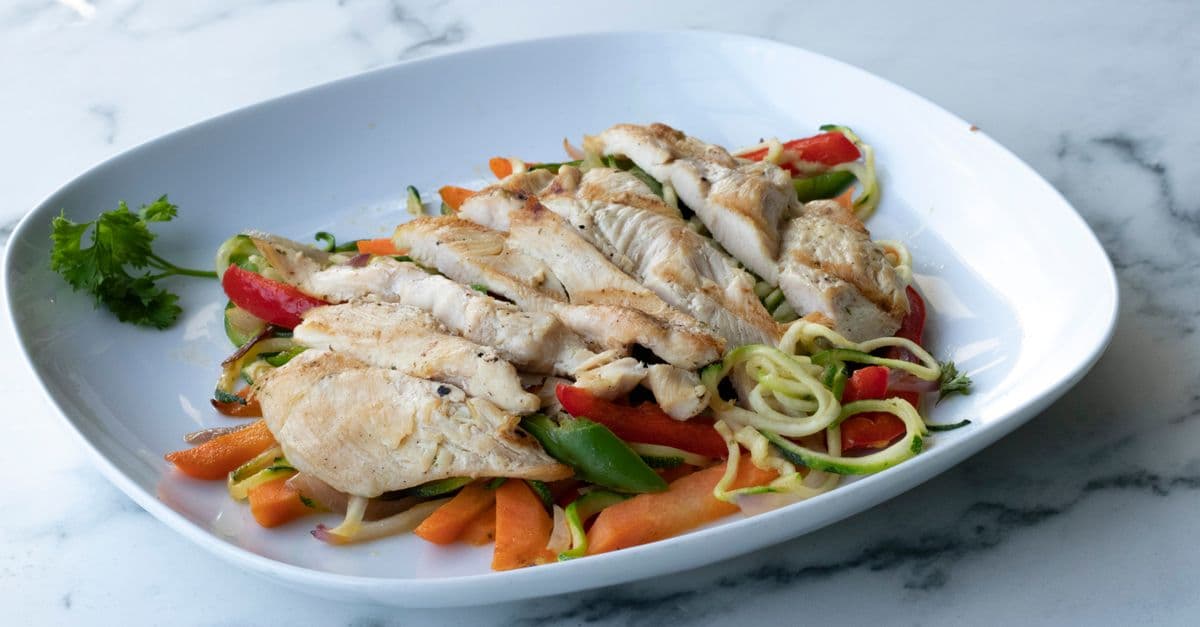
For many people, appetite is most cooperative in the morning. A protein-forward breakfast (eggs, Greek yogurt, cottage cheese, leftover chicken, a shake) banks 25 to 35 g before the day gets noisy. Evenings on a GLP-1 are unreliable; mornings are your friend.
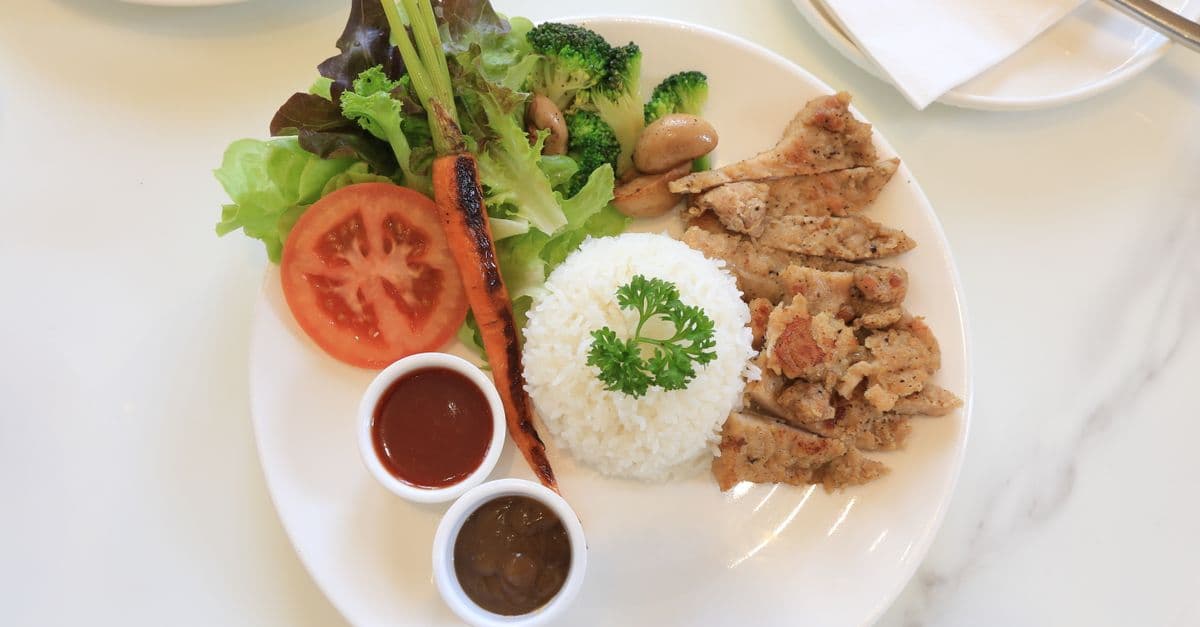
When ten bites is the whole budget, spend them on food that carries the most protein per bite: fish, poultry, lean beef, eggs, tofu, tempeh, skyr, cottage cheese. Save low-density fillers for days your appetite shows up.
Set a non-negotiable minimum, say 80 g, and treat everything above it as a bonus. A floor you hit daily beats a target you hit twice a week. And on rough-stomach days, a shake or high-protein milk goes down when a chicken breast will not. Liquid protein counts just the same.
- Front-load: 25 to 35 g at breakfast, before the day gets unpredictable.
- Density over volume: pick foods with the most protein per bite.
- Floor, not stretch goal: a daily minimum you never miss.
- Liquids on rough days: shakes and high-protein dairy count fully.
- Batch-cook two or three defaults so low-energy days need no decisions.
How does tracking change the outcome?
Protein is the nutrient most likely to drift quietly on a GLP-1, and drift is invisible without a record. Logging meals against a protein goal turns a vague sense of eating enough into a line you can actually see: which days added up, which did not, and what the short days had in common.
That is the job DoseLog was built for. Protein, fiber, and water tracked against goals tuned for smaller portions, on the same timeline as your dose and how you felt.
When is low protein a problem worth raising?
A short week happens to everyone. A pattern of them is worth acting on, because the costs of a sustained protein deficit (muscle loss, deeper fatigue, hair shedding months later) arrive quietly and late.
Bring your log to your clinician if the signs below show up. The conversation is far more productive with two weeks of records than with a guess.
Raise it with your clinician if you notice
- Strength clearly sliding week over week while weight drops fast
- Most days landing far below your protein floor despite trying
- Meals collapsing to almost nothing for days at a time
- New, noticeable hair shedding a few months into treatment
- Persistent fatigue that tracks your lowest-protein days
- Any question about protein targets with a kidney condition
FAQ
Frequently asked questions
How much protein should I eat on a GLP-1?
A commonly used range during active weight loss is 1.2 to 1.6 g per kilogram of goal body weight per day (about 0.55 to 0.7 g per pound). For most adults that lands between 80 and 140 g daily. Confirm your personal target with your clinician or a dietitian.
What happens if I don't eat enough protein on a GLP-1?
A larger share of your weight loss can come from muscle rather than fat, which can mean more fatigue, weaker strength, and a metabolism that drops more than it needs to. Protein plus resistance exercise is the standard defense.
Are protein shakes okay on a GLP-1?
Yes. Liquid protein is often easier to tolerate on low-appetite or nauseous days, and it counts toward your target just like solid food. Many people use one shake a day to cover the gap their meals leave.
Should I use current weight or goal weight to calculate protein?
Goal body weight is the more practical anchor during weight loss. It keeps the target realistic for a smaller appetite while still protecting lean mass.
Track your GLP-1 journey on one quiet line.
Log your shot, injection site, meals, and side-effect severity together, and walk into your next appointment with a week-by-week picture instead of a guess.
Sources
- 1.Clinical weight-management guidance on protein intake during active weight loss (commonly cited 1.2–1.6 g/kg ranges in obesity-medicine practice recommendations). Find on PubMed ↗
- 2.Semaglutide and tirzepatide prescribing information: dosage, administration, and adverse-reaction sections. View label on DailyMed ↗
- 3.Published reviews of body-composition change (fat mass vs lean mass) during GLP-1 receptor agonist therapy. Find on PubMed ↗
- 4.Sports and clinical nutrition literature on protein distribution and muscle protein synthesis during energy deficit. Find on PubMed ↗
This guide is for general education and is not medical advice. It doesn't account for your personal medical history, other medications, or your individual situation, and it doesn't replace a conversation with your doctor or pharmacist. Do not start, stop, or change the dose of GLP-1 or any medication based on what you read here. If you think you have a medical emergency, call your local emergency number. DoseLog is a tracking app; drug and company names are used factually under nominative fair use, and DoseLog is not affiliated with, endorsed by, or sponsored by any manufacturer mentioned.