
GLP-1 Nausea Guide
GLP-1 nausea relief: what helps, what doesn't, and when to call
24–72 h
after a dose, when it clusters
2–3 wks
typical settling after a step-up
24 h
of fluids not staying down = call
Nausea is the most frequently reported GLP-1 side effect. It typically clusters in the 24 to 72 hours after a dose, peaks in the weeks after a dose increase, and eases as your body adapts. Relief comes from mechanics, not heroics: smaller and slower meals, less fat while it is rough, cold and bland options, steady fluids, and honest logging so you and your prescriber can see whether it is fading or building.

Medically reviewed by Miyuki Abe, Pharmacist · July 26, 2026
Highlights
Key takeaways
- 01
The medication slows gastric emptying and acts on the brain's appetite circuitry. Both are levers with nausea on the other end, especially right after doses rise.
- 02
The pattern matters as much as the fact. Nausea with a fading trend is a nuisance; nausea with a building trend is information your prescriber needs.
- 03
Shrink and slow the meals. A slowed stomach punishes speed and volume first. Stop at pleasantly done.
- 04
Go low-fat, bland, and cold while it is rough. Cold foods carry less aroma, and aroma is a trigger.
- 05
Sip, do not chug. Small frequent sips of cold or fizzy water or ginger tea. Dehydration makes nausea worse, and vomiting makes dehydration worse.
- 06
Do not skip doses or add anti-nausea medication on your own. Both are prescriber conversations, made better by your log.
What helps a queasy day, and when
| Tactic | When to use it | Why it works |
|---|---|---|
| Half portions, eaten slowly | Every meal on rough days | A slowed stomach punishes speed and volume |
| Bland, low-fat staples | The 2–3 days after a dose | Fat is slowest to digest and quickest to backfire |
| Cold food over hot | When smells set you off | Cold carries less aroma, a common trigger |
| Small sips, cold or fizzy | All day, not big glasses | Keeps fluid in without stretching the stomach |
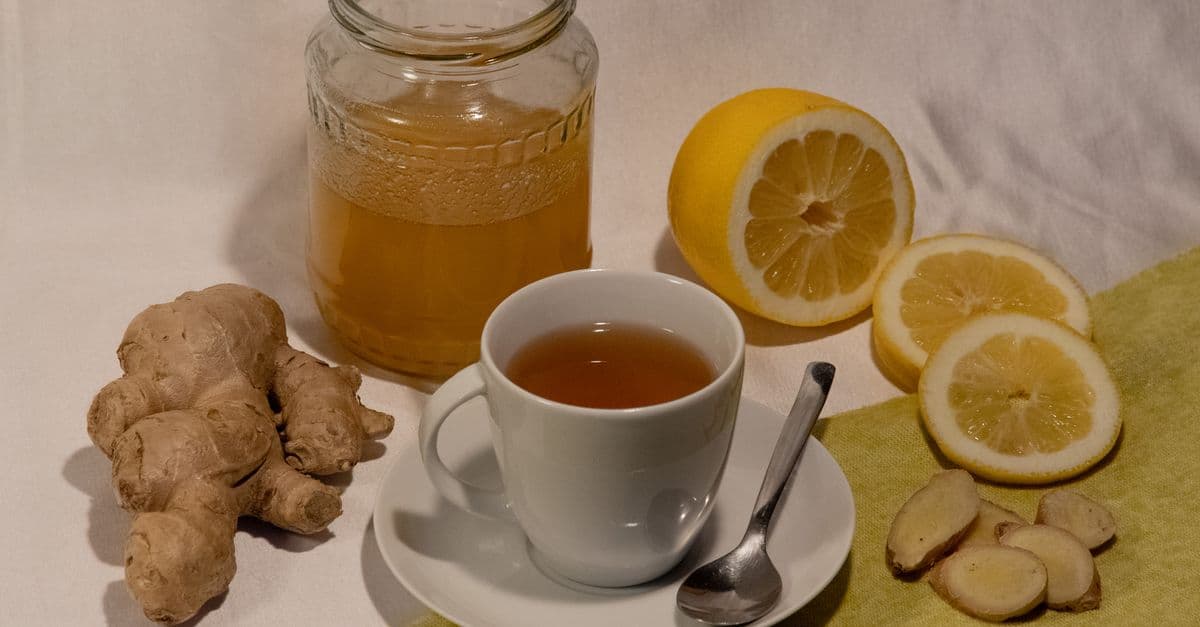
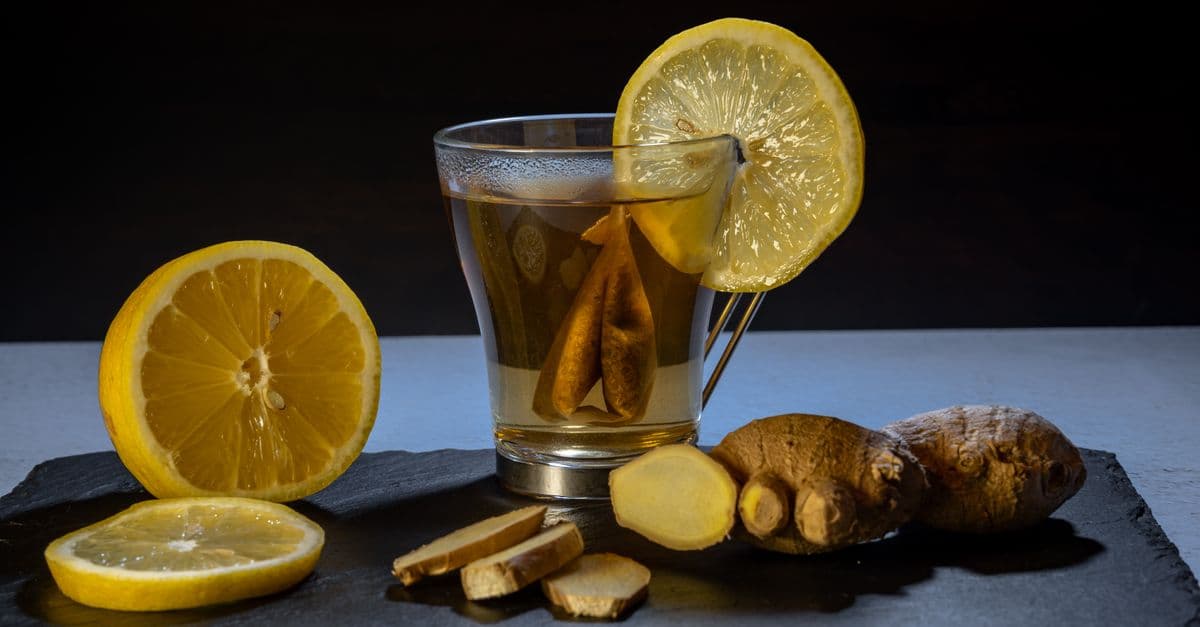
| Ginger tea or chews | Between meals | Real anti-nausea evidence, gentle and cheap |
| Stay upright 30–60 min | After every meal | Gravity helps a slow stomach empty |
| A short walk | After eating, if you can | Gentle movement aids gastric emptying |
General supportive-care tactics reported to help most people; none replace medical advice. Ask your prescriber or pharmacist before adding any anti-nausea medication, and never adjust your dose on your own.
Why do GLP-1s cause nausea?
The medication slows gastric emptying and acts on the brain's appetite circuitry. Both are useful for eating less, and both are levers with nausea on the other end. Food staying longer in the stomach means old portion sizes and greasy meals suddenly overstay their welcome, and the brain's fullness signaling can tip into queasiness, especially right after doses rise.
The pattern matters as much as the fact. For most people nausea clusters after dose days, spikes for a couple of weeks after each dose increase, and trends downward over time. Nausea with a fading trend is a nuisance. Nausea with a building trend is information your prescriber needs.
What actually helps on a queasy day?
Think mechanics, not heroics. The tactics in the table above cover the day-to-day playbook: smaller and slower meals, bland and low-fat while it is rough, cold over hot, steady small sips, ginger, and staying upright after eating.
Two useful details. First, an empty stomach can be as queasy as a full one, so tiny bland snacks beat eating nothing all day. Second, on rough days liquids carry the load: broth, protein shakes, and diluted electrolyte drinks keep nutrition and fluid coming when a plate will not.
What doesn't help, and can make it worse?
Skipping food entirely for the whole day. Pushing big make-up meals on good days. Greasy comfort food as a reward for surviving a rough one. Lying down right after eating. Toughing out escalating vomiting without telling anyone.
And do not self-add anti-nausea medication without asking your prescriber or pharmacist first, and do not skip or change doses on your own. Dose decisions belong to your prescriber, informed by your log.
When should you call your clinician?
Ordinary adjustment nausea fades week over week. A short list of symptoms is different and needs prompt contact rather than patience.
There is also a softer trigger: if your log shows nausea getting worse across weeks instead of better, book the conversation. Dose pace can often be adjusted.
Call your clinician the same day if
- You cannot keep fluids down for more than about 24 hours
- Vomiting is repeated and worsening rather than occasional
- Severe, persistent stomach pain, especially radiating to the back
- Yellowing of the skin or eyes
- Signs of real dehydration: very little urine, dizziness, racing heart
- Nausea so constant that eating and drinking have collapsed for days
Why log it instead of just enduring it?
Because the question you will be asked in a calm exam room weeks later is how the nausea has been, and memory flattens everything into kind of bad, I guess. A tap-to-log record of what, when, and how strong turns that into a sentence a prescriber can act on: moderate for two days after each increase, fading by week three.
That is the exact job of side-effect logging in DoseLog: your symptoms on the same steady line as your doses, so the pattern is visible instead of vibes.
FAQ
Frequently asked questions
How long does GLP-1 nausea last?
Typically it clusters in the 24 to 72 hours after a dose and is most intense in the first weeks after starting or increasing a dose, easing as your body adapts. Persistent or worsening nausea across weeks is worth raising with your prescriber.
What helps nausea from semaglutide or tirzepatide fast?
Small bland low-fat snacks instead of full meals, cold foods over hot, small frequent sips of cold or fizzy water, ginger tea or chews, staying upright after eating, and fresh air. Ask your prescriber before adding any anti-nausea medication.
Should I skip my dose if I feel nauseous?
Not on your own. Dose changes are your prescriber's call. Log how bad the nausea is and when it hits, and contact them; they may adjust pace or timing rather than stopping treatment.
When is GLP-1 nausea an emergency?
If you cannot hold fluids down for 24 or more hours, vomiting keeps escalating, you have severe persistent abdominal pain (especially radiating to the back), or you show dehydration signs like minimal urine and dizziness, seek medical care promptly.
Track your GLP-1 journey on one quiet line.
Log your shot, injection site, meals, and side-effect severity together, and walk into your next appointment with a week-by-week picture instead of a guess.
Sources
- 1.GLP-1 receptor agonist prescribing information: gastrointestinal adverse reactions and warnings. View label on DailyMed ↗
- 2.Published reviews of GLP-1 tolerability and supportive management of nausea. Find on PubMed ↗
- 3.Clinical evidence on ginger as a mild anti-nausea intervention. Find on PubMed ↗
This guide is for general education and is not medical advice. It doesn't account for your personal medical history, other medications, or your individual situation, and it doesn't replace a conversation with your doctor or pharmacist. Do not start, stop, or change the dose of GLP-1 or any medication based on what you read here. If you think you have a medical emergency, call your local emergency number. DoseLog is a tracking app; drug and company names are used factually under nominative fair use, and DoseLog is not affiliated with, endorsed by, or sponsored by any manufacturer mentioned.
Keep reading
GLP-1 Fatigue Guide
Why GLP-1s can make you tired, and how to get your energy back
GLP-1 & Gallbladder Guide
GLP-1s and your gallbladder: the risk, explained without panic
GLP-1 & Thyroid Guide
GLP-1s and thyroid cancer risk: what the boxed warning actually says
GLP-1 & Pancreatitis Guide
GLP-1s and pancreatitis: the warning, the data, the symptoms