
GLP-1 Diet Plan Guide
GLP-1 diet plan: how to eat when appetite is small
Protein first
the one rule that carries the plan
3 anchors
meals structured, not counted obsessively
Any cuisine
a framework, not a menu
A GLP-1 diet plan is not another restriction list for a body that is already eating less. It is the opposite problem: when appetite shrinks, the danger is not overeating but under-nourishing, so the plan's job is to make every small meal pull its weight. The framework is simple and cuisine-agnostic: protein first at every meal, produce and fiber second, gentle preparation, steady fluids, and a structure you can keep on a low-appetite day. Below is the framework, a sample day, and how to bend it around whatever you already like to eat. It is not a diet you follow; it is a shape you give the food you were going to eat anyway.
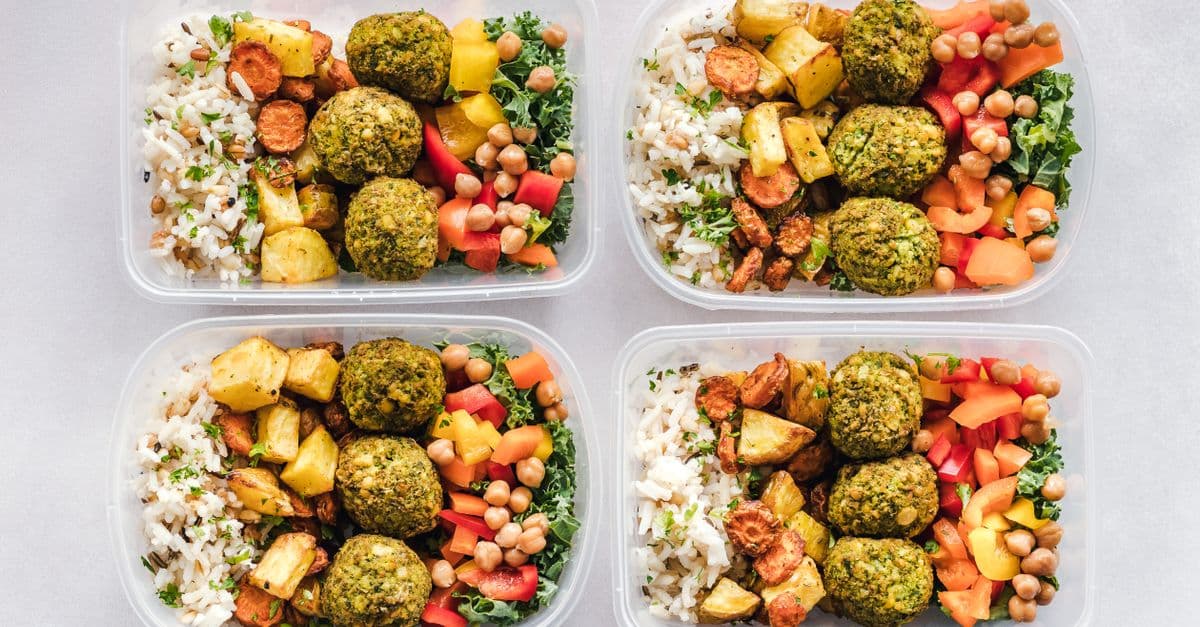

Medically reviewed by Miyuki Abe, Pharmacist · July 26, 2026
Highlights
Key takeaways
- 01
The goal flips on a GLP-1: not eating less (the drug handles that) but making small meals nutrient-dense enough to protect muscle, energy, and hair.
- 02
Protein first is the whole plan in three words: hit a daily floor of 1.2 to 1.6 g per kg of goal weight, front-loaded when appetite is best.
- 03
Structure beats counting: three protein-anchored eating windows plus fluids, adjusted for the day, keeps you fed without obsessive tracking.
- 04
Gentle preparation matters as much as the food: a slowed stomach punishes fried, heavy, and oversized meals, so the same foods cooked simply sit better.
- 05
It is cuisine-agnostic: this is a framework you apply to your own food, not a menu of sad chicken and broccoli.
- 06
Fiber and fluid are the supporting cast: they manage constipation and satiety, built up gradually with water behind them.
A sample GLP-1 day (a structure, not a prescription)
| Window | Job | Example (swap freely) |
|---|---|---|
| Morning (appetite best) | Bank 25–35 g protein early | Eggs + Greek yogurt, or a protein shake |
| Midday | Protein + produce, gentle prep | Chicken or tofu + soft-cooked vegetables + rice |
| Evening (appetite lowest) | Small, protein-first, low-fat | Fish or lentils + steamed greens |
| Snack (if needed) | Close the protein gap | Cottage cheese, skyr, edamame, jerky |
| All day | Fluids + fiber | 2–3 L water; fiber built up gradually |
| Rough days | Liquids carry the load | Shakes, broth, high-protein milk |
A framework to adapt, not a meal plan to obey. Portions scale to your appetite; the non-negotiables are the daily protein floor and steady fluids. Confirm targets with your clinician or a dietitian, especially with kidney concerns.
Why the goal is the opposite of a normal diet
Most diet plans fight overeating. On a GLP-1, the medication already handles intake, sometimes too well: appetite can drop so far that people under-eat, lose muscle, and feel flat. So the plan's purpose inverts. You are not budgeting calories down; you are making sure the few hundred calories you do want are dense with the protein, fiber, and micronutrients your body needs to lose fat without losing strength, energy, or hair.
That reframe changes every decision. A 'good' meal is not the smallest one; it is the one that packed the most useful nutrition into the bites your appetite allowed.
The protein-first framework
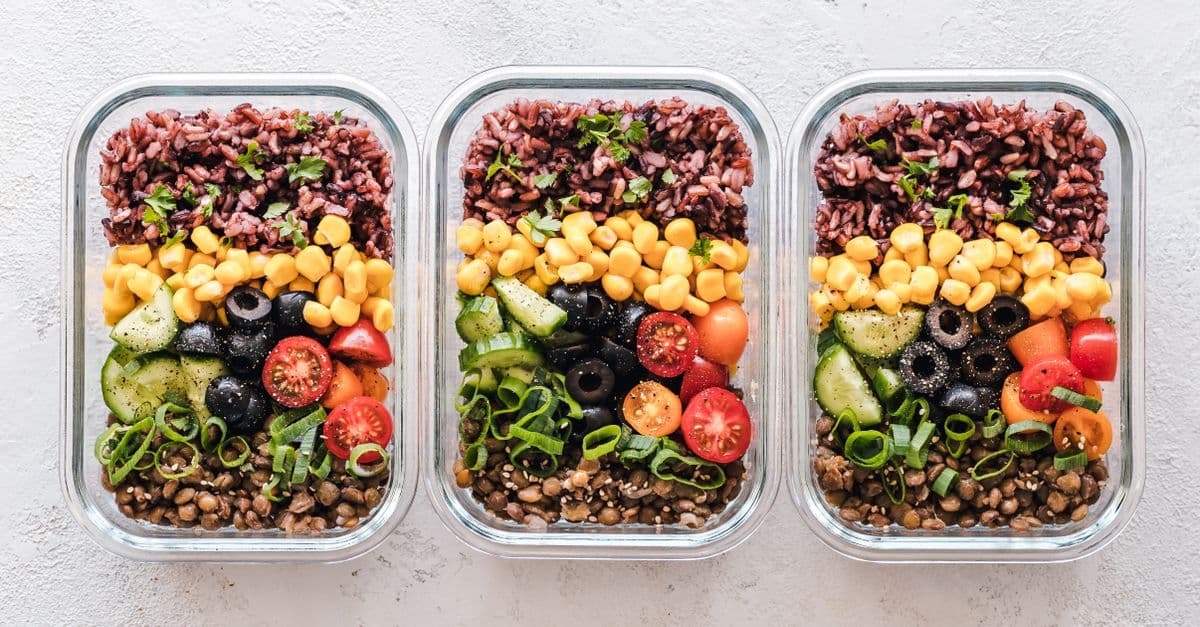
One rule carries the whole plan: protein first, at every meal, until your daily floor is met. That floor is roughly 1.2 to 1.6 g per kilogram of goal body weight (our protein guide has the per-weight math), and the trick on a small appetite is front-loading it, because appetite is usually most cooperative in the morning.
Everything else arranges around that anchor: produce and fiber second, gentle carbs and fats with whatever appetite is left. You are not eliminating food groups; you are ordering them so the most important nutrient lands before you fill up.
A sample day, and how to adapt it
The table above is a shape, not a menu. Read it as: bank protein early, build protein-plus-produce meals through the day, keep the evening small and gentle, and let a snack or shake close any protein gap. Then map your own foods onto it.
Adaptation is the point. Love Mexican food? Protein-first becomes carnitas or beans before the rice and chips. Indian? Dal and paneer before the naan. Whatever your cuisine, the framework survives translation, which is why it beats a rigid meal plan you will abandon by week two.
Preparation: why how you cook matters
On a slowed stomach, preparation is as important as the ingredient. Fried, heavy-fat, and oversized versions of the same meal sit for hours and trigger nausea and reflux; grilled, baked, steamed, and soup versions of identical foods go down comfortably. Our what-to-eat and foods-to-avoid pieces cover the mechanics.
Practical version: keep the fat moderate, the portions small, the pace slow, and the first days after each dose the gentlest. The food does not have to change; the cooking method often does.
Fluids and fiber, the supporting cast
Two habits keep the plan running smoothly. Fluids: 2 to 3 liters a day, because thirst quiets on a GLP-1 and dehydration masquerades as fatigue and headaches (the water guide has targets). Fiber: built up gradually toward 25 to 35 g, with water behind it, because it manages the constipation that a slowed gut invites.
Neither is glamorous, and both are the difference between a plan that feels sustainable and one that leaves you constipated, drained, and blaming the medication.
When eating structure needs a clinician
Most eating challenges on a GLP-1 are structure problems this framework solves. A few are not, and deserve professional input rather than another tweak, listed below.
Involve a clinician or dietitian if
- Intake has collapsed so low that days barely reach a few hundred calories
- You cannot hit a protein floor despite trying, or are losing strength fast
- New or worsening disordered-eating thoughts around the appetite change
- Persistent vomiting or inability to keep food down (a medical issue, not a diet one)
- Kidney disease or other conditions that change safe protein targets
- Nutrient-deficiency signs: heavy hair shedding, deep fatigue, tingling (check labs)
FAQ
Frequently asked questions
What should a GLP-1 diet plan look like?
A protein-first structure, not a restriction list: bank 25 to 35 g of protein early, build protein-plus-produce meals through the day, keep the evening small and gentle, add a snack or shake to close the protein gap, and drink 2 to 3 liters of fluid. Adapt it to whatever cuisine you already eat.
How much should I eat on a GLP-1?
Enough to hit your protein floor (roughly 1.2 to 1.6 g per kg of goal weight) and meet basic nutrition, even when appetite is low. The risk on a GLP-1 is under-eating, not over-eating; the medication manages the calorie side.
Is there a specific GLP-1 meal plan to follow?
No official one, and rigid plans mostly get abandoned. The durable approach is a framework (protein first, gentle preparation, small portions, steady fluids) applied to your own food, so it survives real life and travel.
What foods should I prioritize on a GLP-1?
Protein-dense, gently prepared foods: eggs, Greek yogurt, cottage cheese, fish, poultry, tofu, tempeh, plus soft-cooked vegetables and modest steady carbs. Liquid protein (shakes, high-protein milk) covers low-appetite days.
Track your GLP-1 journey on one quiet line.
Log your shot, injection site, meals, and side-effect severity together, and walk into your next appointment with a week-by-week picture instead of a guess.
Sources
- 1.Clinical nutrition guidance on protein intake during active weight loss (1.2 to 1.6 g/kg range). Find on PubMed ↗
- 2.GLP-1 prescribing information on delayed gastric emptying and dietary tolerance. View label on DailyMed ↗
- 3.Dietetic guidance on fiber, hydration, and meal structure for reduced-appetite states. Find on PubMed ↗
This guide is for general education and is not medical advice. It doesn't account for your personal medical history, other medications, or your individual situation, and it doesn't replace a conversation with your doctor or pharmacist. Do not start, stop, or change the dose of GLP-1 or any medication based on what you read here. If you think you have a medical emergency, call your local emergency number. DoseLog is a tracking app; drug and company names are used factually under nominative fair use, and DoseLog is not affiliated with, endorsed by, or sponsored by any manufacturer mentioned.