Zepbound vs Mounjaro Guide
Zepbound vs Mounjaro: the same drug, two labels
Tirzepatide
the drug in both
2.5 to 15 mg
identical dose ladder
Weight vs T2D
what each is approved for
Like Ozempic and Wegovy on the semaglutide side, Zepbound and Mounjaro are the same medicine wearing two names. Both are tirzepatide from Eli Lilly, the once-weekly GLP-1/GIP dual agonist, and both run the identical 2.5 to 15 mg dose ladder. The split is regulatory: Mounjaro is approved for type 2 diabetes, Zepbound for obesity and, more recently, obstructive sleep apnea with obesity. So the real choice is not about which molecule works better, because it is the same molecule, but about which label fits your diagnosis and, above all, which one your insurance will actually pay for.


Medically reviewed by Miyuki Abe, Pharmacist · July 26, 2026
Highlights
Key takeaways
- 01
Zepbound and Mounjaro are both tirzepatide from Eli Lilly: same molecule, same GLP-1/GIP mechanism, same side-effect profile.
- 02
They share the identical dose ladder: 2.5, 5, 7.5, 10, 12.5, and 15 mg once weekly.
- 03
Mounjaro is approved for type 2 diabetes; Zepbound is approved for chronic weight management and for obstructive sleep apnea with obesity.
- 04
Because it is one drug at the same doses, the weight and appetite effects are the same; the label is the difference.
- 05
Coverage usually decides: Mounjaro is covered for diabetes, Zepbound for obesity, and each is often denied for the other use.
- 06
Using Mounjaro off-label for weight is common, but it is a coverage-and-diagnosis question, not a stronger-drug question.
Zepbound vs Mounjaro at a glance
| Dimension | Mounjaro | Zepbound |
|---|---|---|
| Active drug | Tirzepatide | Tirzepatide (identical) |
| Maker | Eli Lilly | Eli Lilly |
| FDA-approved for | Type 2 diabetes | Obesity; sleep apnea with obesity |
| Dose ladder | 2.5 to 15 mg weekly | 2.5 to 15 mg weekly (same) |
| Mechanism | GLP-1 + GIP dual agonist | GLP-1 + GIP dual agonist |
| Usual coverage | Covered for diabetes | Covered for obesity (often limited) |
| Side effects | GI-led, same list | GI-led, same list |
Both are once-weekly tirzepatide from the same manufacturer at the same doses. Figures are educational, from prescribing information, not predictions. Diagnosis and coverage usually decide before anything else does.
Are they the same drug?
Yes. Both Zepbound and Mounjaro are tirzepatide, a once-weekly injection from Eli Lilly that activates two gut-hormone receptors, GLP-1 and GIP. In the pen and in your body it is the same medicine working the same way: slowing gastric emptying and lowering appetite, with the added GIP signal that gives tirzepatide its large average effect.
Lilly sells it under two names because United States approvals are use-specific. Mounjaro was cleared first for type 2 diabetes; Zepbound followed for obesity and then for obstructive sleep apnea in adults with obesity. Same molecule, two front doors.
What actually differs
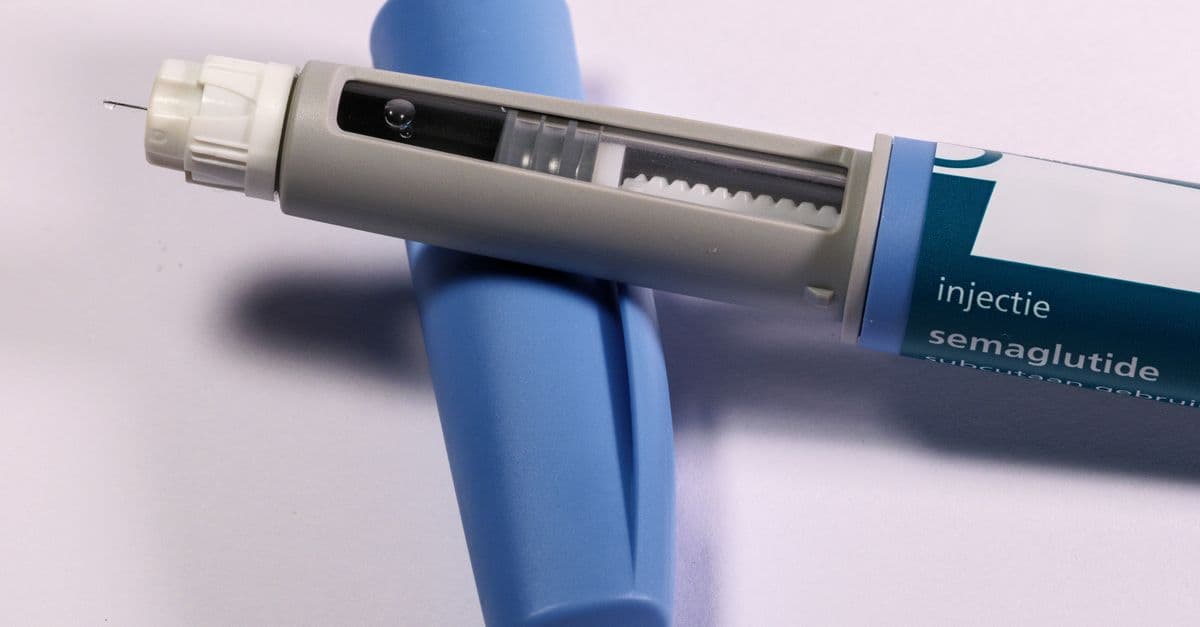
Two things, and neither is the drug. The approved use: Mounjaro for diabetes, Zepbound for weight and for sleep apnea with obesity. And the packaging that follows each label. The dose ladder is identical, 2.5 mg up to 15 mg once weekly, in the same 2.5 mg steps; our posts on the Zepbound dosage levels and the Mounjaro dose chart walk through each.
Everything patients treat as a deep difference, how it feels, appetite, the side effects, is the same because it is the same medicine. The gap is regulatory and commercial, not pharmacological.
Which loses more weight?
At the same dose, neither, because it is the same drug. Zepbound's obesity trials (SURMOUNT-1) reported average weight loss up to roughly 20 to 21% at the higher doses, and a person on Mounjaro at the same milligrams is taking the identical medicine and can expect a comparable effect.
So the honest framing is which dose you reach and can tolerate, not which brand. A person on Zepbound 15 mg and a person on Mounjaro 15 mg are on the same amount of the same drug.
Coverage: the real decider
This is where the two names matter. Insurers cover Mounjaro for type 2 diabetes and Zepbound for obesity, and routinely deny each for the other purpose. Diabetes usually points to Mounjaro as the covered path; treating weight without diabetes points to Zepbound, though obesity coverage is often patchy.
That is why so many people end up on Mounjaro off-label for weight: not because it is different or stronger, but because it can be the one their plan will pay for. Without coverage, both are expensive, since it is the same costly molecule.
Cautions shared by both
Because it is one drug, the warnings are identical: severe persistent abdominal pain (pancreatitis territory), right-sided pain after fatty meals (gallbladder), vomiting past 24 hours (dehydration), low blood sugar when combined with insulin or a sulfonylurea, and the thyroid C-cell exclusion for a personal or family history of medullary thyroid cancer or MEN2. Tirzepatide can also reduce the effectiveness of oral birth control, so a backup method is advised around dose changes. Both are stopped before a planned pregnancy.
Our Zepbound and Mounjaro side-effect guides carry the full numbers, which apply equally whichever name is on your pen.
Same-day clinician territory on either name
- Severe stomach pain that persists, especially radiating to the back
- Vomiting lasting over 24 hours, or fluids not staying down
- Yellowing of the skin or eyes
- Sharp right-sided pain after fatty meals, or pain with fever
- Signs of dehydration: minimal urine, dizziness, racing heart
- Shakiness, sweating, or confusion alongside insulin or a sulfonylurea
How to choose, and how switching works
Start from your diagnosis and coverage, because those decide most cases. Diabetes usually means Mounjaro; weight management without diabetes means Zepbound where it is covered, with sleep apnea now a second on-label route for Zepbound. Your prescriber weighs your history against the labels.
Switching between them is routine, since it is the same drug at the same doses; a shortage or coverage change is the usual reason. Your logged dose and weight trend keep that transition clean rather than a guess.
FAQ
Frequently asked questions
Is Zepbound the same as Mounjaro?
Yes. Both are tirzepatide from Eli Lilly, a once-weekly injection, on the identical 2.5 to 15 mg dose ladder. Mounjaro is approved for type 2 diabetes; Zepbound for obesity and for sleep apnea with obesity. Same molecule, same mechanism, same side effects.
Which is better for weight loss, Zepbound or Mounjaro?
Because it is the same drug at the same doses, the weight effect is the same at matching milligrams. Zepbound is simply the version approved and studied for obesity. Coverage and diagnosis usually decide which you can actually get.
Why do people take Mounjaro for weight loss instead of Zepbound?
Usually coverage: insurance may pay for Mounjaro (for diabetes) when it will not pay for Zepbound (for obesity). It is the same tirzepatide, so the effect is comparable at comparable doses.
Can I switch between Mounjaro and Zepbound?
Yes, it is routine, since it is the same medicine at the same doses. Your prescriber matches the dose across the switch. Bring your dose and weight-trend records so it stays evidence-based.
Track your GLP-1 journey on one quiet line.
Log your shot, injection site, meals, and side-effect severity together, and walk into your next appointment with a week-by-week picture instead of a guess.
Sources
- 1.Jastreboff AM et al. Tirzepatide Once Weekly for the Treatment of Obesity. SURMOUNT-1. NEJM 2022. Read on NEJM ↗
- 2.Malhotra A et al. Tirzepatide for the Treatment of Obstructive Sleep Apnea and Obesity. SURMOUNT-OSA. NEJM 2024. Find on PubMed ↗
- 3.Mounjaro (tirzepatide) prescribing information: indications, dosing, adverse reactions, warnings. View label on DailyMed ↗
- 4.Zepbound (tirzepatide) prescribing information: obesity and obstructive sleep apnea indications, dosing. View label on DailyMed ↗
This guide is for general education and is not medical advice. It doesn't account for your personal medical history, other medications, or your individual situation, and it doesn't replace a conversation with your doctor or pharmacist. Do not start, stop, or change the dose of GLP-1 or any medication based on what you read here. If you think you have a medical emergency, call your local emergency number. DoseLog is a tracking app; drug and company names are used factually under nominative fair use, and DoseLog is not affiliated with, endorsed by, or sponsored by any manufacturer mentioned.
Keep reading
GLP-1 Comparison Matrix
Every GLP-1 medication compared: the full matrix
Wegovy vs Zepbound Guide
Wegovy vs Zepbound: the head-to-head, honestly read
Ozempic vs Mounjaro Guide
Ozempic vs Mounjaro: the diabetes head-to-head, honestly read
Ozempic vs Wegovy Guide
Ozempic vs Wegovy: the same drug, two labels, one honest answer