Mounjaro Side Effects Guide
Mounjaro side effects: the practical guide for weekly tirzepatide
~12–18%
Nausea (SURPASS)
~12–17%
Diarrhea
~5–10%
Vomiting
Mounjaro is tirzepatide carrying the type 2 diabetes label: same molecule and strengths as Zepbound, typically titrated to lower maintenance doses, which is why its trial numbers look gentler: nausea around 12 to 18%, diarrhea 12 to 17%, vomiting 5 to 10% across the SURPASS program. The side effects are the familiar slowed-stomach list, clustering after dose changes and fading with adaptation. The diabetes context adds one caveat the weight-management guides do not carry as heavily: combined with insulin or a sulfonylurea, low blood sugar is a real and manageable risk that belongs in your plan from day one.

Medically reviewed by Miyuki Abe, Pharmacist · July 26, 2026
Highlights
Key takeaways
- 01
Mounjaro and Zepbound are the same drug, tirzepatide. Mounjaro's gentler trial numbers mostly reflect the diabetes program's doses and population, not a different molecule.
- 02
The common list: nausea (~12 to 18%), diarrhea (~12 to 17%), reduced appetite, vomiting (~5 to 10%), constipation and dyspepsia in the single digits to low teens. Mostly mild to moderate, worst around dose changes.
- 03
On its own, tirzepatide rarely causes hypoglycemia. Paired with insulin or a sulfonylurea, the risk is real: know the symptoms (shakiness, sweating, sudden confusion) and the plan your prescriber sets.
- 04
Effects cluster in the 24 to 72 hours after the weekly shot and settle within 4 to 8 weeks per dose level.
- 05
Blood sugar can improve fast on tirzepatide, so diabetes co-medications often need adjusting early. That is a feature, and a conversation to have proactively.
- 06
Log symptom, severity, glucose surprises, and date next to each shot. Dose and co-medication decisions ride on that record.
Mounjaro side effects: prevalence, onset, duration
| Symptom | Prevalence (SURPASS) | Onset | Peaks | Resolves by | Red flag |
|---|---|---|---|---|---|
| Nausea | ~12–18% | Days 1–3 after a dose | Dose step-ups | Weeks 4–8 per level | Can't keep fluids down |
| Diarrhea | ~12–17% | Days 1–5 | Weeks 1–2 of a new level | Weeks 4–6 | Bloody, or dehydration signs |
| Reduced appetite | ~5–11% | Week 1 | Ongoing | By design | Meals disappearing entirely |
| Vomiting | ~5–10% | Days 1–3 | Dose step-ups | By week 6 | Lasts over 24 hours |
| Constipation / dyspepsia | ~6–9% | Week 1 onward | Weeks 2–6 | Ongoing, manage | Severe pain, distension |
| Hypoglycemia (with insulin/SU) | elevated in combos | Any time | After dose or med changes | With plan adjustments | Confusion, fainting |
Rates drawn from the SURPASS program across doses; they are general educational figures, not predictions. Hypoglycemia risk depends almost entirely on companion medications. Confirm your specifics with your prescriber.
Mounjaro side effects: overview and onset
Mounjaro is tirzepatide, the dual GIP plus GLP-1 agonist, labeled for type 2 diabetes. The side-effect physiology is the class standard: a slowed stomach and quieter appetite, so nausea, diarrhea, vomiting, constipation, and early fatigue lead the list, concentrated in the days after each weekly shot and the weeks after each dose change.
Trial rates run gentler than Zepbound's, mostly because the diabetes program titrated to lower average maintenance doses. Dose for dose, the same molecule behaves the same way.
The blood sugar caveat: hypoglycemia in combinations
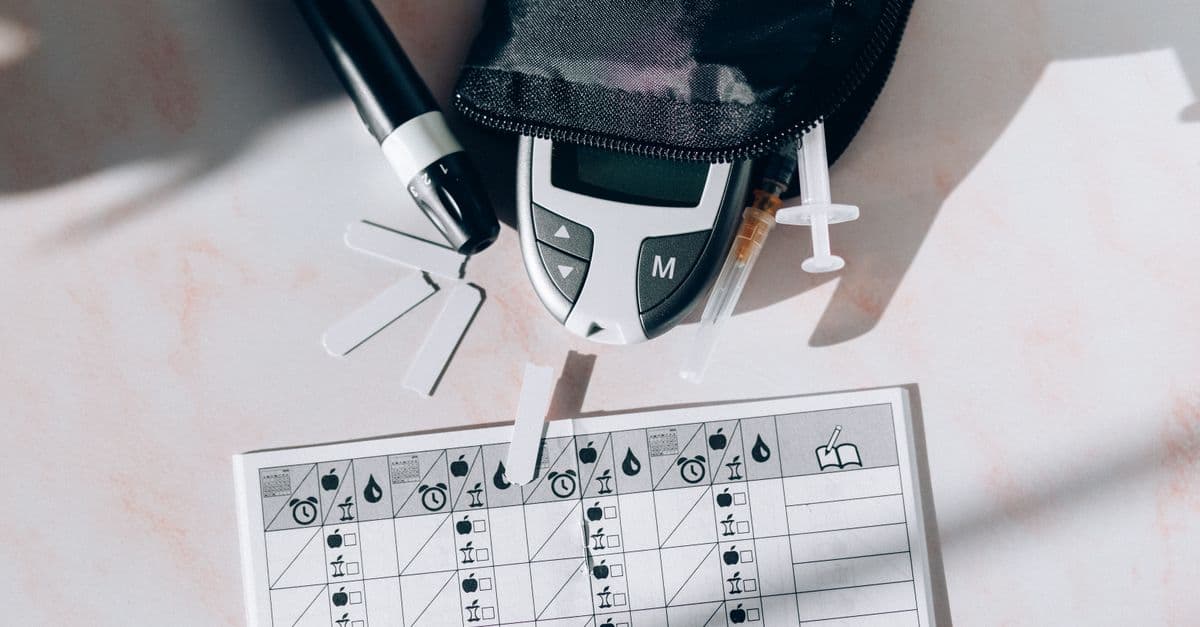
Tirzepatide alone prompts insulin mainly when glucose is elevated, so on its own it rarely drives blood sugar dangerously low. The picture changes with companions: insulin or a sulfonylurea plus tirzepatide can stack into genuine hypoglycemia, particularly as your glucose control improves and the old co-medication doses become too strong.
Practical version: know the symptoms (shakiness, sweating, sudden exhaustion or confusion, a racing heart), keep fast carbs within reach early on, and expect your prescriber to trim companion doses as your numbers improve. Improving control forcing medication reductions is the medication succeeding.
How long do Mounjaro side effects last?
The rhythm is weekly and the windows are the class standard: effects cluster in the 24 to 72 hours after the shot, run loudest in the first weeks of a new dose level, and settle within 4 to 8 weeks as levels plateau. Escalation moves in 2.5 mg steps no sooner than every 4 weeks.
Tirzepatide's half-life is about 5 days: missed doses are buffered (catch up within 4 days per the label; otherwise skip, never double), and nothing changes overnight in either direction.
Which Mounjaro side effects are serious red flags?
The class red flags apply: severe persistent abdominal pain (especially radiating to the back) for pancreatitis, right-sided pain after fatty meals for gallbladder trouble, vomiting past 24 hours for dehydration and kidney strain, and allergic reactions with facial swelling or breathing trouble.
Two diabetes-specific additions: treat suspected hypoglycemia immediately rather than toughing it out, and report sudden vision changes promptly, since rapid glucose improvement can temporarily worsen diabetic retinopathy in some people. The thyroid C-cell warning also applies: not for anyone with personal or family history of medullary thyroid carcinoma or MEN2.
Call your doctor right away if you notice
- Severe stomach pain that won't go away, especially radiating to the back
- Vomiting lasting more than 24 hours, or fluids not staying down
- Shakiness, sweating, or confusion, especially with insulin or a sulfonylurea
- Yellowing of the skin or eyes
- Sharp right-sided pain after fatty meals, or pain with fever
- Very little urine, dizziness, or a racing heart
- Sudden changes in your vision
- A new neck lump, hoarseness, or trouble swallowing
What makes the weeks easier?
The standard playbook, plus the glucose layer:
- Small, slow, protein-first meals; low-fat and bland right after dose days.
- 2 to 3 liters of fluid in small sips across the day.
- Fiber built gradually, with water behind it.
- Fast carbs within reach if you take insulin or a sulfonylurea.
- Log glucose surprises next to dose days; patterns drive co-medication trims.
- Ask about holding an escalation step when a jump stays rough past two weeks.
How does Mounjaro compare with Zepbound and Ozempic?
Mounjaro vs Zepbound: identical molecule and strengths, different labels (diabetes vs weight management). Side effects match dose for dose; the guides differ only in emphasis.
Mounjaro vs Ozempic: different molecules (tirzepatide vs semaglutide) with the same class effect list. In diabetes head-to-head trials, tirzepatide delivered stronger average glucose and weight results with broadly comparable tolerability. Individual fit varies; switching in either direction is routine prescriber territory.
FAQ
Frequently asked questions
What are the most common Mounjaro side effects?
In the SURPASS trials: nausea (~12 to 18%), diarrhea (~12 to 17%), reduced appetite, vomiting (~5 to 10%), plus constipation and dyspepsia in the single digits to low teens. Most were mild to moderate and clustered around dose changes.
Does Mounjaro cause low blood sugar?
Rarely on its own. Combined with insulin or a sulfonylurea, the risk is real and rises as your glucose control improves. Know the symptoms, keep fast carbs handy early on, and expect your prescriber to adjust companion medications.
How long do Mounjaro side effects last?
They cluster in the 24 to 72 hours after the weekly shot and settle within about 4 to 8 weeks at each dose level, with each 2.5 mg step briefly replaying a milder adjustment.
Are Mounjaro and Zepbound side effects different?
No. They are the same molecule at the same strengths under different labels. Trial numbers differ mainly because the diabetes program used lower average maintenance doses than the obesity program.
Track your Mounjaro journey on one quiet line.
Log your shot, injection site, meals, and side-effect severity together, and walk into your next appointment with a week-by-week picture instead of a guess.
Sources
- 1.Mounjaro (tirzepatide) prescribing information: adverse reactions, warnings, and dosage sections. View label on DailyMed ↗
- 2.SURPASS clinical trial program: gastrointestinal adverse events and hypoglycemia reporting across doses. Find on PubMed ↗
- 3.Frías JP et al. Tirzepatide versus Semaglutide Once Weekly in Type 2 Diabetes (SURPASS-2). NEJM 2021. Find on PubMed ↗
- 4.Published reviews of tirzepatide tolerability and combination-therapy hypoglycemia management. Find on PubMed ↗
This guide is for general education and is not medical advice. It doesn't account for your personal medical history, other medications, or your individual situation, and it doesn't replace a conversation with your doctor or pharmacist. Do not start, stop, or change the dose of Mounjaro or any medication based on what you read here. If you think you have a medical emergency, call your local emergency number. DoseLog is a tracking app; drug and company names are used factually under nominative fair use, and DoseLog is not affiliated with, endorsed by, or sponsored by any manufacturer mentioned.
Keep reading
GLP-1 Side Effects Overview
GLP-1 side effects: the complete plain-language overview
Ozempic Side Effects Guide
Ozempic side effects: what to expect on the weekly semaglutide shot
Wegovy Side Effects Guide
Wegovy side effects: what the 2.4 mg dose really brings
Zepbound Side Effects Guide
Zepbound side effects: what to expect on weekly tirzepatide