
Symptoms
GLP-1 and gastroparesis: what the stomach-paralysis concern means
August 12, 2026 · 3 min read
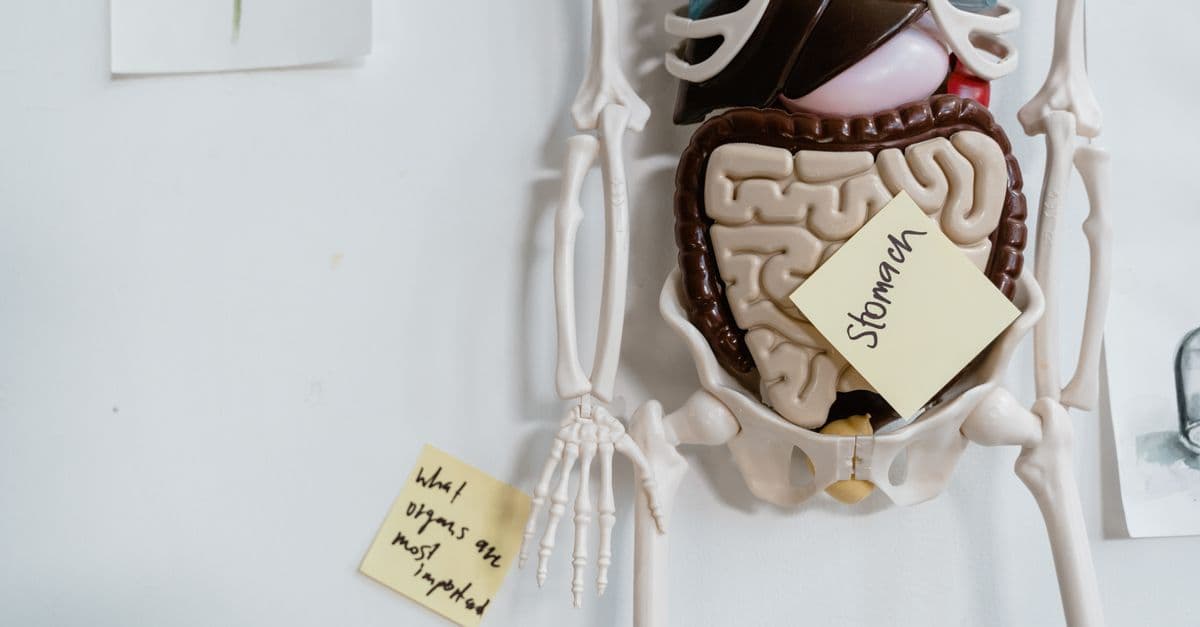
The short answer
GLP-1 medicines like semaglutide and tirzepatide slow how fast the stomach empties as part of how they work, so some slowing is expected and usually reversible. That mechanism is behind the gastroparesis reports and lawsuits, but true, lasting gastroparesis is far less common than ordinary early fullness and nausea.
The symptoms worth taking seriously are severe or persistent vomiting, vomiting food eaten hours earlier, feeling full for hours after small meals, and being unable to keep food down. Slowed emptying also matters before anesthesia, which is why surgical teams now ask about GLP-1 use.
What gastroparesis actually means
Gastroparesis literally describes a partly paralyzed stomach: food sits and moves into the small intestine far more slowly than normal. GLP-1 medicines such as semaglutide (Ozempic, Wegovy) and tirzepatide (Mounjaro, Zepbound) slow gastric emptying as part of how they work, which is why the word has surfaced in news reports and lawsuits. For most people the slowing is mild, expected, and reversible once the medicine is adjusted or stopped. True, lasting gastroparesis is far less common than the headlines suggest. This article is general information and is not a substitute for advice from your own healthcare provider.
Why GLP-1s slow the stomach on purpose
Slower gastric emptying is a feature, not a glitch. When food leaves the stomach gradually, you feel full for longer, tend to eat less, and blood sugar rises more gently after meals. That mechanism sits at the center of both the appetite and glucose effects, and you can read more in our overview of how GLP-1 works. The same slowing explains the common, usually temporary side effects people notice, including early fullness, bloating, and nausea. These tend to be most noticeable in the first weeks or just after a dose increase, then ease as the body adjusts. The slow, stepwise dose increases most people follow exist partly to give the stomach time to settle into this new pace rather than being overwhelmed all at once.
When slowing crosses into a warning sign
Ordinary early fullness and mild nausea are different from symptoms that suggest the stomach is barely emptying at all. Signs worth taking seriously include severe or persistent vomiting, vomiting food that was eaten many hours earlier, feeling uncomfortably full for hours after small meals, being unable to keep food or fluids down, or ongoing upper-abdominal pain. If these appear, it is reasonable to contact your clinician rather than pushing through. They may pause the dose, slow the titration, or look for other causes. Persistent vomiting also risks dehydration, which brings its own complications and is a reason to seek help sooner rather than later. It also helps to note how long a symptom has lasted and whether it is getting worse, since a single rough day is different from a pattern that drags on across meals and multiple days.
Why it matters before anesthesia
Because the stomach empties slowly on these medicines, food or fluid can remain even after the usual fasting window before a procedure. Under sedation or general anesthesia that raises the risk of aspiration, where stomach contents enter the airway. This is why anesthesia guidance now asks about GLP-1 use and why planning ahead matters. Our guide on GLP-1 before surgery covers the common approaches, which may include holding a dose beforehand. Always follow the specific instructions your surgical and anesthesia team give you, since they account for your medicine, dose, and the type of procedure.
Keeping it in proportion
Lawsuits and headlines have made "stomach paralysis" sound routine, but for most people the effect is the intended, temporary slowing rather than a lasting disorder. Tracking your doses, symptoms, and meals over time in DoseLog can help you and your clinician tell normal adjustment apart from a genuine warning pattern. If severe symptoms persist, that is a reason to check in, not to self-diagnose or quietly push on. Please treat everything here as background for a conversation with your own healthcare provider, who should guide any decisions about your treatment.
Questions people ask
Does Ozempic cause stomach paralysis?
Ozempic and other GLP-1 medicines slow gastric emptying on purpose, which can feel like the stomach working more slowly. For most people this is expected and reversible rather than true, lasting gastroparesis. Severe or persistent vomiting and prolonged fullness are reasons to contact your clinician.
Is the slowed emptying from GLP-1 permanent?
Usually not. The slowing is part of how these medicines work and tends to ease as your body adjusts or after the dose is lowered or stopped. Lasting gastroparesis is far less common. Your clinician can help sort out whether symptoms are normal adjustment or something more.
What are the warning signs I should not ignore?
Severe or persistent vomiting, vomiting food eaten many hours earlier, feeling full for hours after small meals, being unable to keep food or fluids down, and ongoing upper-abdominal pain are worth reporting. Persistent vomiting also risks dehydration, so seek advice rather than pushing through.
Why does gastroparesis matter before surgery?
Because the stomach empties slowly, food or fluid can remain even after normal fasting, which raises aspiration risk under anesthesia. Surgical teams now ask about GLP-1 use and may advise holding a dose. Always follow your own surgical and anesthesia team's specific instructions.
References
- 1.Ozempic and Wegovy (semaglutide) prescribing information: dosing, adverse reactions, and warnings. View label on DailyMed ↗
- 2.Mounjaro and Zepbound (tirzepatide) prescribing information: dosing, adverse reactions, and warnings. View label on DailyMed ↗
- 3.Reviews of delayed gastric emptying, gastroparesis reports, and GLP-1 receptor agonists. Find on PubMed ↗
This article is general education, not medical advice. DoseLog is a tracking and reflection tool. Decisions about your medication, dose, and symptoms belong with a licensed clinician.
Keep reading
Symptoms
GLP-1s before surgery: why anesthesia teams ask, and what to do
Symptoms
GLP-1 bloating: why you feel full and puffy, and what helps
Symptoms
GLP-1 constipation: why it happens and what actually moves things
Symptoms
GLP-1 and vision: what to know about eye-related concerns
Symptoms
GLP-1 and swelling: causes of puffiness and edema
Symptoms
GLP-1 and metallic taste: why your mouth tastes off