
Symptoms
GLP-1s before surgery: why anesthesia teams ask, and what to do
July 10, 2026 · 2 min read
The short answer
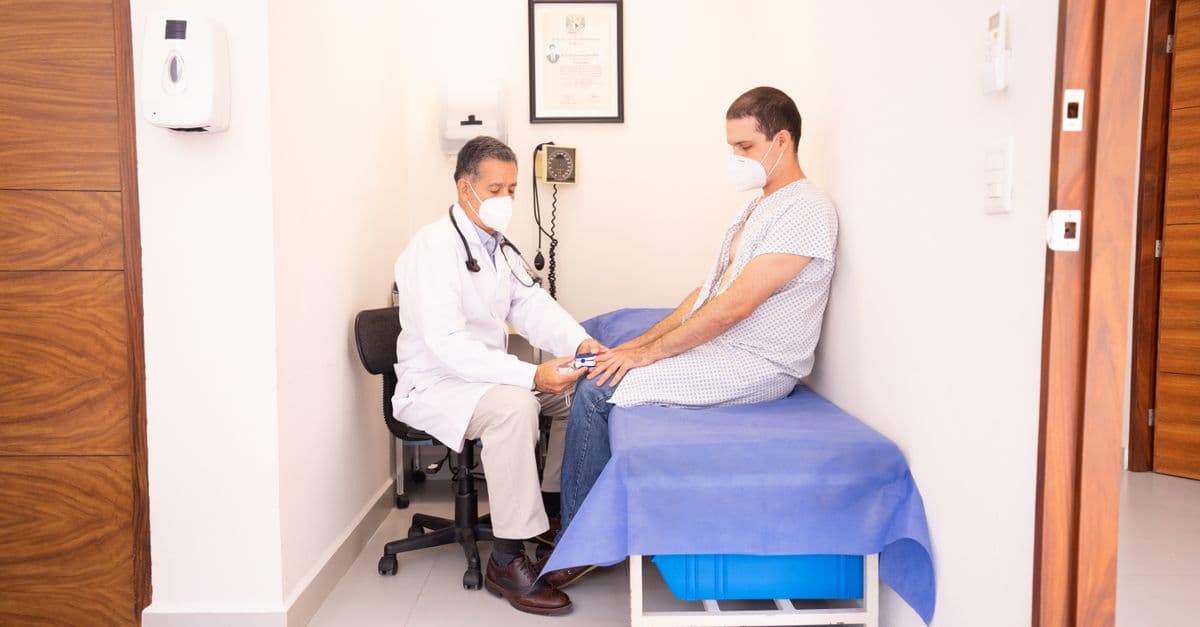
Anesthesia safety leans on an empty stomach, and GLP-1s slow emptying, raising the theoretical risk of regurgitating food into the airway during sedation. That is why every pre-op checklist now asks about them.
Guidance has evolved: early advice held weekly doses for a week before elective procedures; newer multi-society guidance individualizes, often continuing the medication with a day of clear-liquid diet instead. The unchanging rule: tell every proceduralist you take a GLP-1, and follow their instructions, not a blog's.
Why anesthesia cares about your GLP-1
Sedation and general anesthesia suppress the reflexes that keep stomach contents out of your lungs, which is why you fast before procedures. GLP-1s slow gastric emptying, so the standard fasting clock may overstate how empty the stomach actually is. Case reports of retained food despite proper fasting put the issue on anesthesiology's radar, and screening questions followed everywhere.
The absolute risk appears low, and it is exactly the kind of low-probability, high-consequence risk procedural medicine takes seriously. Hence the protocols.
What the guidance actually says now
The first wave of guidance (2023) was simple: hold the day-of dose for daily GLP-1s, hold a week for weeklies before elective procedures. Experience and data since then pushed toward nuance: updated multi-society guidance (2024 onward) moved away from blanket holds, favoring individualized plans that often continue the medication and manage the stomach instead, commonly with a clear-liquid-only diet for the 24 hours before, and point-of-care gastric ultrasound where teams want certainty. Escalation phases and strong GI symptoms push plans toward more caution; stable maintenance dosing with no symptoms pushes toward less.
Translation: there is no single rule anymore, and that is fine, because the decision was never yours to optimize. It belongs to the anesthesia and procedure team, applied to your case.
Your actual checklist
- Disclose early, every time: surgeon, anesthesiologist, endoscopist, dentist doing sedation, all of them, at scheduling rather than in pre-op. GLP-1s do not always appear in medication reconciliations if you got them via telehealth; volunteer it.
- Bring the specifics: which medication, dose, your dose day, and where you are in titration. A dose log answers this in one glance.
- Follow their instructions exactly: whether that is holding a dose, a clear-liquid day, or standard fasting. If instructions seem to conflict between teams, ask them to reconcile rather than choosing yourself.
- Flag active symptoms: current nausea, vomiting, or feeling full quickly are exactly what the team wants to know the week of.
- Plan the restart: ask when to resume dosing after the procedure, especially if a hold interrupts your schedule (the missed dose post covers the pharmacology of gaps).
Emergency procedures
No planning applies when surgery cannot wait: anesthesia teams handle full-stomach situations routinely with techniques built for exactly that (rapid sequence induction among them). Your contribution is the same disclosure, faster: the medication, the dose, and when you last took it. A dose log in DoseLog means that answer is accurate even when you are stressed, which is precisely when memory is not.
Questions people ask
Do I need to stop my GLP-1 before surgery?
Maybe, maybe not: early guidance held weeklies for a week before elective procedures; newer multi-society guidance often continues the medication with a clear-liquid day before instead, individualized by your case. The decision belongs to your anesthesia and procedure team; your job is early disclosure.
Why does anesthesia ask about Ozempic and similar drugs?
Anesthesia safety assumes an empty stomach, and GLP-1s slow emptying, raising the risk that food remains despite standard fasting. Teams screen so they can adjust fasting, diet, technique, or timing accordingly.
What about colonoscopies and endoscopies on a GLP-1?
Same conversation: sedation plus a possibly-slower stomach. Disclose at scheduling; teams commonly use extended clear-liquid prep or adjusted instructions. For colonoscopy, the prep itself often satisfies the empty-stomach concern, but follow your center's specific protocol.
When do I restart my GLP-1 after a procedure?
Ask the team before you leave: typically once you are eating normally again, on your regular schedule, with the usual catch-up rules if a dose was held. Confirm rather than assume, especially after abdominal procedures.
References
- 1.American Society of Anesthesiologists guidance on GLP-1 receptor agonists and perioperative aspiration risk. Find on PubMed ↗
- 2.Ozempic and Wegovy (semaglutide) prescribing information: dosing, adverse reactions, and warnings. View label on DailyMed ↗
- 3.Delayed gastric emptying and anesthesia reviews. Find on PubMed ↗
This article is general education, not medical advice. DoseLog is a tracking and reflection tool. Decisions about your medication, dose, and symptoms belong with a licensed clinician.
Keep reading
GLP-1 Basics
Missed a GLP-1 dose? Here's how the catch-up rules work
GLP-1 Basics
How long does a GLP-1 stay in your system?
Symptoms
GLP-1s and acid reflux: why heartburn flares and what helps
Symptoms
Injection site pain on a GLP-1: normal, fixable, or a flag?
Symptoms
Dizziness on a GLP-1: the four culprits and the medication nobody rechecks
Symptoms
Can GLP-1s cause headaches? The usual culprits and fixes