
GLP-1 Food Guide
What to eat on a GLP-1: foods that sit well and pull their weight
Protein
first on every plate
Low-fat
while the stomach is touchy
Small
portions, eaten unhurried
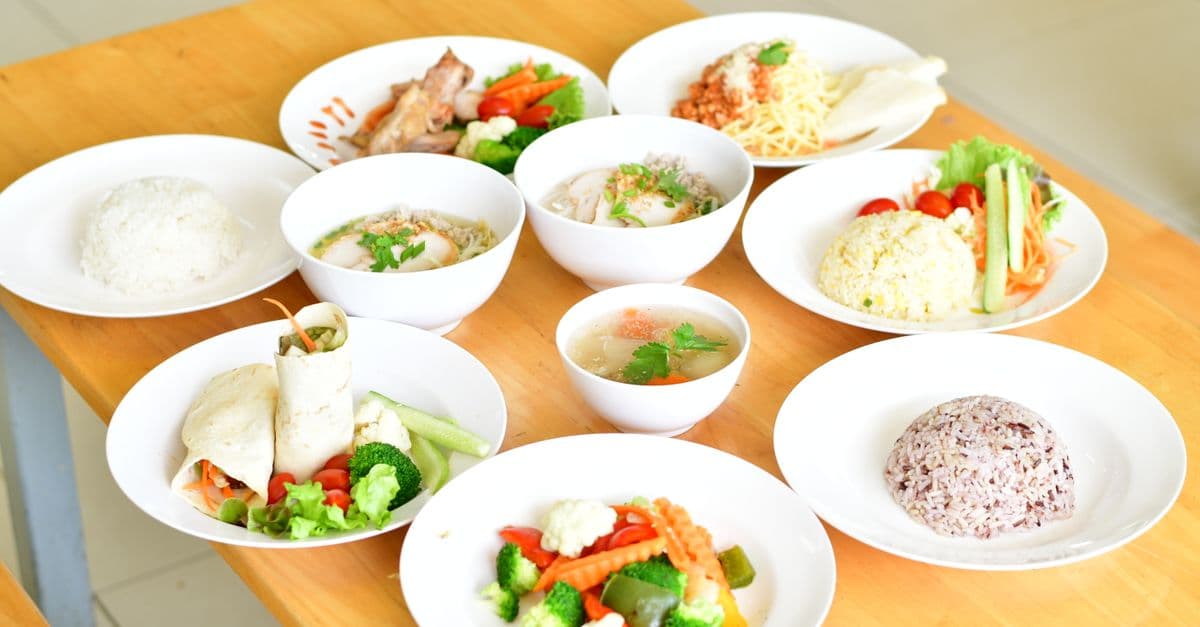
GLP-1s slow gastric emptying, so what you eat decides how you feel for hours. The pattern that works is structural rather than a diet: protein-dense and gentle (lean meats, fish, eggs, yogurt, tofu), soft-cooked vegetables, modest steady carbs, and enough fluid, in small unhurried portions. The common backfires are just as predictable: fried and heavy-fat meals that linger in a slow stomach, big portions eaten fast, very sugary hits, and alcohol in old quantities.

Medically reviewed by Miyuki Abe, Pharmacist · July 26, 2026
Highlights
Key takeaways
- 01
Much of what people call GLP-1 nausea is really the old menu meeting the new stomach. Heavy, greasy, or oversized meals stay put and complain.
- 02
When appetite is small, each bite carries more responsibility. A half-size portion of low-protein food creates the quiet protein deficit that costs muscle over months.
- 03
The plate order that works: protein first until that is handled, produce or fiber second, everything else with what is left.
- 04
Fat is the slowest thing to leave an already slow stomach. Fried and high-fat meals are the most commonly reported trigger for post-meal misery.
- 05
Fullness signals arrive earlier but you can still outrun them in ten distracted minutes. Small plate, slow pace, stop at pleasantly done.
- 06
Individual variation is huge. The only reliable way to find your trigger foods is to log meals and how you felt after, on the same timeline as your dose days.
Common backfires and gentler swaps
| Backfire | Why it goes wrong | Gentler swap |
|---|---|---|
| Fried or very greasy meals | Fat empties slowest from a slowed stomach | Grilled, baked, or air-fried versions |
| Big portions, eaten fast | Outruns the earlier fullness signal | Half portion, slow pace, seconds only if wanted |
| Sugary hits on an empty stomach | Reported nausea and energy swings | Fruit with yogurt or a protein anchor |
| Alcohol in old quantities | Hits harder on less food and a slower gut | Smaller amounts, with food, and log it |
| Aggressive carbonation on dose days | Extra gas in an already full-feeling stomach | Still water or light fizz, small sips |
| Giant raw salads early on | Bulky and slow while the gut adjusts | Soft-cooked vegetables and soups |
These are mechanical predictions about a slowed stomach, not moral rules or banned lists. Test gently and let your own log tell you which apply to you; one person's safe salmon is another's rough evening.
Why does food choice matter more on a GLP-1?
Two reasons. First, comfort: the medication deliberately slows your stomach, so heavy, greasy, or oversized meals stay put and complain. Much of what people call GLP-1 nausea is really the old menu meeting the new stomach.
Second, budget: when appetite is small, each bite carries more responsibility. A half-size portion of low-protein food creates the quiet protein deficit that costs muscle over months.
What foods tend to sit well?
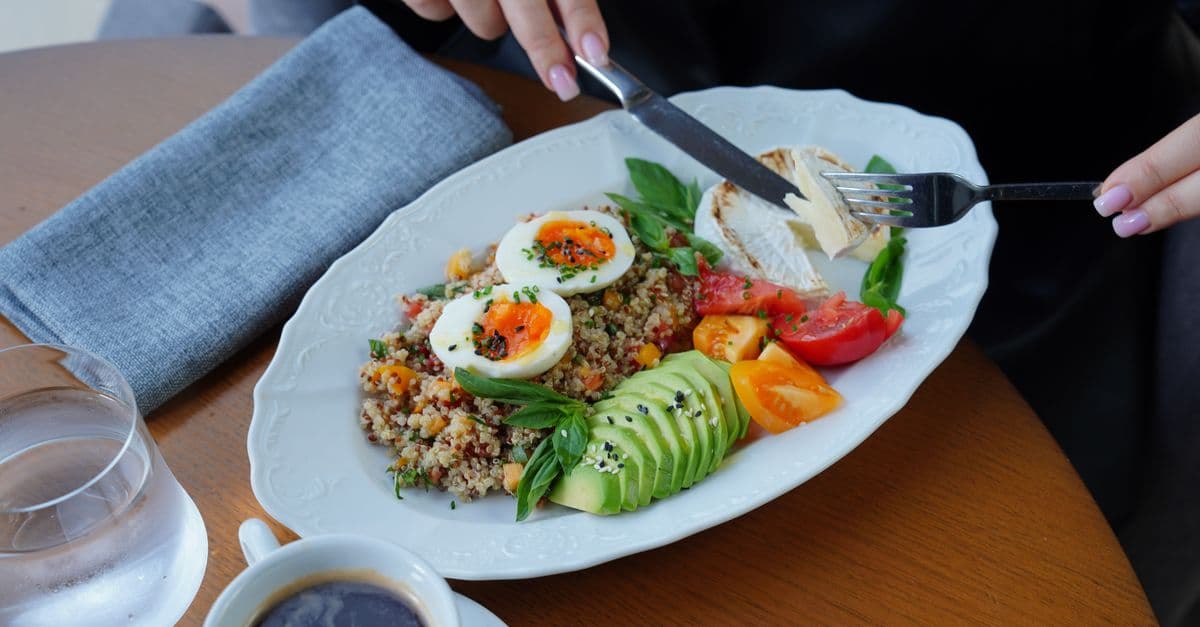
The winning pattern is protein-dense and gentle, prepared simply, in small portions. Liquids with a job (broths, protein shakes, milk) earn their place on days solids will not go down.
- Lean proteins: chicken, turkey, white fish, salmon, eggs, shrimp. The backbone of most plates.
- Dairy that works hard: Greek yogurt, skyr, cottage cheese. Protein-dense and easy on rough days.
- Plant proteins: tofu, tempeh, lentils and beans in moderate portions, built up slowly.
- Soft-cooked vegetables: roasted, steamed, or souped, often friendlier than big raw salads at first.
- Slow, steady carbs: oats, rice, potatoes in modest amounts. Easy fuel that rarely picks fights.
- Fluids with a job: broth, shakes, milk. Nutrition that goes down on the hard days.
How do you build a plate when appetite is tiny?
Order of operations: protein first, until that is handled. Produce or fiber second. Everything else with what is left. On a ten-bite day, that ordering is the difference between a day that added up and one that did not.
Batch-cooking a few defaults (a soup, a protein you like cold, hard-boiled eggs) removes the decision on days when deciding feels like work.
How do you find your trigger foods?
Individual variation is huge. The only reliable method is the boring one: log meals and log how you felt after, on the same timeline as your dose days.
After a few weeks in DoseLog, a vague sense that fried food bothers you becomes a specific fact: fried food within two days of a dose bothers you, every time. That is knowledge you can actually use.
When does eating trouble need a clinician?
Food discomfort that responds to gentler choices is adjustment. A short list of symptoms is different and deserves prompt medical attention rather than another menu tweak.
Call your clinician if you notice
- Vomiting after most meals, or vomiting lasting over 24 hours
- Severe stomach pain, especially radiating to the back
- Sharp right-sided pain after fatty meals
- Signs of dehydration: minimal urine, dizziness, racing heart
- Intake collapsing so low that days barely add up
- Trouble swallowing or food feeling stuck
FAQ
Frequently asked questions
What foods should you avoid on a GLP-1?
The common backfires: fried and high-fat meals (slowest to leave a slowed stomach), oversized portions eaten quickly, very sugary snacks on an empty stomach, and alcohol in pre-medication quantities. Individual triggers vary; a food log identifies yours.
What are the best foods to eat on semaglutide or tirzepatide?
Protein-dense and gentle: lean poultry and fish, eggs, Greek yogurt, cottage cheese, tofu, plus soft-cooked vegetables and modest steady carbs like oats or rice. Protein first is the working rule for small appetites.
Why does greasy food make me feel sick on a GLP-1?
Fat empties from the stomach slowest of all nutrients, and GLP-1s have already slowed emptying. A greasy meal can sit for hours, which reads as nausea, bloating, and reflux.
Do I need to follow a specific diet on a GLP-1?
No official diet exists. The pattern that works is structural: protein first, gentle preparation, small unhurried portions, steady fluids, applied to whatever cuisine you already eat.
Track your GLP-1 journey on one quiet line.
Log your shot, injection site, meals, and side-effect severity together, and walk into your next appointment with a week-by-week picture instead of a guess.
Sources
- 1.GLP-1 receptor agonist prescribing information: delayed gastric emptying and gastrointestinal adverse reactions. View label on DailyMed ↗
- 2.Clinical guidance on dietary management of GLP-1 gastrointestinal side effects. Find on PubMed ↗
- 3.Nutrition literature on protein prioritization during reduced energy intake. Find on PubMed ↗
This guide is for general education and is not medical advice. It doesn't account for your personal medical history, other medications, or your individual situation, and it doesn't replace a conversation with your doctor or pharmacist. Do not start, stop, or change the dose of GLP-1 or any medication based on what you read here. If you think you have a medical emergency, call your local emergency number. DoseLog is a tracking app; drug and company names are used factually under nominative fair use, and DoseLog is not affiliated with, endorsed by, or sponsored by any manufacturer mentioned.