
Medications
GLP-1 and vaccines: can you get a flu shot?
August 12, 2026 · 3 min read
The short answer
Yes, you can get vaccinated on a GLP-1. There is no known interaction between GLP-1 medications such as semaglutide or tirzepatide and common vaccines, including the annual flu shot and COVID-19 vaccines, so you can keep your usual immunization schedule.
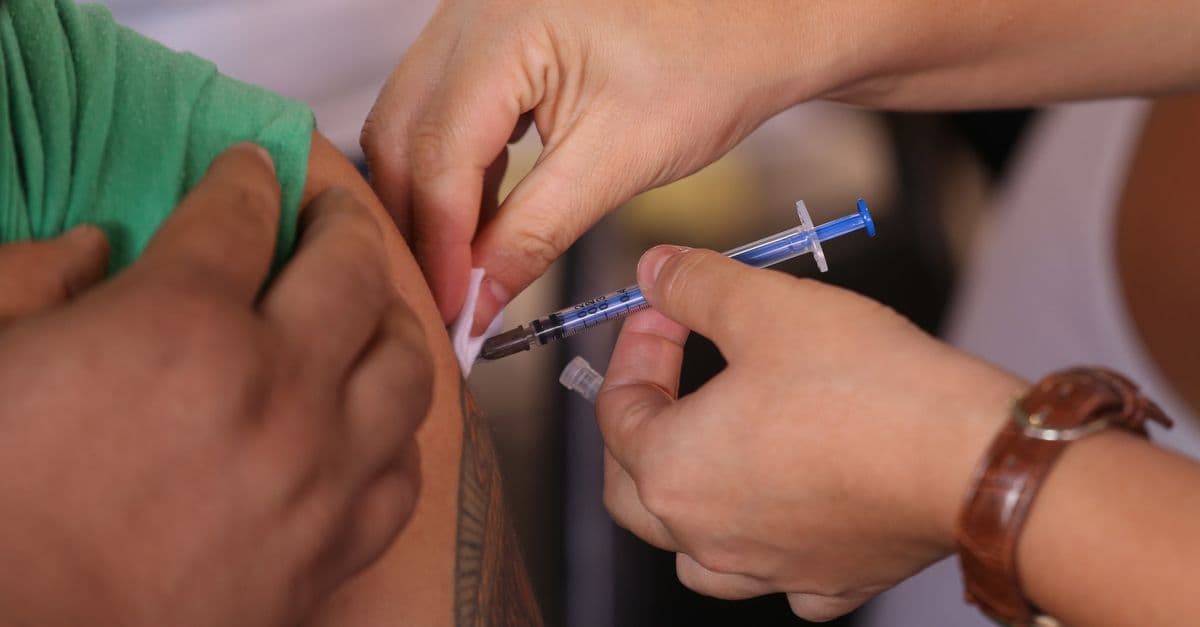
A GLP-1 and a vaccine are both injections but should go in separate sites, not the same spot or syringe. Vaccine side effects like tiredness can overlap with GLP-1 nausea, though vaccine effects usually settle in a day or two.
Can you get vaccinated while on a GLP-1?
Yes. There is no known interaction between GLP-1 medications such as semaglutide or tirzepatide and common vaccines, including the annual flu shot and COVID-19 vaccines. Being on a GLP-1 is not a reason to delay or skip routine immunizations, and you can generally keep your usual vaccination schedule. Vaccines work on your immune system, while GLP-1 medications act on appetite, blood sugar, and stomach emptying, so the two do not compete in any meaningful way. This is general health information, not medical advice; your prescriber and the clinician giving your vaccine can confirm what is right for you.
No known interaction to worry about
GLP-1 receptor agonists are not immunosuppressants and do not blunt the way vaccines build protection. That means a flu shot, a COVID-19 booster, and other standard adult vaccines are expected to work normally while you take one. If you also manage type 2 diabetes, staying current on recommended vaccines is generally encouraged, since good diabetes care includes routine prevention. Illnesses like the flu can also make blood sugar harder to control, which is another reason routine vaccination fits well with ongoing diabetes management. There is no need to pause or lower your GLP-1 dose to receive a vaccine. For a broader look at the safety profile of these drugs, see is Ozempic safe.
Two injections, but not in the same spot
A GLP-1 and a vaccine are both injections, yet they are given differently and should not be combined in the same site or syringe. Most GLP-1 medications are injected into the fat under the skin of the abdomen, thigh, or upper arm, while many vaccines go into the muscle of the upper arm. There is no need to line them up on the same day, and if they do fall on the same day, simply use separate injection sites. Your GLP-1 dosing rhythm does not need to shift around a vaccine appointment. If you happen to inject your weekly GLP-1 on the same day as a flu shot, you can still keep both on their normal timing and simply choose different areas of the body for each.
When side effects and feeling unwell overlap
Vaccines can cause a day or two of a sore arm, tiredness, or feeling under the weather, and GLP-1 medications can cause nausea or stomach upset, especially after a dose increase. Those effects can overlap and be hard to tell apart. If you feel rough after a vaccine, it usually settles within a day or two. If nausea seems tied to your medication instead, our overview of GLP-1 and metformin covers how GI side effects often stack when treatments are combined. Persistent or severe symptoms are always worth a call to your clinician. It can help to note the date of a vaccine and the date of your last dose, so you can see whether a symptom lines up with one, the other, or both.
Keeping your usual schedule
The simple takeaway is that vaccines and GLP-1 medications coexist without a special plan. Keep your normal immunization schedule, get your flu shot when it is offered, and continue your GLP-1 as prescribed. Older adults and those with chronic conditions are often encouraged to stay current on vaccines, and a GLP-1 does not change that guidance. If you are unsure how to time a dose around an appointment, or you have a condition that affects your immune system, ask your prescriber. Logging both your doses and your vaccine dates in DoseLog gives you a tidy record to share at future visits.

Questions people ask
Can you get a flu shot while taking Ozempic or another GLP-1?
Yes. There is no known interaction between GLP-1 medications and the flu vaccine, so you can keep your usual schedule. The two act on different systems. If you have questions about timing, ask the clinician giving the vaccine or your prescriber.
Is the COVID-19 vaccine safe with semaglutide?
There is no known interaction between COVID-19 vaccines and semaglutide or other GLP-1 medications. GLP-1 drugs are not immunosuppressants and are not expected to reduce how well the vaccine works. Keep your recommended schedule unless your clinician advises otherwise.
Should I inject my GLP-1 and a vaccine in the same place?
No. Keep them in separate sites. GLP-1 medications go under the skin of the abdomen, thigh, or arm, while many vaccines go into the arm muscle. They should not share a site or syringe, but they can be given on the same day.
Could vaccine side effects be confused with GLP-1 side effects?
Yes. Both can cause tiredness or feeling under the weather, and GLP-1 medications can add nausea. Vaccine effects usually fade in a day or two. If symptoms persist or are severe, contact your clinician.
References
- 1.Ozempic and Wegovy (semaglutide) prescribing information: dosing, adverse reactions, and warnings. View label on DailyMed ↗
- 2.Reviews of vaccine administration alongside chronic medications. Find on PubMed ↗
- 3.GLP-1 receptor agonist prescribing information: drug interactions. View label on DailyMed ↗
This article is general education, not medical advice. DoseLog is a tracking and reflection tool. Decisions about your medication, dose, and symptoms belong with a licensed clinician.
Keep reading
Medications
GLP-1 and metformin together: the workhorse combination
Medications
Is Ozempic safe? What years of use and large trials show
GLP-1 Basics
GLP-1 benefits: what these drugs actually do beyond weight loss
Medications
GLP-1 and metabolism: does it speed up or slow down?
Medications
GLP-1 and bone density: does weight loss affect your bones?
Medications
GLP-1 and antidepressants: can you take them together?