
GLP-1 Injection How-To
How to inject a GLP-1: a calm, step-by-step walkthrough
Under a minute
the actual injection
3 areas
abdomen, thigh, upper arm
Rotate
a new spot each dose
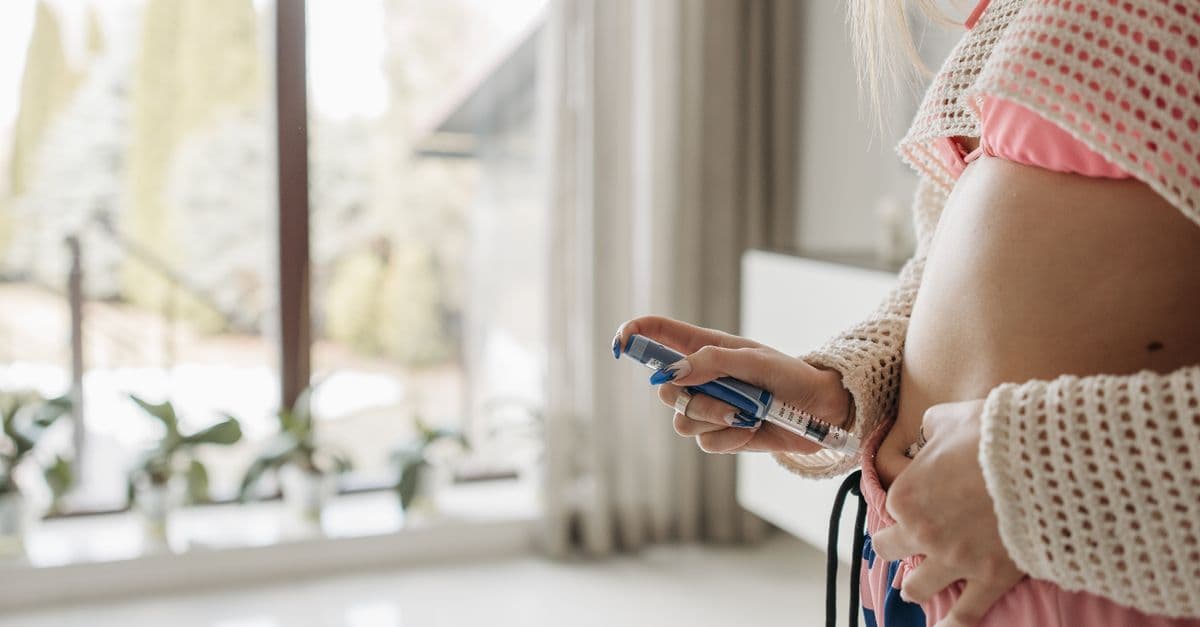
The first injection is the scary one, and it is almost always easier than people expect. Most GLP-1 pens are designed for exactly this: a single-use device you press against the skin and click, with a needle so fine you often barely feel it. This is the general routine that applies across Mounjaro, Zepbound, Wegovy, Ozempic, and Saxenda, but your specific pen's instructions and your pharmacist's demonstration always come first, because the pens differ in small ways. Nothing here replaces the leaflet in your box.

Medically reviewed by Miyuki Abe, Pharmacist · July 26, 2026
Highlights
Key takeaways
- 01
Most GLP-1 pens are single-use auto-injectors: you position, press, and hold, and the pen does the rest.
- 02
The three approved injection areas are the abdomen (avoiding right around the navel), the front of the thigh, and the back of the upper arm.
- 03
Rotate to a new spot each dose to protect the skin and keep absorption even.
- 04
Let a refrigerated pen sit for a few minutes to reach room temperature, which can make the injection sting less.
- 05
Hold the pen in place for the full count after it clicks, so the whole dose goes in.
- 06
Dispose of used pens in a sharps container, never the household trash, and always follow your specific pen's leaflet.
The injection, step by step
| Step | What to do |
|---|---|
| 1. Prepare | Wash hands; take the pen out to reach room temperature; check the liquid is clear |
| 2. Pick a spot | Abdomen, thigh, or upper arm; a fresh site from last time; clean if needed |
| 3. Position | Press the pen flat against the skin, following your pen's unlock or cap step |
| 4. Inject | Press the button (or the pen); hold firmly in place |
| 5. Hold | Keep it pressed for the full count (often about 10 seconds) until fully delivered |
| 6. Finish | Lift straight out; dispose in a sharps container; log the dose |
Pens differ in details (some auto-start on pressing, some have a button). Your specific pen's instructions and your pharmacist's demonstration override this general outline.
Before you start
Wash your hands. Take the pen out of the fridge a few minutes early so it warms toward room temperature, which many people find makes the injection sting less. Check that the liquid looks clear and colorless (do not use a pen that is cloudy, discolored, or has particles), and confirm it is within its allowed storage window.
Have a sharps container within reach. If it helps your nerves, sit somewhere comfortable; there is no rush, and the actual injection takes seconds.
Where to inject
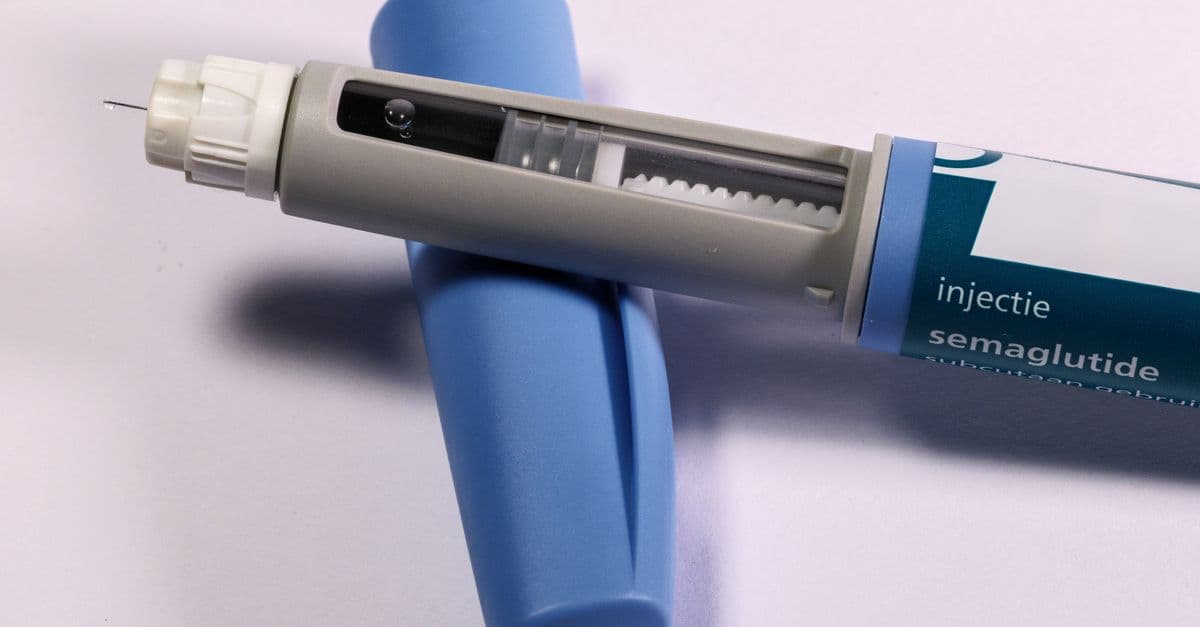
There are three approved areas: the abdomen (staying a couple of inches away from the navel), the front of the thigh, and the back of the upper arm (easiest with help). All deliver the medication into the fat just under the skin, which is what these pens are designed for.
Rotate to a different spot each week to avoid irritating one patch of skin and to keep absorption even. Our injection-site guide covers rotation and site selection in more depth.
The injection itself
Follow your pen's uncap or unlock step, then press it flat against the skin at the site you chose. Depending on the pen, it will either start automatically when pressed or when you push a button. You will usually hear a first click as it starts.
Keep the pen pressed firmly in place until it finishes, often a count of about ten seconds and a second click, so the entire dose is delivered rather than cut short. Then lift it straight out. That is the whole thing.
After: disposal and comfort
Put the used pen straight into a sharps container; never the regular trash, and never recap a needle. A small bead of blood or mild soreness at the site is normal and fades quickly; a cold compress helps if it stings. Our injection-site pain post covers reducing that.
Log the dose, the date, and which site you used. That record is what keeps your rotation on track and gives your prescriber a clear picture at each visit.
When something is not right
If a pen looks damaged, has been frozen or overheated, or the liquid is not clear, do not use it and ask your pharmacist for a replacement. If you are not sure a full dose went in, do not simply inject again; contact your prescriber or pharmacist for guidance on that specific situation.
A large, spreading, hot, or very painful reaction at the site, or any signs of a serious allergic reaction (trouble breathing, swelling of the face or throat), is a medical emergency, not an injection-technique issue.
Stop and ask your pharmacist or clinician if
- The pen is damaged, frozen, overheated, or the liquid is cloudy or discolored
- You are unsure whether the full dose was delivered
- The injection site becomes large, hot, spreading, or very painful
- Signs of a serious allergic reaction: trouble breathing, swelling of the face or throat
- You have repeated bleeding or bruising that concerns you
- You miss doses often enough that your schedule has drifted
Making it routine
Most people go from dreading the injection to barely thinking about it within a few weeks. Picking a consistent day and a calm moment, and keeping your supplies together, turns it into a quick habit rather than an event.
A weekly reminder and a simple log in DoseLog keep the rhythm steady, so you never wonder whether you took this week's dose or which site is next.
FAQ
Frequently asked questions
How do you inject a GLP-1 like Mounjaro or Wegovy?
Wash your hands, let the pen warm for a few minutes, pick a site (abdomen, thigh, or upper arm), press the pen flat against the skin, start it per your pen's instructions, and hold it in place for the full count (often about 10 seconds) until the dose is delivered. Then dispose in a sharps container. Always follow your specific pen's leaflet.
Where is the best place to inject?
The abdomen (a couple of inches from the navel), the front of the thigh, or the back of the upper arm. Rotate to a new spot each dose to protect the skin and keep absorption even.
Does injecting a GLP-1 hurt?
Usually very little. The needles are very fine, and many people barely feel it. Letting a refrigerated pen reach room temperature first and rotating sites both reduce any sting.
What do I do with the used pen?
Put it straight into a sharps container, never the household trash, and never recap the needle. Your pharmacy can advise on sharps disposal in your area.
Track your GLP-1 journey on one quiet line.
Log your shot, injection site, meals, and side-effect severity together, and walk into your next appointment with a week-by-week picture instead of a guess.
Sources
- 1.Mounjaro and Zepbound (tirzepatide) prescribing information: instructions for use and administration. View label on DailyMed ↗
- 2.Ozempic and Wegovy (semaglutide) prescribing information: instructions for use and administration. View label on DailyMed ↗
- 3.Saxenda (liraglutide) prescribing information: instructions for use. View label on DailyMed ↗
- 4.Reviews of subcutaneous injection technique and injection-site rotation. Find on PubMed ↗
This guide is for general education and is not medical advice. It doesn't account for your personal medical history, other medications, or your individual situation, and it doesn't replace a conversation with your doctor or pharmacist. Do not start, stop, or change the dose of GLP-1 or any medication based on what you read here. If you think you have a medical emergency, call your local emergency number. DoseLog is a tracking app; drug and company names are used factually under nominative fair use, and DoseLog is not affiliated with, endorsed by, or sponsored by any manufacturer mentioned.
Keep reading
GLP-1 Maintenance Dose Guide
GLP-1 maintenance dose: how it's set and why it isn't always the max
GLP-1 First Month Guide
Your first month on a GLP-1: what to track from day one
GLP-1 Injection Site Guide
Where to inject a GLP-1: sites, rotation, and why it matters
GLP-1 Side Effects Overview
GLP-1 side effects: the complete plain-language overview