
GLP-1 Basics
Do GLP-1 shots hurt? What the injection actually feels like
July 23, 2026 · 2 min read
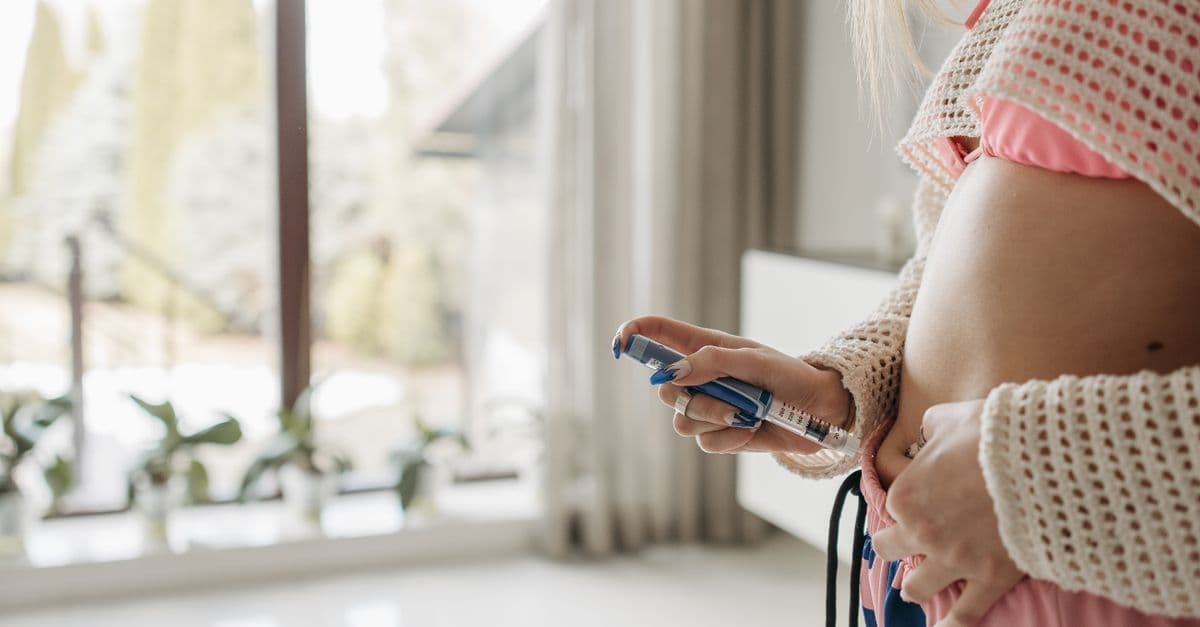
The short answer
GLP-1 injections (Wegovy, Zepbound, Ozempic, Mounjaro, Saxenda) use a very short, thin needle and go into the fat layer just under the skin, not into muscle, so most people feel only a tiny pinch or nothing at all.
Letting the pen reach room temperature, rotating sites, relaxing the area, and injecting steadily make it essentially painless for most. Mild stinging, a small bruise, or brief soreness afterward is normal; sharp or lasting pain is worth checking technique.
Do GLP-1 shots hurt?
For most people, barely or not at all. GLP-1 pens (Wegovy, Zepbound, Ozempic, Mounjaro, Saxenda) use a very short, very thin needle, and the injection goes into the fat layer just under the skin, not into muscle. Subcutaneous fat has relatively few pain nerves, so the typical experience is a tiny pinch or pressure, and many people feel nothing. If you are anxious about needles, that fear is understandable, but the reality is usually much milder than expected.
Why they rarely hurt
- Short, fine needle. These pens are designed for easy self-injection, with needles far smaller than the ones used for blood draws or vaccines.
- Into fat, not muscle. The fat layer is far less sensitive than muscle, which is why an intramuscular vaccine can ache and this usually does not.
- You control it. Injecting at your own pace, relaxed, tends to hurt less than a rushed or tense jab.
How to make it painless
- Let the pen reach room temperature. A cold pen straight from the fridge stings more; a few minutes out makes a real difference.
- Rotate sites. Injecting into a fresh spot each time, rather than the same patch, keeps the skin comfortable. Our injection guides cover a rotation that works.
- Relax the area and do not tense the muscle underneath.
- Steady and smooth. Insert, deliver, and remove in one calm motion; hesitating tends to feel worse.
- Avoid scarred or bruised skin, which is more sensitive and less reliable.
What is normal afterward
A brief sting during the injection, a small bruise, mild redness, or a little soreness at the site afterward is normal and settles within a day or two. Our injection site pain post and injection site reactions post cover this. What is not typical is sharp, lasting, or spreading pain, which usually points to technique (injecting too shallow or deep, or into muscle) or an over-used site, and is worth reviewing. Logging which site you use in DoseLog makes it easy to keep rotating and spot a spot that has become tender.
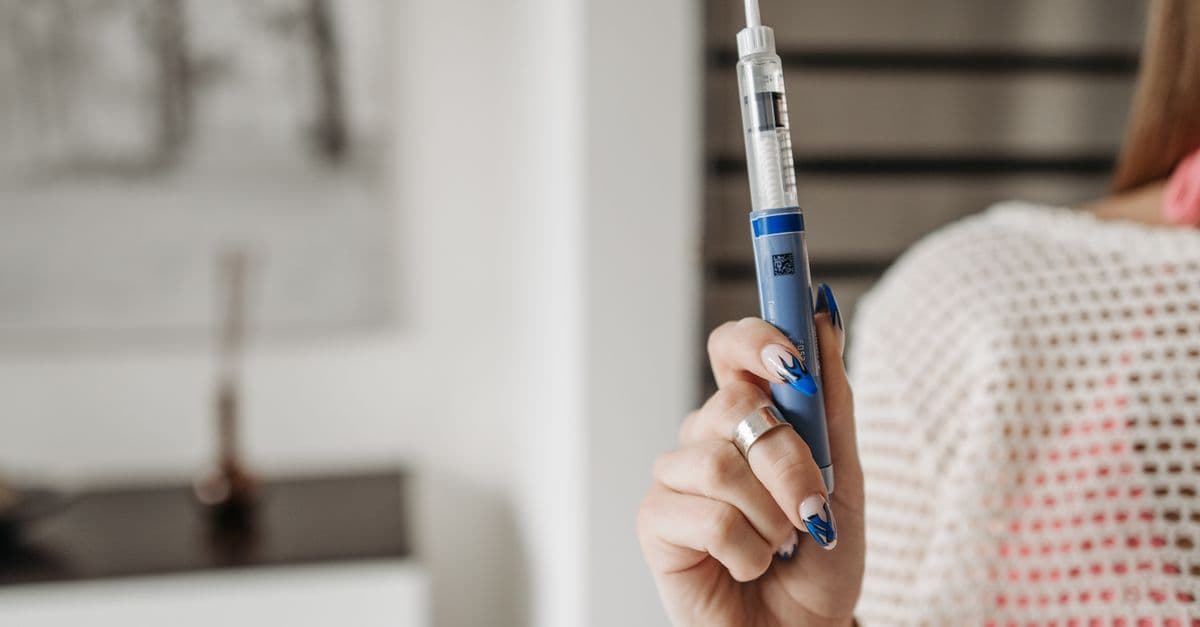
Questions people ask
Do GLP-1 shots hurt?
For most people, barely or not at all. GLP-1 pens use a very short, thin needle into the fat layer under the skin, not muscle, so the typical feeling is a tiny pinch or nothing. Fear of needles is common, but the reality is usually much milder than expected.
Does the Wegovy or Zepbound shot hurt?
Usually very little. Wegovy, Zepbound, and the other GLP-1 pens all use small, fine needles into subcutaneous fat, which has few pain nerves. Letting the pen warm to room temperature and injecting into a relaxed, rotated site make it essentially painless for most people.
How do I make a GLP-1 injection hurt less?
Let the pen reach room temperature first, rotate to a fresh site each time, relax the area, inject in one steady motion, and avoid scarred or bruised skin. These small steps make the injection painless or nearly so for most people.
Is soreness after a GLP-1 injection normal?
Yes. A brief sting, a small bruise, mild redness, or a little soreness at the site that settles within a day or two is normal. Sharp, lasting, or spreading pain is not typical and usually points to injection technique or an over-used site worth reviewing.
References
- 1.Ozempic and Wegovy (semaglutide) prescribing information: dosing, adverse reactions, and warnings. View label on DailyMed ↗
- 2.Mounjaro and Zepbound (tirzepatide) prescribing information: dosing, adverse reactions, and warnings. View label on DailyMed ↗
- 3.Subcutaneous injection technique and comfort reviews. Find on PubMed ↗
This article is general education, not medical advice. DoseLog is a tracking and reflection tool. Decisions about your medication, dose, and symptoms belong with a licensed clinician.
Keep reading
Symptoms
Injection site pain on a GLP-1: normal, fixable, or a flag?
Symptoms
GLP-1 injection site reactions: bumps, redness, itching and rash
GLP-1 Basics
Best time to take a GLP-1: day, timing, and the pill exception
GLP-1 Basics
How does tirzepatide burn fat? What it actually does
GLP-1 Basics
Is GLP-1 the same as Ozempic? Untangling the names
GLP-1 Basics
Do you have to take a GLP-1 forever?