
Symptoms
GLP-1 injection site reactions: bumps, redness, itching and rash
July 15, 2026 · 3 min read
The short answer
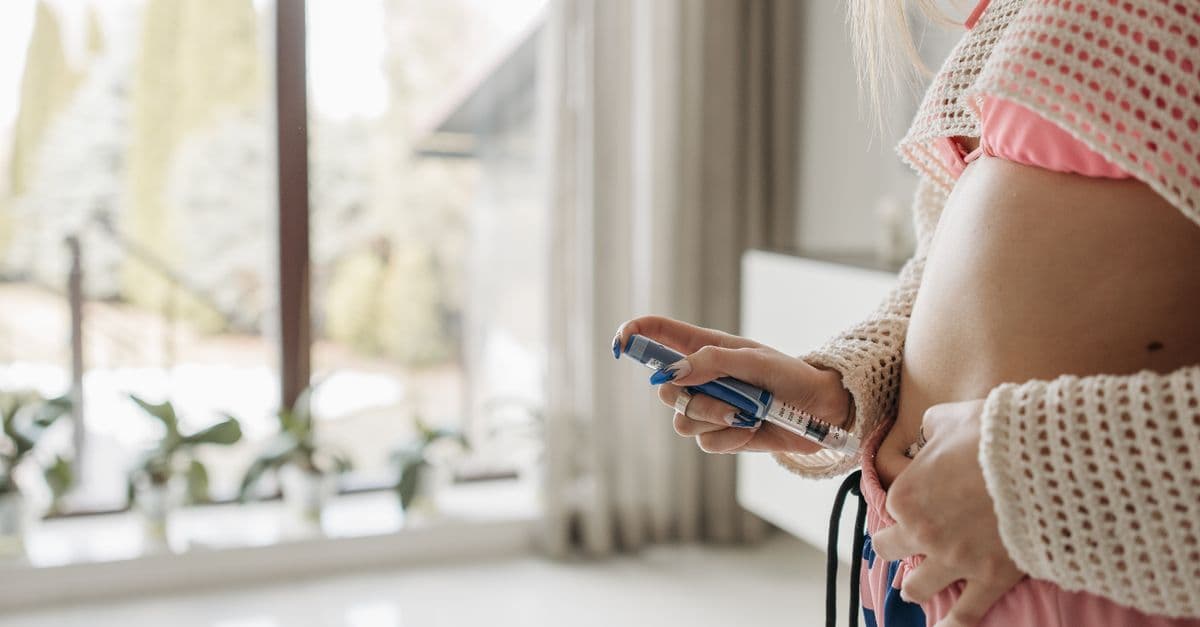
Injection site reactions (redness, itching, a small firm lump, mild swelling, or a local rash) are among the most commonly reported effects of injected GLP-1s and are usually mild and self-limiting.
Rotating sites, letting the pen reach room temperature, and not injecting into the same patch repeatedly prevent most of them. Spreading redness, warmth, pus, fever, or any whole-body rash or breathing difficulty is different and needs prompt care.
What a normal reaction looks like
A typical injection site reaction appears within hours of the shot and involves some combination of redness, mild itching, a small firm bump or lump under the skin, light swelling, or a bruise. It stays local, roughly the size of a coin, is uncomfortable rather than painful, and fades over a few days without treatment. Reactions like this are reported across Zepbound, Mounjaro, Wegovy, Ozempic, and Saxenda; they are a property of injecting a medication under the skin, not a sign the drug is wrong for you.
Why it happens
Your immune system responds locally to both the needle and the medication deposited in the fat layer. A few practical things make it more likely: injecting a cold pen straight from the fridge, using the same small area repeatedly so the tissue never recovers, injecting into scar tissue or a stretch mark, or moving the pen while it delivers. None of these are dangerous, they just concentrate the irritation.
How to reduce them
- Rotate properly. Not just abdomen to thigh, but a different spot within each area every week. Our injection-site guide covers a rotation that actually works.
- Let the pen warm up. A few minutes out of the fridge makes the injection sting less and reduces local reaction.
- Hold steady. Keep the pen still and pressed until it finishes; wobbling drags the needle and irritates more tissue. See our injection walkthrough.
- Do not rub afterwards. Light pressure is fine; rubbing spreads irritation.
- Cool it. A cold compress for a few minutes eases itching and swelling. An oral antihistamine can help persistent itch, but check with your pharmacist first.
- Avoid scarred or damaged skin. Absorption is unreliable there and reactions are worse.
Is a rash different from a reaction?
A rash confined to the injection area, appearing after the shot and settling within days, is still a local reaction and is common. What matters is whether it stays local. A rash that spreads well beyond the site, appears in places you did not inject, or comes with hives elsewhere on the body is a systemic reaction and is a different conversation with your prescriber, because it can indicate an allergic response to the medication.
When to get it checked
Contact a clinician for redness that keeps spreading or is hot to the touch, increasing pain after the first day or two, pus or drainage, fever, or a hard lump that does not settle over weeks, all of which can suggest infection rather than irritation. Seek emergency care for signs of a serious allergic reaction: hives spreading over the body, swelling of the face, lips, or throat, trouble breathing, or dizziness and faintness. Those are rare but do not wait them out.
Track which sites misbehave
Logging which site you used each week alongside any reaction quickly reveals whether one area is the problem (often an over-used patch of abdomen) or whether it is technique. DoseLog keeps site and symptom together, which is exactly what your prescriber needs if it keeps happening.
Questions people ask
Are Zepbound injection site reactions normal?
Yes. Redness, itching, a small firm lump, or mild swelling at the site are among the most commonly reported effects of injected GLP-1s including Zepbound and Mounjaro. They usually stay local, coin-sized, and fade within a few days.
What causes a rash at the injection site?
A local immune response to the needle and the medication deposited under the skin, made more likely by injecting a cold pen, reusing the same small area, injecting into scar tissue, or moving the pen mid-injection. A rash that stays local is a local reaction.
How do I stop injection site reactions?
Rotate to a genuinely different spot each week, let the pen reach room temperature first, hold it steady until it finishes, avoid rubbing afterwards, and use a cold compress for itching. Avoid scarred or damaged skin.
When is an injection site reaction serious?
See a clinician for spreading or hot redness, increasing pain after a day or two, pus, fever, or a lump that will not settle, which can mean infection. Seek emergency care for hives spreading over the body, swelling of the face, lips or throat, or trouble breathing.
References
- 1.Zepbound and Mounjaro (tirzepatide) prescribing information: injection site reactions and hypersensitivity. View label on DailyMed ↗
- 2.Ozempic and Wegovy (semaglutide) prescribing information: dosing, adverse reactions, and warnings. View label on DailyMed ↗
- 3.Reviews of subcutaneous injection technique and local injection-site reactions. Find on PubMed ↗
This article is general education, not medical advice. DoseLog is a tracking and reflection tool. Decisions about your medication, dose, and symptoms belong with a licensed clinician.
Keep reading
Symptoms
Injection site pain on a GLP-1: normal, fixable, or a flag?
Medications
Does your GLP-1 need to be refrigerated? Storage rules by brand
Symptoms
Does your GLP-1 make you tired? Why fatigue happens on every brand
Symptoms
The best laxative for GLP-1 constipation (and the order to try things)
Symptoms
How to stop hair loss from Ozempic: what works and what does not
Symptoms
Tirzepatide fatigue: why Mounjaro and Zepbound can leave you tired