
Medications
Microdosing GLP-1s: what it means and what the evidence says
July 12, 2026 · 2 min read
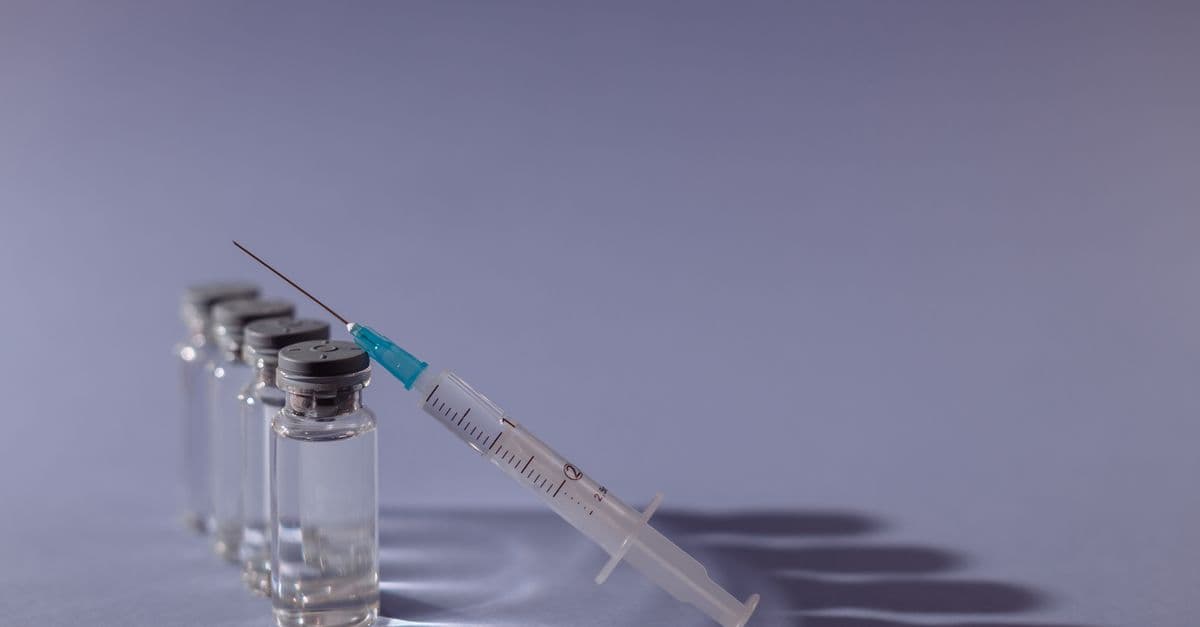
The short answer
Microdosing a GLP-1 means deliberately using doses below the standard therapeutic range, aiming for subtler appetite or metabolic effects with fewer side effects, better tolerability, or lower cost.
It is a trend, not an established protocol: there is little clinical evidence for defined microdosing regimens, most of the practice happens off-label or with compounded products, and the real risks are dosing errors and unverified sources rather than the concept itself.
What people actually mean by microdosing
The term is borrowed and loose. In GLP-1 conversations it usually means one of a few things: staying at a low starter-range dose rather than titrating up, using a fraction of a standard dose, or dosing less frequently than the label. The motives are consistent even when the definitions are not: gentler side effects, lower cost, maintaining a result without the full dose, or a cautious on-ramp for the side-effect-sensitive.
Some of these overlap with entirely legitimate, prescriber-managed choices. A low maintenance dose that holds your result is standard medicine, not fringe microdosing. The gray zone is self-directed sub-therapeutic dosing outside a prescriber's plan, often with compounded vials drawn by syringe.
What does the evidence say?
Honestly: not much, for defined microdosing regimens. The trials that established these drugs used specific titration schedules to specific therapeutic doses, and that is where the efficacy and safety data live. Sub-therapeutic dosing has not been studied the same way, so claims about a magic low dose that delivers big results with no side effects are marketing, not data.
What is well established: effects are dose-dependent. Lower doses generally mean gentler side effects and smaller effects, which is exactly why titration exists. Whether a very low dose does enough to be worth it is individual, and it is a question for your prescriber with your logged response, not a forum consensus.
The real risks aren't the concept, they're the practice
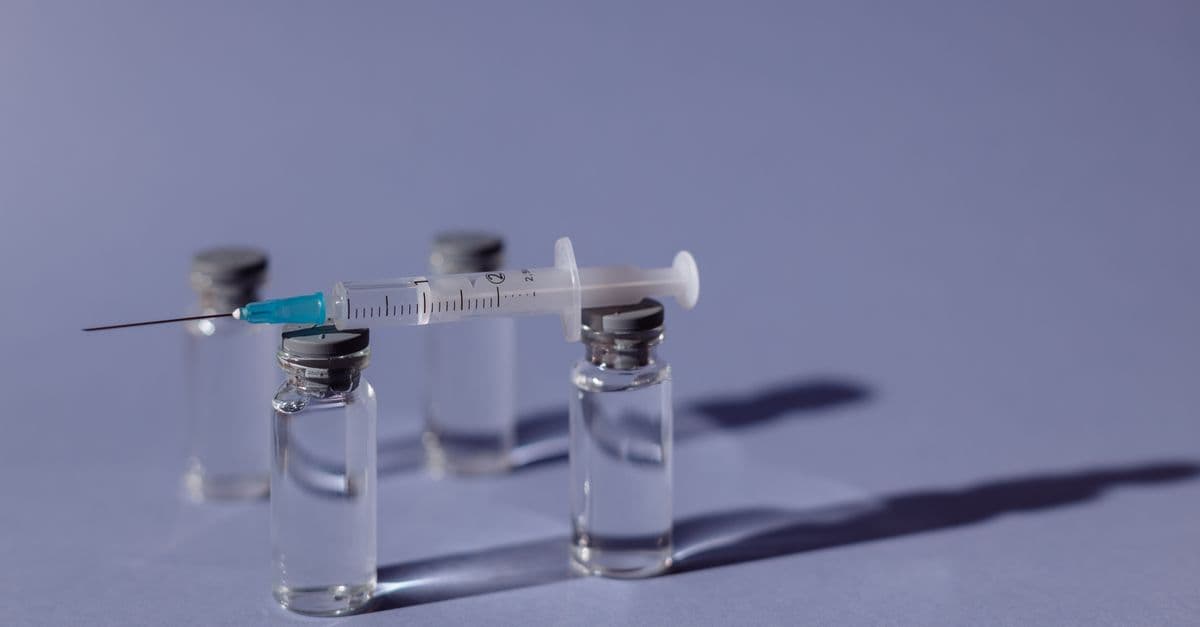
- Dosing errors: most microdosing uses compounded vials and syringes, where unit confusion has caused documented overdoses. Drawing a "small" dose by hand is exactly where mistakes happen (see our compounded GLP-1 post).
- Unverified sources: the microdosing trend leans heavily on gray-market and post-shortage compounded supply, which is where quality and safety problems cluster.
- Doing it in the dark: self-adjusting without a prescriber means no one is watching for the interactions, contraindications, and monitoring that make these drugs safe.
- Underdosing an actual condition: for diabetes especially, a self-chosen sub-therapeutic dose can leave a real medical need undertreated.
The honest bottom line
A low, prescriber-set dose that suits you is good medicine and always has been. Self-directed microdosing with compounded products and no oversight is a different thing wearing the same word, and its risks are practical: bad math, bad sources, no safety net. If a gentler dose appeals to you, the productive move is to bring that goal to your prescriber, who can set a low dose safely and adjust it on your logged response. DoseLog keeps the dose-and-symptom record that makes that conversation precise.
Questions people ask
What is microdosing a GLP-1?
Deliberately using doses below the standard therapeutic range, aiming for subtler appetite or metabolic effects with fewer side effects or lower cost. It is a loosely defined trend rather than an established, studied protocol.
Does microdosing GLP-1 work?
There is little clinical evidence for defined microdosing regimens; the trials used specific titration to therapeutic doses. Effects are dose-dependent, so a very low dose generally means gentler but smaller effects. Whether it does enough for you is a prescriber question, not a forum one.
Is microdosing tirzepatide or semaglutide safe?
The concept of a low, prescriber-set dose is fine and standard. The risks come from the practice: self-directed dosing with compounded vials invites syringe dosing errors and unverified sources, with no medical oversight. A low dose set and monitored by your prescriber is the safe version.
Is a low maintenance dose the same as microdosing?
No. A low maintenance dose chosen by your prescriber to hold your result is established medicine. Self-directed sub-therapeutic dosing outside a treatment plan is the gray-zone practice the word usually refers to.
References
- 1.Ozempic and Wegovy (semaglutide) prescribing information: dosing, adverse reactions, and warnings. View label on DailyMed ↗
- 2.GLP-1 receptor agonist dose-response reviews. Find on PubMed ↗
- 3.FDA communications on compounded semaglutide and tirzepatide. Find on PubMed ↗
This article is general education, not medical advice. DoseLog is a tracking and reflection tool. Decisions about your medication, dose, and symptoms belong with a licensed clinician.
Keep reading
Medications
What is a compounded GLP-1, and what should you know if you're on one?
GLP-1 Basics
GLP-1 titration schedules, explained simply
Medications
GLP-1 vs bariatric surgery: an honest comparison
Medications
GLP-1 and metformin together: the workhorse combination
Medications
GLP-1s and B12: the vitamin story, untangled
Medications
How to get a GLP-1 prescription: criteria, paths, and pitfalls