
Medications
Does a GLP-1 show up in blood work? What it does and doesn't affect
July 15, 2026 · 3 min read
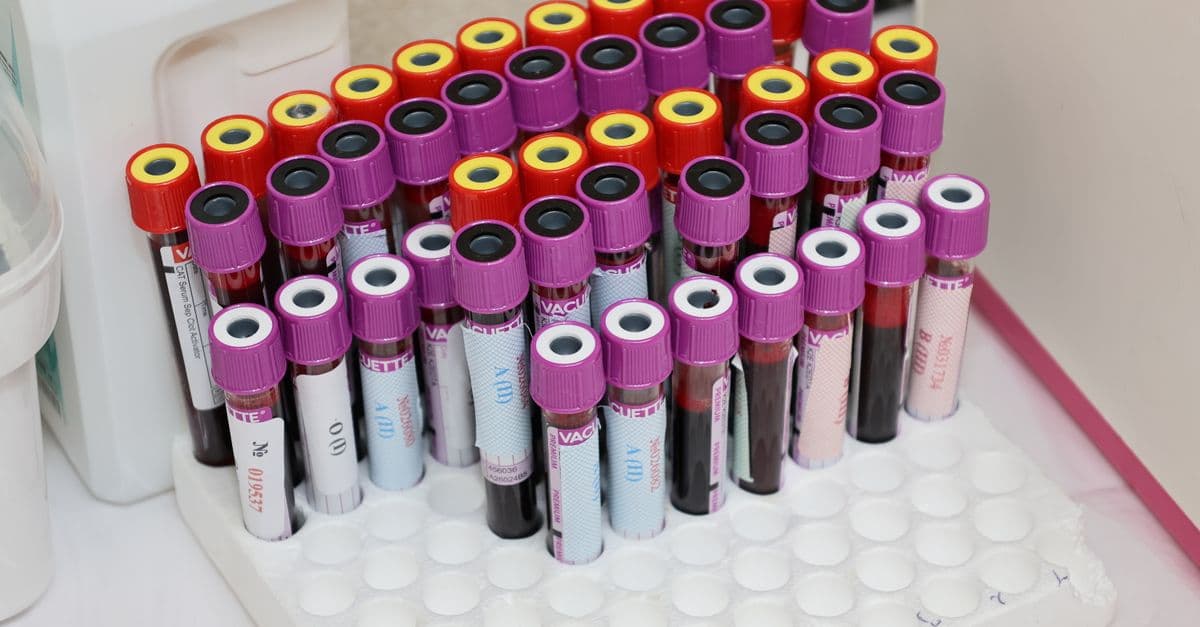
The short answer
A GLP-1 drug is not something routine blood work or a standard drug screen looks for, so it does not "show up" as a detected substance. Your doctor knows you take it because you told them, not because a test flagged it.
It does change several lab results, though: blood sugar and A1C usually improve, lipids often improve, and pancreatic enzymes (amylase, lipase) can rise. Tell whoever orders your labs that you take it, so results are read in context.
Two questions in one
"Does a GLP-1 show up in blood work?" can mean two very different things, and mixing them up causes needless worry. One is: will a blood test detect the drug itself, the way a drug screen detects other substances? The other is: does taking it change the numbers on my lab results? The answers are opposite, so it is worth separating them.
As a detected substance: no
Routine blood work (a metabolic panel, blood count, cholesterol, A1C) does not test for semaglutide, tirzepatide, or any GLP-1 drug, and neither does a standard employment or sports drug screen. These are not substances those tests look for. So a GLP-1 does not "show up" the way alcohol or a controlled drug would. Your clinician knows you take it because it is in your record, not because a panel revealed it. If you are wondering for privacy reasons, standard testing will not expose it.
As an effect on results: yes, and mostly for the better
This is the part that actually matters. A GLP-1 changes what your body is doing, so it changes several numbers:
- Blood sugar and A1C: usually lower. This is the point in diabetes: fasting glucose and A1C typically improve. That is the drug working, not a problem.
- Lipids: often improve. Triglycerides and other lipid markers frequently move in a favorable direction alongside weight loss.
- Pancreatic enzymes (amylase, lipase): can rise. These sometimes increase modestly on GLP-1 drugs. A mild rise is common and not automatically alarming, but a large rise with abdominal pain is part of the pancreatitis picture and needs evaluation.
- Kidney and liver markers: watched. Dehydration from heavy GI side effects can transiently affect kidney numbers; liver markers are followed, especially given research into liver benefits.
Why you should tell whoever orders the labs
Context changes how results are read. An improving A1C looks like great diabetes control (it is). A slightly raised lipase in someone on a GLP-1 with no symptoms is interpreted very differently from the same value in someone with severe abdominal pain. If a clinician does not know you take a GLP-1, they may over- or under-react to a number. It takes one sentence: "I'm on Ozempic" (or Mounjaro, Wegovy, Zepbound). Include it before any surgery, imaging, or new specialist visit.
Fasting and lab prep
Because a GLP-1 slows your stomach, fasting-lab instructions matter as much as ever, and if you also take insulin or a sulfonylurea, fasting for labs can affect blood sugar, so ask your clinician how to handle your medications on lab-and-fasting days. This overlaps with the newer advice around holding GLP-1 drugs before procedures with anesthesia; our before-surgery post covers that.
The takeaway
A GLP-1 will not be caught by a blood test as a substance, but it will shift your results, mostly in a good direction. The move is not to hide it but to flag it, so every number is read in the right context. Keeping your dose and any symptoms logged in DoseLog gives your clinician that context at a glance.
Questions people ask
Does Ozempic show up in blood work?
Not as a detected substance. Routine blood panels and standard drug screens do not test for semaglutide or any GLP-1 drug. However, taking it does change several results: blood sugar and A1C usually improve, lipids often improve, and pancreatic enzymes can rise.
Does taking a GLP-1 affect my lab results?
Yes. Blood sugar and A1C typically go down (the intended effect), lipids often improve, and pancreatic enzymes (amylase, lipase) can rise modestly. Tell whoever orders your labs that you take it, so the numbers are interpreted in context.
Will a drug test detect Ozempic or Mounjaro?
No. Standard employment or sports drug screens do not look for GLP-1 medications. They are not among the substances those tests are designed to detect.
Should I tell my doctor I take a GLP-1 before blood tests?
Yes, always. It changes how results are read, for example distinguishing a harmless mild rise in pancreatic enzymes from a concerning one, and it matters before surgery or procedures. One sentence naming your medication is enough.
References
- 1.Ozempic and Wegovy (semaglutide) prescribing information: effects on glycemic and laboratory parameters. View label on DailyMed ↗
- 2.Reviews of GLP-1 receptor agonists and pancreatic enzyme (amylase, lipase) changes. Find on PubMed ↗
- 3.American Society of Anesthesiologists guidance on GLP-1 receptor agonists before procedures. Find on PubMed ↗
This article is general education, not medical advice. DoseLog is a tracking and reflection tool. Decisions about your medication, dose, and symptoms belong with a licensed clinician.
Keep reading
Symptoms
GLP-1s before surgery: why anesthesia teams ask, and what to do
Medications
GLP-1 and metformin together: the workhorse combination
Medications
Is Ozempic safe? What years of use and large trials show
Medications
Tirzepatide long-term side effects: what builds up over months and years
Medications
Is tirzepatide the same as Mounjaro? (And Zepbound?)
Medications
Oral tirzepatide: is a Mounjaro pill coming?