
Results
Not losing weight on a GLP-1? Work this checklist first
July 9, 2026 · 2 min read
The short answer
Most no-loss stories resolve into something findable: a dose still in warm-up range, appetite quietly out-eaten through liquids and grazing, water retention masking early fat loss, or a measurement habit that cannot see the trend.
Work the checklist in order, one honest week per step. If the trend is truly flat at a therapeutic dose with clean logs, that is real information for your prescriber, and switching molecules is a normal next move.
First, the two questions that resolve half of these
Are you actually at a working dose yet?
The starter months are tolerance-building by design: 0.25 or 0.5 mg semaglutide and 2.5 mg tirzepatide are warm-up doses, and plenty of people feel little and lose little on them. If you are within the first two or three titration steps, the honest answer is usually not yet rather than not working. The titration post maps the ladder.
Is the trend actually flat, or is the scale lying?
Daily weights swing on water, salt, hormones, and digestion. Judge only a weekly average over three-plus weeks, and add a tape measure: recomposition (fat down, water or muscle up) flatlines scales while waists shrink. The plateau guide covers reading a stall properly.
The four quiet leaks
- Liquid calories ride through appetite suppression. Lattes, juices, smoothies, alcohol: the medication quiets food hunger, not habits. A week of logging drinks specifically is often the whole diagnosis; the alcohol post covers its corner.
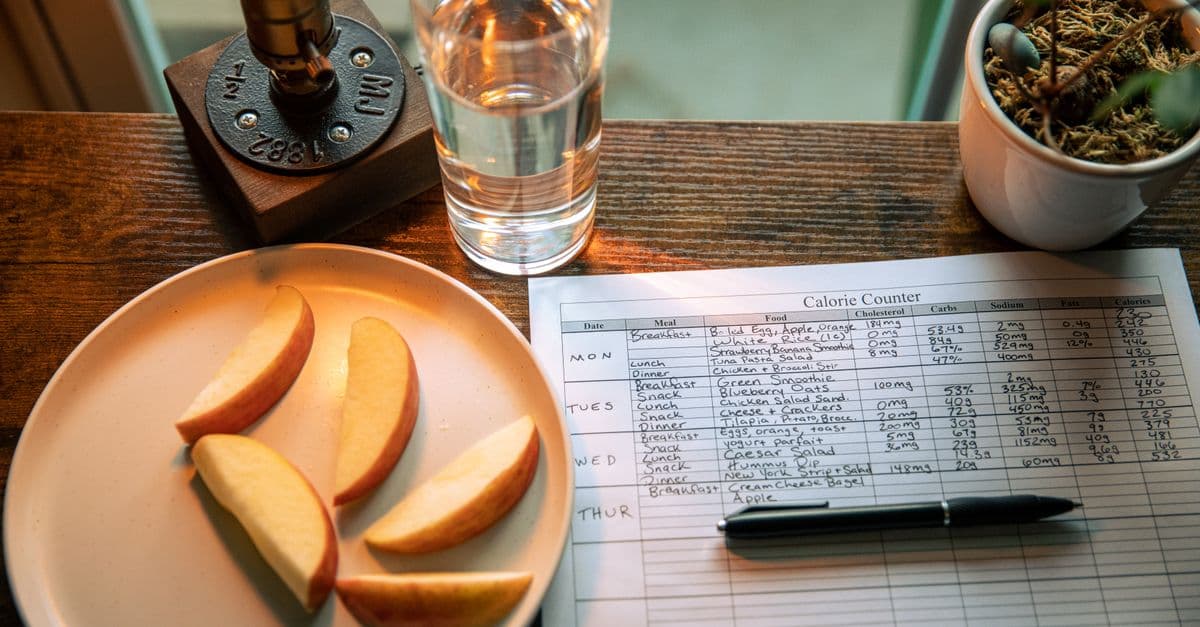
- Grazing replaced meals. No real hunger can mean no real meals but constant nibbling, and nibbles evade both memory and fullness signals. Log everything for one honest week; most mysteries die by Thursday.
- The appetite effect faded between doses. If hunger roars back the day or two before each weekly shot, note it: your prescriber can consider timing or dose, and the pattern matters.
- Water retention is masking early loss. New training, more salt, or hormonal cycles hold water for weeks at a time. The tape measure and photos see through it.
When is it genuine non-response?
The common clinical checkpoint: less than about 5% loss after roughly three months at a full therapeutic dose, with adherence and logging clean. That describes a real minority on every molecule, and it is actionable rather than hopeless: response to one GLP-1 predicts little about another, and switching (semaglutide to tirzepatide or the reverse) is routine prescriber work. Underlying factors (thyroid status, medications that promote weight gain, sleep apnea) also earn a look at this stage.
Bring data, not vibes
The difference between a productive prescriber visit and a shrug is six weeks of records: doses and dates, an honest food log including drinks, weekly weight averages, waist numbers, and how appetite behaved across each week. That is precisely the line DoseLog keeps. Non-response you can document gets solved; non-response you can only feel gets sympathy.
Questions people ask
Why am I not losing weight on my GLP-1?
Most commonly: still on warm-up doses, liquid calories and grazing riding through appetite suppression, water retention masking early loss, or judging by daily weigh-ins instead of weekly trends. Work those before concluding non-response.
How long before deciding a GLP-1 isn't working?
The common clinical checkpoint is roughly three months at a full therapeutic dose: under about 5% loss there, with clean adherence, counts as limited response and justifies the switching conversation. Time on starter doses does not count toward that clock.
Can you be a GLP-1 non-responder?
Yes, a real minority responds weakly to any given molecule. Response to one drug predicts little about another, so switching between semaglutide and tirzepatide is a standard next step, alongside checking thyroid, sleep, and weight-promoting medications.
Does appetite coming back before my next dose mean it's failing?
Not necessarily: some end-of-week appetite return is common. Log how loud and how early it arrives; a strong consistent pattern informs dose timing and titration decisions rather than dooming the treatment.
References
- 1.Ozempic and Wegovy (semaglutide) prescribing information: dosing, adverse reactions, and warnings. View label on DailyMed ↗
- 2.Jastreboff AM et al. Tirzepatide Once Weekly for the Treatment of Obesity. SURMOUNT-1. NEJM 2022. Read on NEJM ↗
- 3.GLP-1 receptor agonist response variability and non-response reviews. Find on PubMed ↗
This article is general education, not medical advice. DoseLog is a tracking and reflection tool. Decisions about your medication, dose, and symptoms belong with a licensed clinician.
Keep reading
Results
How much weight can you actually lose on a GLP-1?
GLP-1 Basics
GLP-1 titration schedules, explained simply
Medications
Semaglutide vs tirzepatide: an honest comparison
Results
GLP-1 weight loss plateau: why it happens and what to do
Results
Loose skin after GLP-1 weight loss: what to expect
Results
GLP-1 rebound weight gain: what happens when you stop