
Results
Loose skin after GLP-1 weight loss: what to expect
August 6, 2026 · 3 min read
The short answer
Loose skin after GLP-1 weight loss comes from the amount and speed of the loss, along with your age, genetics, and how long you carried the extra weight, not from semaglutide or tirzepatide itself. The same loss from any method would have a similar effect.
Losing at a steadier pace and building muscle with strength training give skin the best chance to adapt, and protein, hydration, and not smoking support it. Mild looseness often improves over months, while severe cases may only resolve with a procedure.
Why skin goes loose
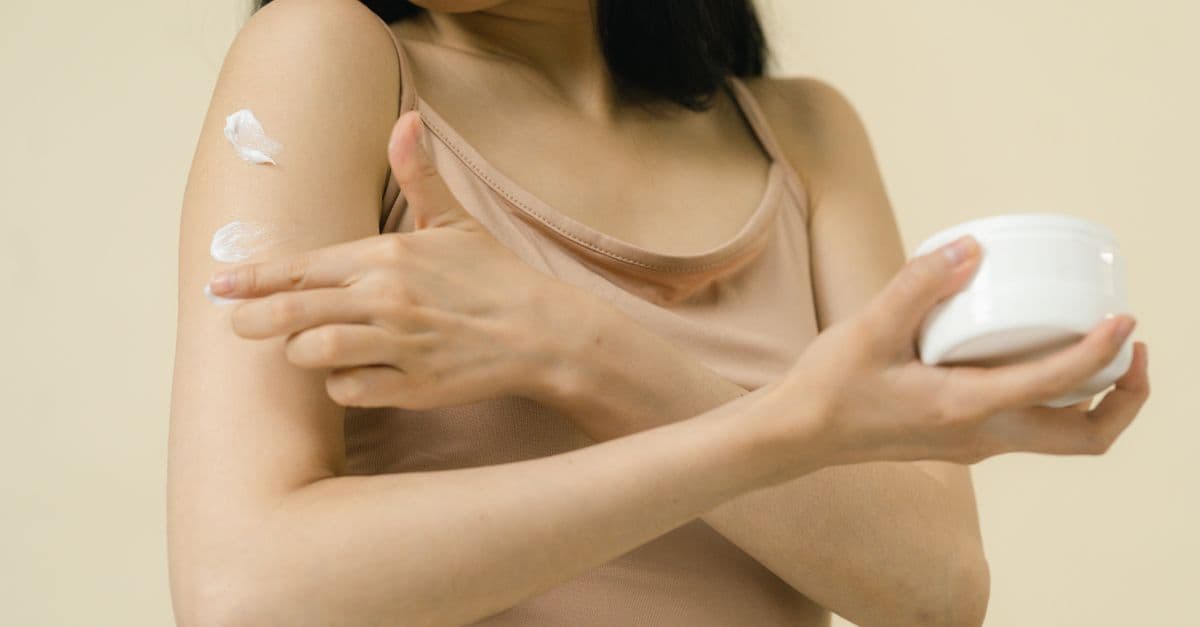
Loose or sagging skin after major weight loss happens because skin that was stretched over a larger body for a long time cannot always shrink back to fit a smaller one. Skin has elastic fibers, collagen and elastin, that let it recoil, but those fibers have limits. When fat is lost faster than the skin can remodel, the extra surface area has nowhere to go and hangs. The reassuring part is that skin keeps remodeling for a long time, so what looks loose at first can continue to firm up gradually well after the weight itself has stabilized. This is general information, not medical advice, and a clinician can assess your own skin better than any article.
The medication is not the cause
GLP-1 drugs like semaglutide and tirzepatide do not damage or loosen skin directly. Loose skin is a consequence of the weight loss itself, and it would follow the same amount of loss from dieting or surgery. What matters most is how much weight you lose and how quickly, plus factors you cannot change: your age, your genetics, how long you carried the extra weight, and years of sun exposure. Younger skin with more collagen tends to retract better than older skin. For a sense of how much loss to expect, see our guide on how much weight you can lose on a GLP-1.
Slower loss and building muscle
Two things genuinely help. The first is losing at a steadier pace, which gives skin more time to adapt, and titrating a GLP-1 slowly under your clinician tends to support that. The second is building muscle. Muscle fills out the space beneath the skin, so strength training can make loose areas look firmer even when the skin itself has not changed. Our post on GLP-1 and exercise explains how to add resistance work while you are on the medication. Neither approach guarantees a particular result, and genetics still set much of the ceiling, but both stack the odds in your favor and cost little to try.
Everyday support for your skin
Basic habits give skin the best chance. Eating enough protein supplies the building blocks for collagen, staying hydrated keeps skin supple, and not smoking protects the fibers that let skin recoil. These steps will not erase significant loose skin, but they support the skin you have and overlap neatly with staying healthy as you lose weight. It also helps to keep the weight off once you reach your goal, since repeated cycles of loss and regain put extra strain on the skin's elastic fibers over time. Managing expectations matters too, because some looseness after large weight loss is normal and often improves over many months as the skin slowly remodels itself.
The face, and when to seek help
The same effect on the face is what people call Ozempic face, where fat loss and mild skin laxity can make the face look older or more hollow. For most people, loose skin is mild and settles with time. When it is severe, usually after very large weight loss, skin does not tighten on its own, and body-contouring procedures such as surgery are the only way to remove the excess. Timing matters too, since most people wait until their weight has been stable for a while before considering any procedure. That is a personal decision to weigh with a qualified provider, not something to rush into, and nothing here is medical advice.
Questions people ask
Does a GLP-1 cause loose skin?
Not directly. Loose skin is a result of the weight loss itself, not of semaglutide or tirzepatide. The same amount of loss from dieting or surgery would have a similar effect. How much you lose, how fast, and your age and genetics matter most.
How do I prevent loose skin on a GLP-1?
You cannot fully prevent it, but losing at a steadier pace and building muscle with resistance training give skin more time to adapt and fill out. Enough protein, good hydration, and not smoking support your skin. Some looseness after large loss is still normal.
Does loose skin go away on its own?
Mild looseness often improves over many months as skin slowly remodels, especially in younger people with more collagen. Significant loose skin after very large weight loss usually does not tighten on its own and may only be removed with a body-contouring procedure.
Is loose skin the same as Ozempic face?
They are related. Ozempic face describes fat loss and mild skin laxity in the face that can look hollow or older, while loose skin usually refers to the body. Both come from losing the fat the skin was stretched over, not from the drug damaging skin.
References
- 1.Wilding JPH et al. Once-Weekly Semaglutide in Adults with Overweight or Obesity. STEP 1. NEJM 2021. Read on NEJM ↗
- 2.Reviews of skin elasticity and excess skin after major weight loss. Find on PubMed ↗
- 3.Resistance training and lean-mass preservation during weight loss reviews. Find on PubMed ↗
This article is general education, not medical advice. DoseLog is a tracking and reflection tool. Decisions about your medication, dose, and symptoms belong with a licensed clinician.
Keep reading
Results
How much weight can you actually lose on a GLP-1?
Lifestyle
Exercise on a GLP-1: what changes and what to prioritize
Results
GLP-1 rebound weight gain: what happens when you stop
Results
Semaglutide before and after: what results are realistic
Results
Not losing weight on Zepbound? Common reasons and what to check
Results
Wegovy before and after: realistic weight loss results