
Symptoms
Does Mounjaro cause headaches? Triggers and how to ease them
July 23, 2026 · 2 min read
The short answer
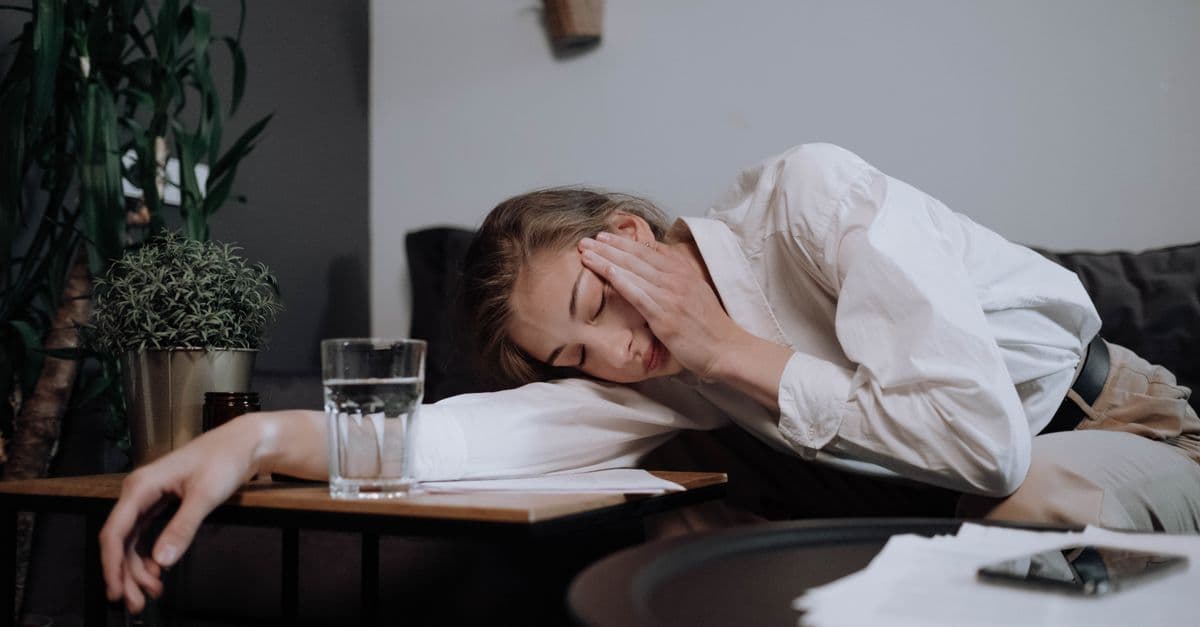
Headaches are reported on Mounjaro (tirzepatide), most often early and around dose increases. They are usually indirect: dehydration, low or swinging blood sugar, skipped meals, and disrupted sleep as appetite drops, rather than a direct drug effect.
Steady hydration, regular balanced meals, consistent caffeine, and protected sleep prevent most of them. A sudden severe headache, or one with vision changes, confusion, or hypoglycemia symptoms, needs prompt care.
Does Mounjaro cause headaches?
Headaches are a reported side effect of Mounjaro, showing up most in the first weeks and around dose increases. In most cases, though, the drug is not the direct cause. Mounjaro is tirzepatide, and by strongly suppressing appetite it sets up several familiar headache triggers at once. That is useful to know, because those triggers are largely fixable.
Why headaches happen on tirzepatide
- Dehydration. Lower appetite usually means drinking less and eating fewer water-rich foods, and mild dehydration is a leading headache cause.
- Low or swinging blood sugar. Eating much less and irregularly can dip blood sugar, and hypoglycemia headaches are common, more so if you also take insulin or a sulfonylurea.
- Skipped meals and caffeine shifts. Long gaps between meals and a sudden change in coffee both trigger headaches.
- Disrupted sleep. Nausea and reflux fragment sleep, which drives headaches.
What helps
Target the triggers rather than just the pain. Drink steadily through the day instead of waiting for thirst, and add electrolytes if intake has dropped a lot. Do not skip meals just because hunger is gone; regular meals with some protein and carbohydrate keep blood sugar steady. Keep caffeine consistent rather than cutting it abruptly. Protect sleep. For the occasional headache, ask a pharmacist which over-the-counter option suits you. Our tirzepatide headaches post, the general GLP-1 headaches post, and the low blood sugar post cover more.
How long they last, and when to worry
Most Mounjaro headaches ease as your body adapts to a dose and as hydration and meals steady, with brief flares after each dose increase. Treat it as urgent if a headache is sudden and severe (the worst of your life), comes with vision changes, confusion, weakness, or a stiff neck, or with shakiness, sweating, and a racing heart that points to low blood sugar. Those need prompt care rather than a painkiller. Logging headaches next to your dose days, fluids, and meals in DoseLog reveals what is triggering them.
Questions people ask
Does Mounjaro cause headaches?
Headaches are reported on Mounjaro, mostly early and around dose increases, but usually indirectly. The common drivers are dehydration, low or swinging blood sugar, skipped meals, and disrupted sleep as appetite drops, rather than a direct drug effect.
How do I get rid of a Mounjaro headache?
Address the triggers: drink steadily with electrolytes if intake is low, do not skip meals, keep blood sugar steady with balanced meals, keep caffeine consistent, and protect sleep. For occasional headaches, ask a pharmacist which over-the-counter option suits you.
How long do Mounjaro headaches last?
Most ease within days to a couple of weeks as your body adapts and as hydration and meals stabilize, with brief flares after dose increases. Persistent or worsening headaches are worth raising with your prescriber.
When is a headache on Mounjaro serious?
Seek urgent care for a sudden severe headache, or one with vision changes, confusion, weakness, or a stiff neck, and for headaches with shakiness, sweating, and a racing heart that suggest low blood sugar, especially if you take insulin or a sulfonylurea.
References
- 1.Mounjaro and Zepbound (tirzepatide) prescribing information: dosing, adverse reactions, and warnings. View label on DailyMed ↗
- 2.Dehydration, hypoglycemia, and headache with GLP-1 receptor agonists reviews. Find on PubMed ↗
- 3.Mounjaro and Zepbound (tirzepatide) prescribing information: adverse reactions. View label on DailyMed ↗
This article is general education, not medical advice. DoseLog is a tracking and reflection tool. Decisions about your medication, dose, and symptoms belong with a licensed clinician.
Keep reading
Symptoms
Can GLP-1s cause headaches? The usual culprits and fixes
Symptoms
Tirzepatide headaches: why Mounjaro and Zepbound can trigger them
Symptoms
Does Zepbound cause headaches? Why they happen and what helps
Symptoms
Does Zepbound cause insomnia? Why sleep changes and what helps
Symptoms
Wegovy and constipation: why it happens and how to relieve it
Symptoms
Tirzepatide nausea: why it happens and how to settle it