Symptoms
GLP-1 and gallstones: why rapid weight loss raises the risk
August 6, 2026 · 3 min read
The short answer
GLP-1 medications like semaglutide and tirzepatide can raise the risk of gallstones, and the main reason is the rapid weight loss they produce. Fast weight loss of any kind, from diets, surgery, or medication, is a well-established trigger for stones to form.
There may be a second, more direct effect: GLP-1 activity can slow how fully the gallbladder empties, letting bile stagnate. Most gallstones cause no symptoms, but a stone that blocks a duct can cause an attack. This is general information, not medical advice.
Why weight loss is the main driver
Gallstones form when bile in the gallbladder becomes concentrated and cholesterol crystallizes out of it. Rapid weight loss is a long-recognized trigger for exactly this, and it happens regardless of how the weight comes off, whether through very low calorie diets, bariatric surgery, or medication. When you lose weight quickly, the liver releases extra cholesterol into bile, and the gallbladder may not empty as fully, which gives stones a chance to develop. Because GLP-1 medications such as semaglutide and tirzepatide can produce substantial and fairly fast weight loss, this pathway explains most of the increased gallstone risk seen with them. Our Ozempic and gallbladder overview goes deeper on the connection.
The slower-emptying angle
There may be a second, more direct effect. GLP-1 receptor activity slows the movement of the digestive tract, and some research suggests it may also reduce how often and how fully the gallbladder contracts. A gallbladder that stays fuller for longer lets bile sit and stagnate, which is one of the conditions that allows stones to build up. This is still an area of study and the size of the effect is debated, but it is a plausible reason gallbladder issues appear as a listed possible side effect for this drug class.
What a gallbladder attack feels like
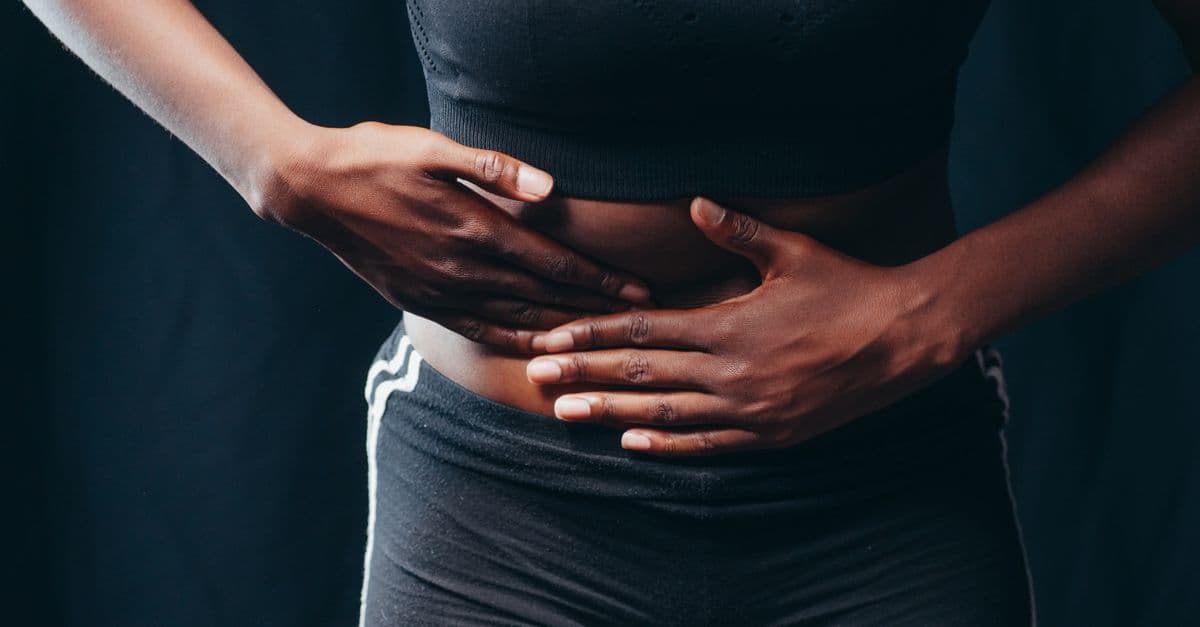
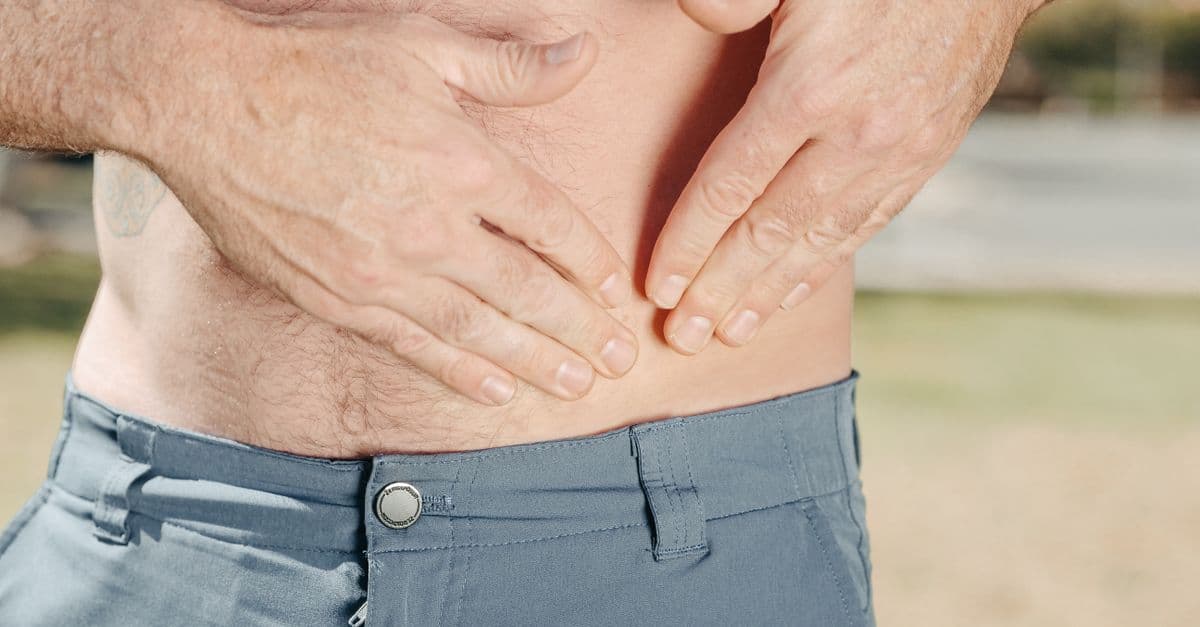
Many gallstones cause no symptoms at all and are found by chance. Trouble starts when a stone blocks a duct. A classic gallbladder attack is a steady, intense pain in the upper right side of the abdomen or just below the breastbone, often starting within an hour or two of a fatty meal. The pain can spread to the right shoulder or the back and may come with nausea or vomiting. Episodes can last anywhere from several minutes to a few hours. Feeling bloated or queasy after rich food is common on GLP-1s in general, so it is the pattern and the intensity that set an attack apart.
When to seek care
Occasional mild digestive upset is usually just the medication settling in. But some signs point to a gallbladder problem that needs prompt medical attention. Contact a clinician, or seek urgent care, if you notice any of the following:
- Severe or persistent pain in the upper right abdomen, especially after fatty meals
- Abdominal pain together with fever or chills
- Yellowing of the skin or the whites of the eyes
- Dark urine along with pale, clay-colored stools
- Repeated vomiting or pain that keeps you from eating or resting
The last few signs can indicate a blocked bile duct or an infection and warrant urgent evaluation. Do not try to diagnose this on your own, and do not stop or adjust your medication to treat it without guidance. This article is general information and is not a substitute for a professional evaluation.
Lowering the odds and staying informed
You cannot fully control whether stones form, and some risk factors, such as being female, older, or having a family history, are outside your control. Still, a few habits come up often in discussions with clinicians: losing weight at a steady rather than crash pace, keeping some healthy fat in meals so the gallbladder still contracts regularly, and staying well hydrated. Do not stop or change your dose on your own to manage this concern; talk with your prescriber first, because the benefits of treatment usually outweigh the gallstone risk for the right person. If gallbladder surgery ends up on the table, our note on taking Ozempic after gallbladder removal and the guidance on GLP-1s before surgery are worth a read. Logging your doses and any symptom flares in DoseLog gives your clinician a clear timeline to work from.
Questions people ask
Does GLP-1 medication cause gallstones?
GLP-1 medications are associated with a higher chance of gallstones, mainly because they cause rapid weight loss, which is a well-known trigger for stones. There may also be a smaller, more direct effect from slowed gallbladder emptying. Most stones cause no symptoms.
Why does rapid weight loss cause gallstones?
When you lose weight quickly, the liver releases extra cholesterol into bile and the gallbladder may not empty fully, so cholesterol can crystallize into stones. This risk applies to fast weight loss from any cause, including diets and surgery, not only medication.
What are the symptoms of a gallbladder attack?
A typical attack is steady, intense pain in the upper right abdomen or below the breastbone, often within an hour or two of a fatty meal, sometimes spreading to the right shoulder or back with nausea. Fever, jaundice, or dark urine with pale stools need urgent care.
Should I stop my GLP-1 if I have gallbladder pain?
Do not stop or change your dose on your own. Contact your clinician, and seek urgent care for severe pain, fever, or yellowing of the skin or eyes. Your prescriber can evaluate the cause and decide the right next step. This is general information, not medical advice.
References
- 1.Ozempic and Wegovy (semaglutide) prescribing information: dosing, adverse reactions, and warnings. View label on DailyMed ↗
- 2.Reviews of gallstones and gallbladder disease with GLP-1 receptor agonists and rapid weight loss. Find on PubMed ↗
- 3.Reviews of gastrointestinal adverse effects of GLP-1 receptor agonists and their management. Find on PubMed ↗
This article is general education, not medical advice. DoseLog is a tracking and reflection tool. Decisions about your medication, dose, and symptoms belong with a licensed clinician.
Keep reading
Symptoms
Ozempic and the gallbladder: gallstones, risk, and warning signs
Symptoms
Can I take Ozempic after gallbladder removal?
Symptoms
GLP-1s before surgery: why anesthesia teams ask, and what to do
Symptoms
Tirzepatide injection site reaction: what is normal and what is not
Symptoms
Tirzepatide and depression: what the evidence says
Symptoms
Zepbound and depression: what to know about mood changes