
Medications
GLP-1 and blood pressure: what changes and why
August 6, 2026 · 3 min read
The short answer
GLP-1 medications generally nudge blood pressure down rather than up. Trials of semaglutide and tirzepatide consistently show small reductions in systolic blood pressure, driven mostly by weight loss along with some more direct effects on blood vessels and fluid balance.
There is a counterpoint: these drugs also tend to raise resting heart rate slightly. If you already take blood-pressure medicine, losing weight and dropping your pressure on a GLP-1 could make your existing dose too strong, which is a common and manageable situation to review with your clinician. This is general information, not medical advice.
Which direction it moves
For most people, GLP-1 medications tend to nudge blood pressure down rather than up. Clinical trials of semaglutide and tirzepatide have consistently shown small reductions in systolic blood pressure, typically on the order of a few points on average. It is a modest effect, not a stand-alone treatment for hypertension, but it is one of the reasons these drugs are viewed favorably for overall cardiometabolic health. You can read more in our overview of GLP-1 benefits.
Why pressure tends to ease
The biggest driver is weight loss. Carrying less excess weight reduces the workload on the cardiovascular system and often lowers blood pressure over time. There may be additional, more direct effects too: GLP-1 receptors are found in blood vessels and the kidneys, and the drugs can influence sodium handling and fluid balance in ways that gently support lower pressure. Better blood-sugar control and reduced inflammation may also play a part. Because several of these changes build up over weeks and months, the blood-pressure effect tends to appear gradually rather than right after your first dose, and it often tracks alongside how much weight you lose. To understand the underlying mechanism, see how GLP-1 works.
The heart-rate wrinkle
There is a counterpoint worth knowing. While blood pressure often falls, GLP-1 medications tend to cause a small rise in resting heart rate, frequently a few beats per minute on average. Researchers are still studying why this happens, but it appears to be a recognized effect of the drug class rather than a sign of a problem for most people. It is usually mild and not dangerous, though some notice a sensation of a faster or pounding heartbeat, especially in the early weeks or after a dose increase. If a racing heartbeat is persistent, severe, or comes with chest pain or shortness of breath, that is worth getting checked promptly. Our post on GLP-1 and heart palpitations covers what tends to be typical and what is not.
If you already take blood-pressure medicine
This is the practical part. If you are on medication for hypertension and then lose weight and see your pressure drop on a GLP-1, your existing dose could become too strong for you. That does not mean anything is wrong; it can simply mean your blood-pressure regimen needs to be re-evaluated and possibly reduced. Signs that your pressure may be running too low include:
- Lightheadedness or dizziness, especially when standing up
- Unusual fatigue or feeling washed out
- Blurred vision or a sense of faintness
- Home readings that sit noticeably below your usual range
This is a common and manageable situation, but it should be handled by the clinician who manages those medications, not by adjusting doses yourself.
Keeping an eye on it
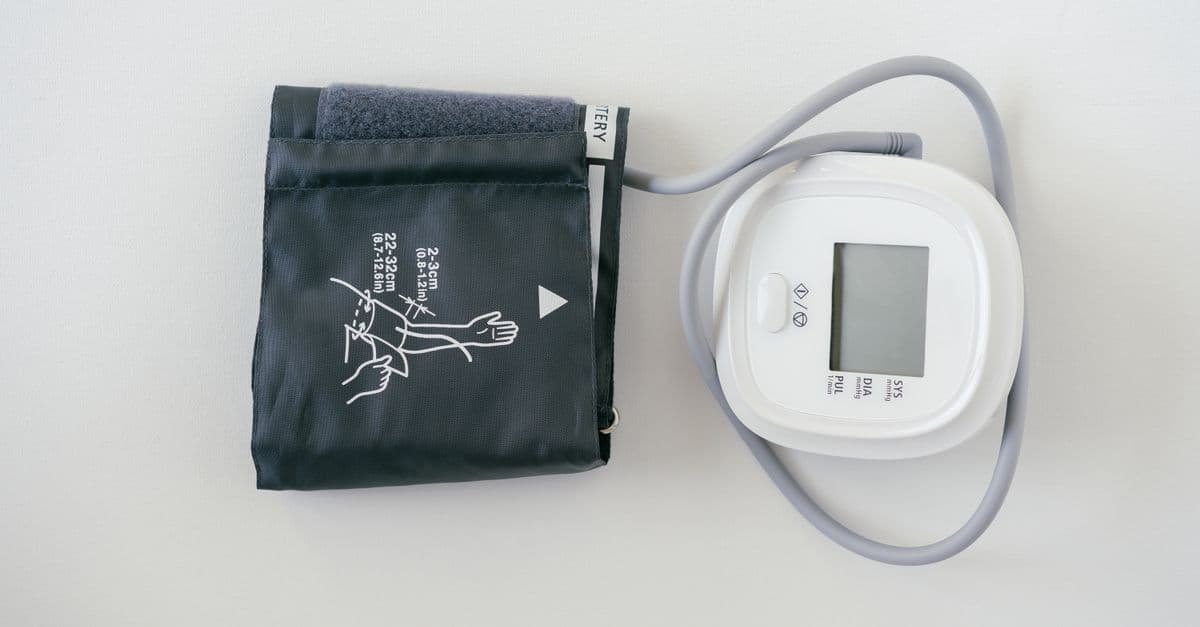
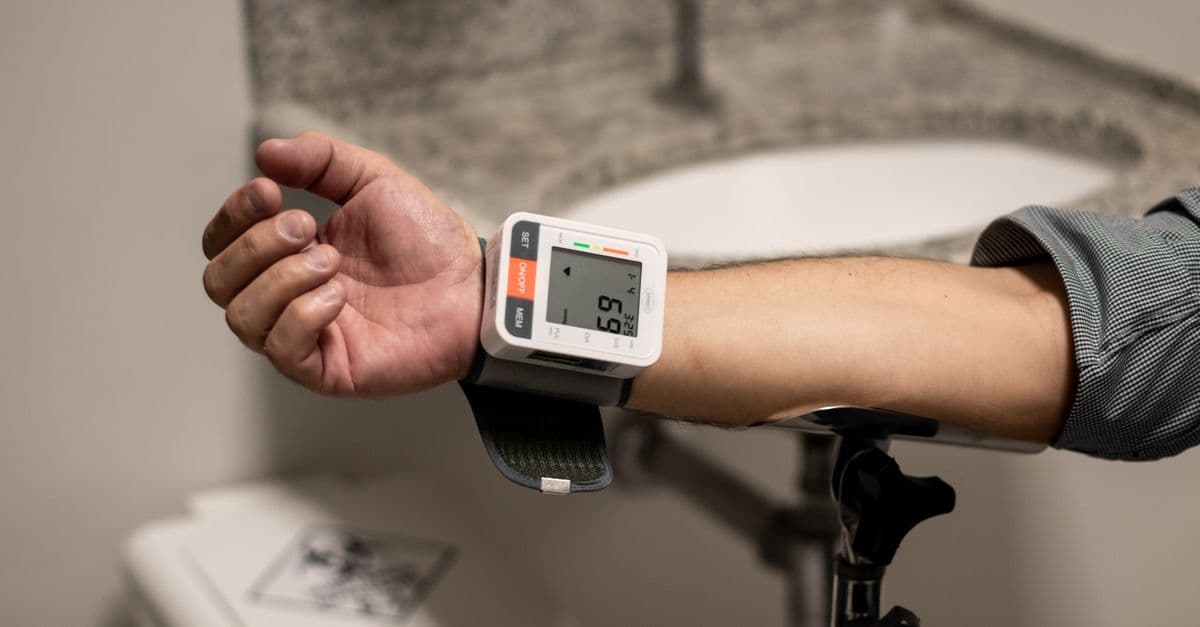
Checking your blood pressure at home now and then, particularly in the first months and after dose increases, gives you and your prescriber real data to work from. Note any symptoms of pressure running too low, and bring the readings to your appointments. Logging them alongside your doses in DoseLog makes trends easier to spot over the weeks and months as your weight changes. The goal is not to react to a single reading but to see the direction of travel and share it with the person managing your care. Remember that this is general education about a common pattern, not personalized medical advice, and your own clinician should guide any changes to your treatment.
Questions people ask
Does Ozempic lower blood pressure?
For most people, semaglutide and other GLP-1 medications tend to lower systolic blood pressure modestly, typically by a few points on average in trials. The main driver is weight loss, with some more direct effects on blood vessels and fluid balance. It is not a stand-alone blood-pressure treatment.
Why do GLP-1 drugs lower blood pressure?
The largest factor is weight loss, which eases the workload on the cardiovascular system. GLP-1 receptors in blood vessels and the kidneys may also influence sodium and fluid balance, and better blood-sugar control and reduced inflammation likely contribute as well.
Do GLP-1 medications raise heart rate?
They tend to cause a small increase in resting heart rate, often a few beats per minute on average. For most people this is mild, though some feel a faster or pounding heartbeat early on. Mention any persistent or bothersome symptoms to your clinician.
Do I need to adjust my blood-pressure medication on a GLP-1?
Possibly, but only your clinician should decide. If weight loss lowers your pressure, an existing dose can become too strong and cause low readings, dizziness, or fatigue. This is common and manageable; do not change doses yourself. This is general information, not medical advice.
References
- 1.Lincoff AM et al. Semaglutide and Cardiovascular Outcomes in Obesity without Diabetes. SELECT. NEJM 2023. Read on NEJM ↗
- 2.Ozempic and Wegovy (semaglutide) prescribing information: dosing, adverse reactions, and warnings. View label on DailyMed ↗
- 3.Reviews of GLP-1 receptor agonist effects on blood pressure and heart rate. Find on PubMed ↗
This article is general education, not medical advice. DoseLog is a tracking and reflection tool. Decisions about your medication, dose, and symptoms belong with a licensed clinician.
Keep reading
GLP-1 Basics
GLP-1 benefits: what these drugs actually do beyond weight loss
Symptoms
GLP-1 and heart palpitations: why your heart may race
GLP-1 Basics
How does a GLP-1 actually help you lose weight?
Medications
Compounded tirzepatide vs Zepbound: are they the same?
Medications
How long does semaglutide stay in your system?
Medications
Semaglutide dosage for weight loss, including for non-diabetics