
Medications
Compounded tirzepatide vs Zepbound: are they the same?
August 4, 2026 · 2 min read

The short answer
Zepbound is the FDA-approved, brand-name form of tirzepatide manufactured by Eli Lilly, made to a consistent, tested formulation and strength. Compounded tirzepatide is prepared by a compounding pharmacy and is not FDA-approved, so its formulation, strength, and quality are not verified in the same way.
Both contain tirzepatide as the active ingredient, but they differ in oversight, testing, dosing format, price, and legal status. Compounding was widely available during the official shortage; that situation has changed. Decisions about either should be made with a clinician. This is general information, not medical advice.
The core difference
Zepbound and compounded tirzepatide both contain the same active ingredient, tirzepatide, which is why people ask whether they are the same. In terms of what the molecule is, yes. In terms of what you are actually buying, no. Zepbound is the brand-name product made by Eli Lilly, approved by the FDA, and produced to one tested, consistent formulation and strength. Compounded tirzepatide is mixed by a compounding pharmacy and is not FDA-approved, which means its exact formulation, concentration, and quality control are not reviewed and verified the same way. This article is general information and does not replace advice from a licensed clinician.
What "compounded" means
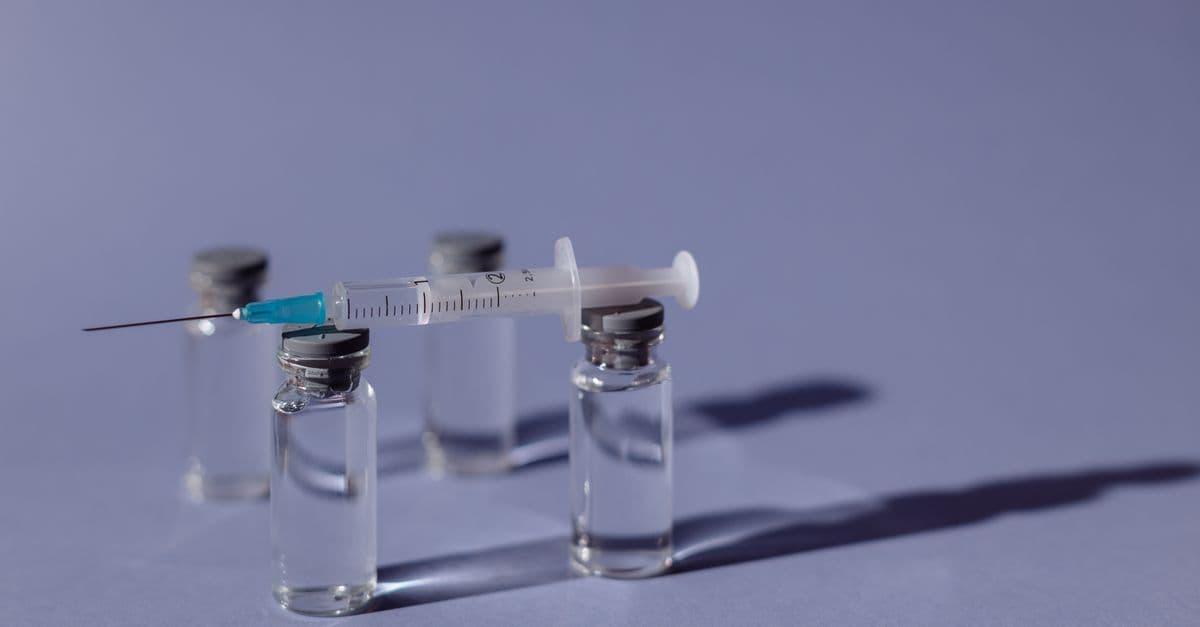
Compounding is when a pharmacy prepares a medication itself rather than dispensing a finished, approved product. Compounded tirzepatide often comes as a vial of liquid or powder that is measured and drawn into a syringe, rather than a fixed-dose pen, so dosing depends on measuring correctly. Our explainer on compounded GLP-1 goes deeper, and compounded tirzepatide units vs mg covers the measurement math that trips people up.
How they differ in practice
Oversight and testing. Zepbound is FDA-approved with verified strength and purity; compounded versions are not held to that approval standard.
Format and dosing. Zepbound comes in fixed-dose pens or single-dose vials; compounded tirzepatide is often a multi-dose vial you measure yourself, which adds room for dosing error.
Consistency. A brand product is the same every time; compounded products can vary between pharmacies.
Price and access. Compounded versions have often been cheaper and, during the shortage, more available, which is the main reason people used them.
Side effects. Because the active ingredient is the same, the expected side effects overlap, but a poorly made compound can add its own risks. See compounded tirzepatide side effects.
The legal and shortage picture
Compounded tirzepatide became widely used while brand-name tirzepatide was in official shortage, because compounding of a drug in shortage is treated differently. Once a shortage is declared resolved, the rules around large-scale compounding of that drug tighten, so availability and legality can change over time. Because this landscape shifts, and because dosing a self-measured vial safely is not trivial, the choice between compounded tirzepatide and Zepbound is one to make with a clinician rather than a seller. If you do use a compounded product, sourcing from a licensed pharmacy matters. Keeping an accurate record of what you took and when, in something like DoseLog, is especially useful with compounded vials. This article is general information, not medical or legal advice.
Questions people ask
Is compounded tirzepatide the same as Zepbound?
They share the same active ingredient, tirzepatide, but they are not the same product. Zepbound is FDA-approved, brand-name tirzepatide from Eli Lilly with verified strength and quality. Compounded tirzepatide is mixed by a pharmacy, is not FDA-approved, and its formulation and quality are not verified the same way.
What does compounded tirzepatide mean?
It means the tirzepatide was prepared by a compounding pharmacy rather than being a finished, FDA-approved product. It often comes as a vial you measure and draw into a syringe, instead of a fixed-dose pen, so dosing accuracy depends on measuring correctly.
Is compounded tirzepatide safe?
The active ingredient is the same as Zepbound, but compounded products are not FDA-approved, can vary between pharmacies, and usually require self-measured dosing, which adds risk. If considering one, use only a licensed pharmacy and decide with a clinician. This is general information, not medical advice.
Why is compounded tirzepatide cheaper than Zepbound?
Compounded versions are made by pharmacies rather than the brand manufacturer and are not sold through the same channels, so they have often cost less. Price is the main reason people used them, especially during the brand shortage, but lower cost comes with less oversight and testing.
References
- 1.FDA communications on compounded semaglutide and tirzepatide products. Find on PubMed ↗
- 2.Mounjaro and Zepbound (tirzepatide) prescribing information: dosing, adverse reactions, and warnings. View label on DailyMed ↗
- 3.Compounded GLP-1 product safety and quality reviews. Find on PubMed ↗
This article is general education, not medical advice. DoseLog is a tracking and reflection tool. Decisions about your medication, dose, and symptoms belong with a licensed clinician.
Keep reading
Medications
What is a compounded GLP-1, and what should you know if you're on one?
Medications
Compounded tirzepatide side effects: what to know
Medications
Compounded tirzepatide: why units and mg are not the same thing
Medications
How long does semaglutide stay in your system?
Medications
Semaglutide dosage for weight loss, including for non-diabetics
Medications
How much does semaglutide cost?