
Medications
Compounded tirzepatide: why units and mg are not the same thing
July 15, 2026 · 3 min read
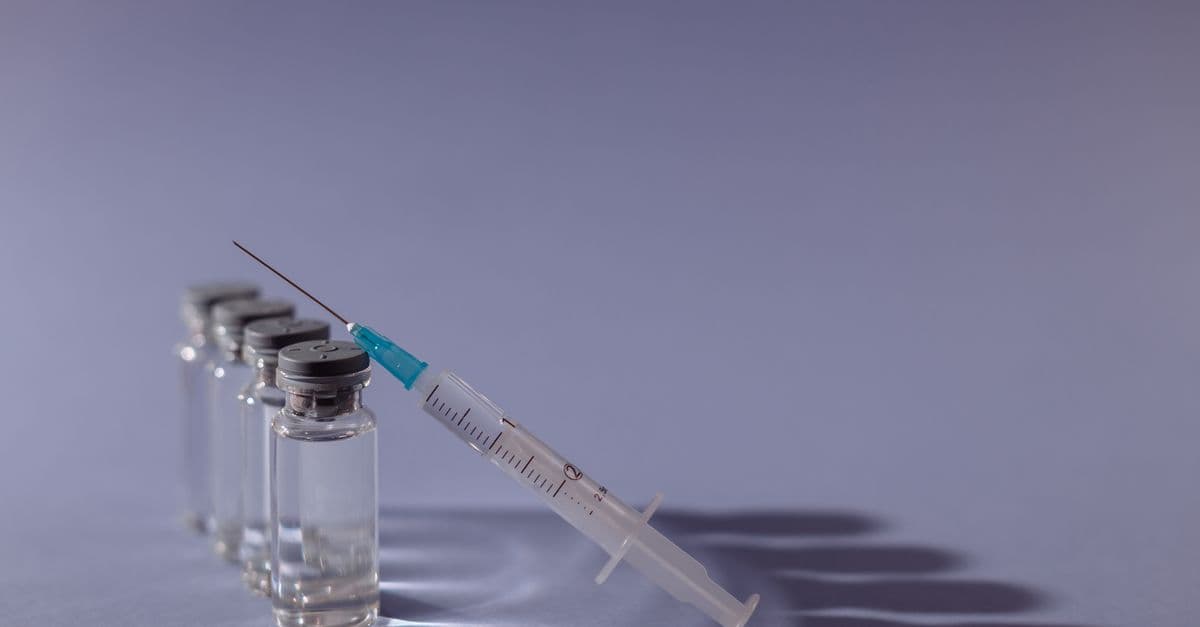
The short answer
Branded pens deliver a fixed dose in milligrams. Compounded tirzepatide comes in a vial drawn with an insulin syringe marked in units, and units measure volume, not drug. The same 40 units can be a very different dose depending on the vial's concentration.
This is why no universal units-to-mg conversion exists and why dose instructions must come from the prescriber and pharmacy that supplied your specific vial. Unit-versus-milligram confusion is a documented cause of accidental overdose.
Why this confusion exists
With a branded pen (Mounjaro or Zepbound), the dose is decided for you: you dial or select a fixed dose and the pen delivers exactly that many milligrams. There is nothing to calculate.
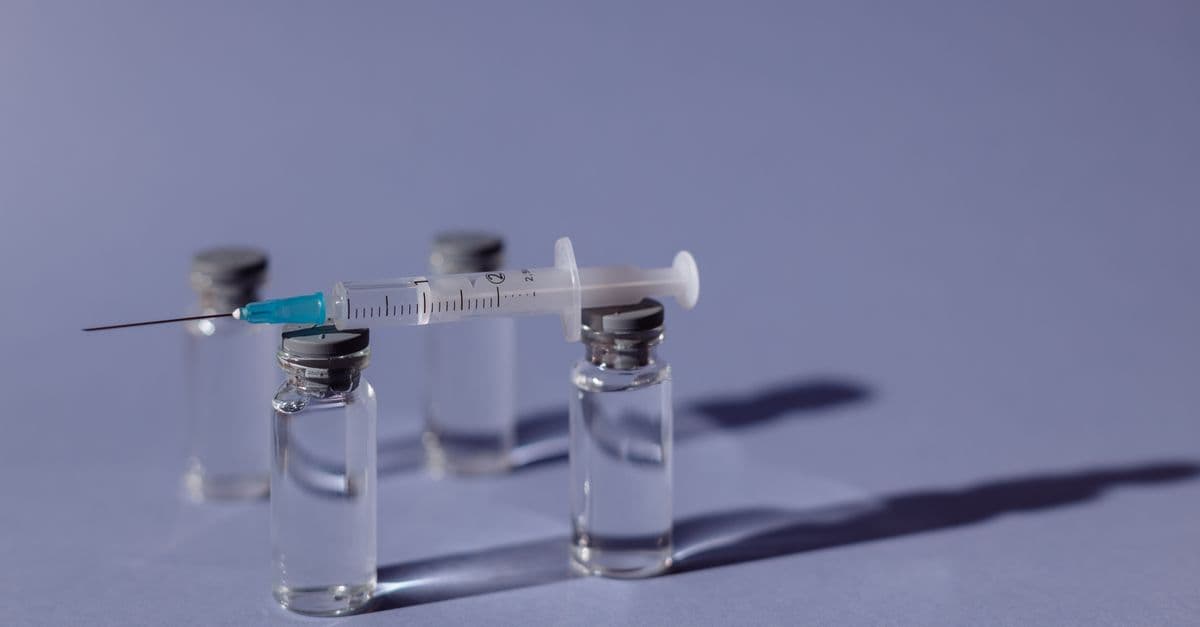
Compounded tirzepatide is different. It typically arrives as a vial of liquid, and you draw a dose with an insulin syringe. Those syringes are marked in units, because they were designed for insulin. And that is where the trouble starts.
Units measure liquid, not drug
A "unit" on an insulin syringe is a volume marking: on a standard U-100 syringe, 100 units is 1 millilitre. It tells you how much liquid you pulled up. It tells you nothing about how much tirzepatide is in that liquid.
How much drug you actually drew depends on the concentration of your specific vial, which is set by the compounding pharmacy and varies between pharmacies and between batches. Two vials that look identical can contain very different amounts of drug per millilitre. So the same 40 units can be a modest dose from one vial and a large overdose from another.
Why there is no universal conversion
This is the core point, and it is why you should be sceptical of any chart, forum post, or calculator that answers "how many mg is X units" with a single number. That answer only exists if you know the concentration of the exact vial in your hand. Without it, the question is unanswerable, and a confidently wrong answer is how people get hurt.
Unit-versus-milligram mix-ups with compounded GLP-1s have been reported as a cause of accidental overdose, sometimes involving many times the intended dose, with severe nausea, vomiting, and hospitalisation. The FDA has flagged dosing errors as a specific risk with compounded semaglutide and tirzepatide products.
What to do instead
- Get the concentration in writing. Your vial label and paperwork should state the concentration (drug per millilitre). If it does not, call the pharmacy and ask.
- Get your dose in both units and mg. Ask the prescriber or pharmacy to tell you exactly how many units to draw for your prescribed dose from that vial, and write it down.
- Re-check after every refill. A new vial can have a different concentration, which means your unit count changes even if your milligram dose has not.
- Never use someone else's numbers. A dose that worked for someone online refers to their vial, not yours.
- Never take a "research peptide" as a dosing reference. Unregulated powder has no verified concentration at all; see our peptide post.
The wider compounded picture
Compounded versions exist largely because of cost and shortages, and they are not the same as the FDA-approved product: the concentration, formulation, and quality control vary by pharmacy, and they are not FDA-reviewed for safety or effectiveness the way the branded drug is. That is a real trade-off to discuss with a prescriber rather than a technicality. Our compounded GLP-1 post covers it in full, and our cost post covers the legitimate ways to reduce price.
If you think you took the wrong amount
Contact your prescriber or a poison control centre promptly rather than waiting to see how it goes. In the US, Poison Control is 1-800-222-1222. Seek emergency care for persistent vomiting, inability to keep fluids down, severe abdominal pain, or signs of dehydration.
Questions people ask
How many mg is 40 units of compounded tirzepatide?
There is no universal answer. Units on an insulin syringe measure volume, not drug, so the milligrams in 40 units depend entirely on your specific vial's concentration, which varies by compounding pharmacy and batch. Only your prescriber or the dispensing pharmacy can tell you for your vial.
Why do compounded GLP-1s use units instead of mg?
Because they come as a vial drawn with an insulin syringe, and those syringes are marked in units by design. Branded pens deliver a fixed milligram dose instead, which removes the calculation entirely.
Is unit confusion actually dangerous?
Yes. Mixing up units and milligrams has been reported as a cause of accidental overdose with compounded GLP-1s, sometimes many times the intended dose, leading to severe vomiting and hospitalisation. The FDA has specifically flagged dosing errors with these products.
What should I check with a new compounded vial?
The concentration stated on the label, and how many units to draw for your prescribed dose from that specific vial. Re-check both at every refill, because a new vial can have a different concentration even at the same milligram dose.
References
- 1.FDA communications on dosing errors with compounded semaglutide and tirzepatide. Find on PubMed ↗
- 2.Mounjaro and Zepbound (tirzepatide) prescribing information: approved dosing. View label on DailyMed ↗
- 3.Reviews of compounded GLP-1 product quality and concentration variability. Find on PubMed ↗
This article is general education, not medical advice. DoseLog is a tracking and reflection tool. Decisions about your medication, dose, and symptoms belong with a licensed clinician.
Keep reading
Medications
What is a compounded GLP-1, and what should you know if you're on one?
Medications
Is tirzepatide a peptide? What it actually is, and why it matters
Medications
What GLP-1s actually cost, and the levers that lower it
Medications
Ozempic dosing: the dose chart from 0.25 to 2 mg
Medications
Is Ozempic safe? What years of use and large trials show
Medications
Long-term effects of Ozempic: what happens over months and years