
Lifestyle
GLP-1 and blood donation: can you donate?
August 12, 2026 · 3 min read
The short answer
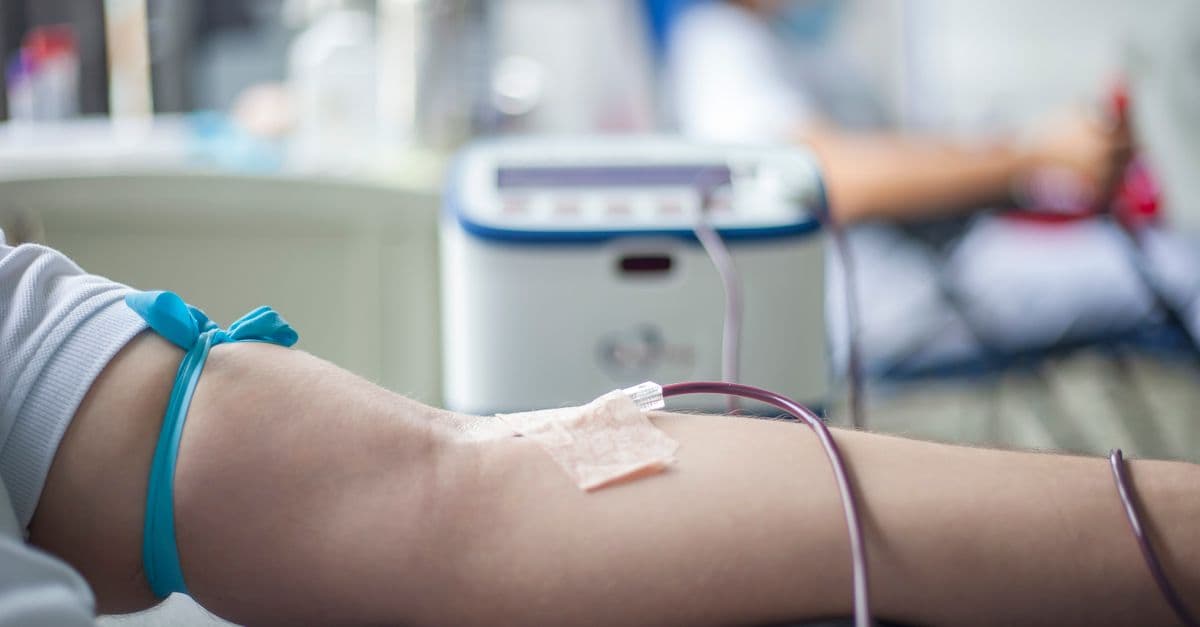
In general you can donate blood while taking a GLP-1 such as semaglutide or tirzepatide. The medication is not a disqualifier by itself, and most blood centers do not treat it as an automatic barrier. Eligibility depends more on your underlying condition, such as how well any diabetes is controlled, and on how you feel that day.
Because these drugs reduce appetite, donate on a day you feel well, hydrate well beforehand, and eat a proper meal even if hunger is low. Rules vary between organizations, so confirm with your blood center before you book.
Can you donate blood on a GLP-1?
In general, yes. Taking a GLP-1 medication such as semaglutide or tirzepatide is not by itself a reason you cannot donate blood. Most blood centers do not treat these medications as an automatic disqualifier. What matters more is the reason you take it and how you are feeling on donation day. Eligibility ultimately depends on the blood center's rules and a brief health screening, so the honest answer is that you likely can, but the center decides. Requirements can also differ for whole blood versus platelet or plasma donation, which is another reason to ask first. This is background information rather than medical guidance; the blood center staff make the final eligibility call.
Your underlying condition matters more than the drug
Blood donation criteria tend to focus on your health, not on the GLP-1 medication specifically. If you take a GLP-1 for type 2 diabetes, most centers allow donation when your diabetes is well managed and stable, though rules vary. If you take it for weight management and are otherwise healthy, the medication alone should not stand in your way. Being on a GLP-1 does not change your blood in a way that makes it unsuitable, and it does not interfere with standard donation testing. Some centers ask brief questions about recent weight loss or unintended weight change, so it can help to explain that any loss is expected from your treatment plan. For related context on lab testing, see does GLP-1 show up in blood work.
How you feel on the day counts
Donating blood asks something of your body, and GLP-1 medications can reduce appetite and sometimes cause nausea, especially after a dose increase. If you have been eating and drinking less than usual, you may be more prone to feeling faint during or after a donation. It is sensible to donate on a day when you feel well, are eating normally, and are not in the middle of troublesome side effects. If a recent dose has left you queasy, it is fine to wait for a better day. Whole blood donation removes a meaningful volume at once, so feeling steady and well fed beforehand makes the experience smoother and recovery quicker.
Hydrate and eat well before donating
The usual donation advice matters even more on a GLP-1. Drink plenty of fluids in the day or two beforehand, and have a proper meal before you go, even if your appetite is low. Good hydration supports your blood volume and lowers the chance of dizziness afterward. Try not to donate on an empty stomach. If reduced appetite makes regular meals hard, a broader look at the effects of these drugs may help, as in is Ozempic safe. After donating, keep drinking fluids and have a snack at the refreshment table, and take it easy for the rest of the day.
Confirm with the blood center first
Because rules differ between organizations and countries, the reliable step is to call or check with your blood center before you book. Tell them which medication you take and why, and be ready to answer questions about your health during screening. Keeping an accurate record of your doses in DoseLog makes those questions easy to answer. None of this replaces the screening staff's judgment on the day, which is what ultimately determines whether you can donate.
Questions people ask
Can I donate blood while taking Ozempic or another GLP-1?
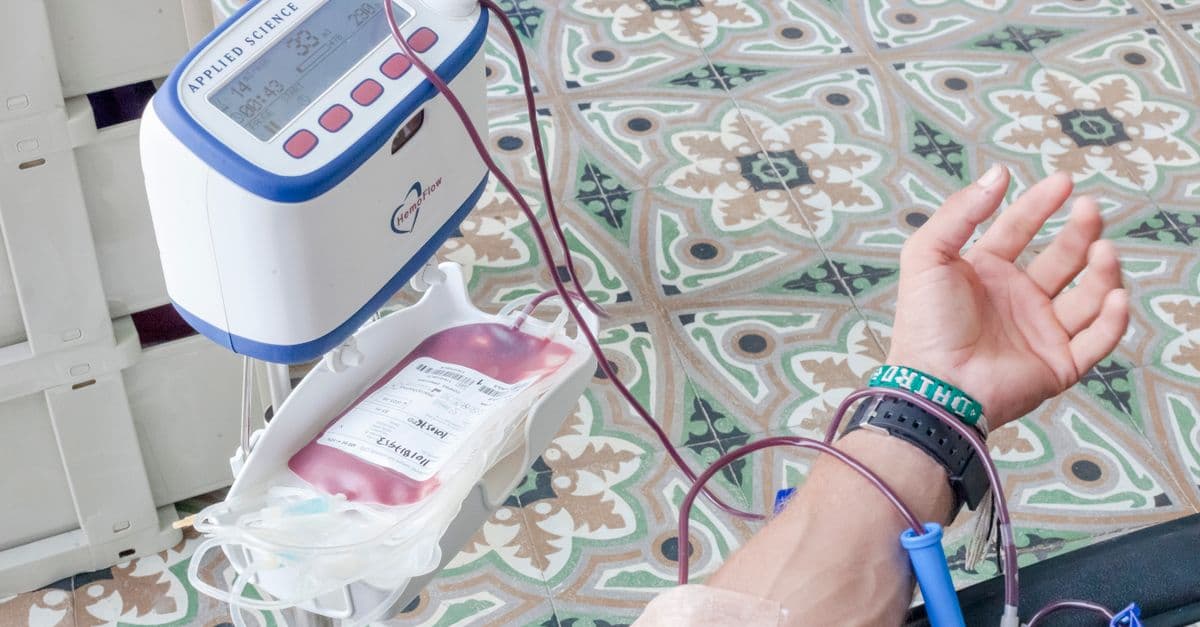
Usually yes. A GLP-1 is not by itself a disqualifier at most blood centers. Eligibility depends more on your underlying health, such as how well any diabetes is controlled, and on how you feel that day. Confirm with your blood center before booking.
Does a GLP-1 affect the blood I donate?
No. GLP-1 medications do not change your blood in a way that makes it unsuitable for donation, and they do not interfere with standard donation testing. The main considerations are your general health and how you feel on the day.
Should I donate blood if I have diabetes and take a GLP-1?
Often yes, if your diabetes is well managed and stable, but rules vary by center. The medication itself is rarely the barrier. Check the specific eligibility criteria with the blood center and answer the screening questions honestly.
How can I donate safely on a GLP-1?
Donate on a day you feel well, hydrate well beforehand, and eat a proper meal even if your appetite is low. Avoid donating on an empty stomach or while nausea is troubling you. Wait for a better day if a recent dose left you queasy.
References
- 1.Ozempic and Wegovy (semaglutide) prescribing information: dosing, adverse reactions, and warnings. View label on DailyMed ↗
- 2.Blood-donation eligibility guidance for people with diabetes and on medication. Find on PubMed ↗
- 3.GLP-1 receptor agonist prescribing information. View label on DailyMed ↗
This article is general education, not medical advice. DoseLog is a tracking and reflection tool. Decisions about your medication, dose, and symptoms belong with a licensed clinician.
Keep reading
Medications
Does a GLP-1 show up in blood work? What it does and doesn't affect
Medications
Is Ozempic safe? What years of use and large trials show
GLP-1 Basics
GLP-1 benefits: what these drugs actually do beyond weight loss
Lifestyle
Being sick on a GLP-1: doses when you have a cold or stomach bug
Lifestyle
Does a GLP-1 reduce alcohol cravings?
Lifestyle
Semaglutide and alcohol: is it safe to drink?