
Medications
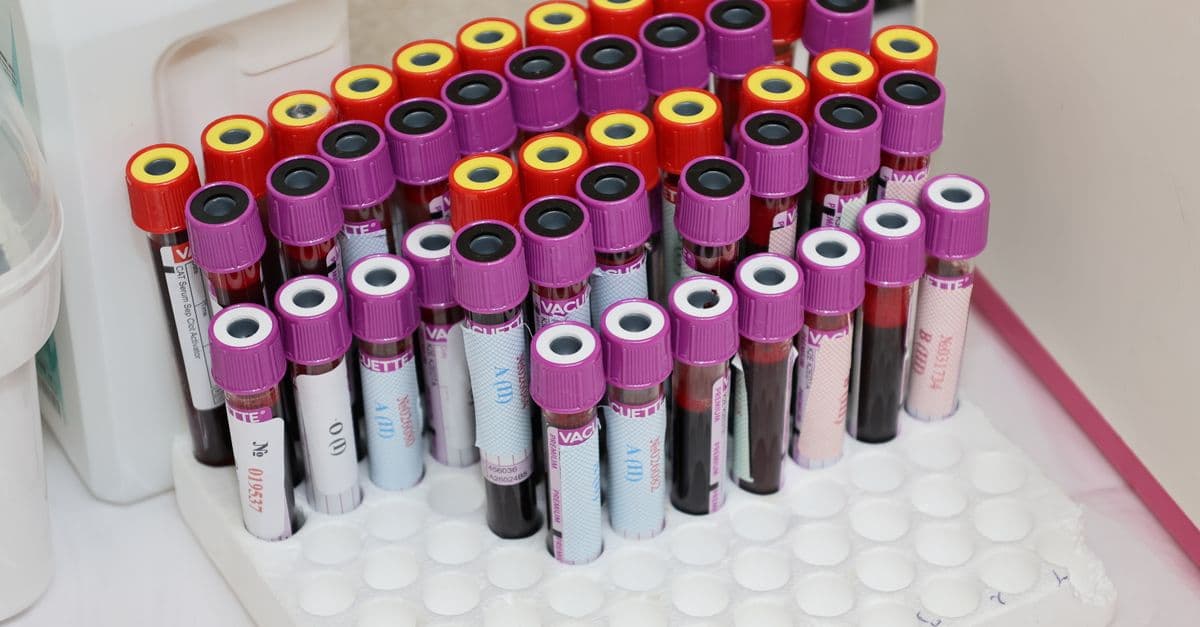
Does semaglutide show up in blood work?
July 23, 2026 · 2 min read
The short answer
Standard, routine blood work does not test for semaglutide itself, because there is no reason to measure the drug and it is not part of ordinary panels. It is also not included in standard workplace or medical drug screens, which look for substances of abuse.
What semaglutide does affect is the results your clinician actually looks at: it lowers blood glucose and HbA1c, and it can influence other markers indirectly through weight loss. Tell any clinician you take it so results are interpreted correctly.
Does semaglutide itself show up?
In ordinary blood work, no. Routine blood tests do not look for semaglutide (the drug in Ozempic, Wegovy, and Rybelsus) because there is no clinical reason to measure the medication itself, and it is not part of standard panels like a complete blood count or metabolic panel. A specialized laboratory could detect it if there were ever a specific reason to test for it, but that is not something that happens in normal check-ups. So a routine blood draw will not "reveal" that you take semaglutide by finding the drug.
What about drug tests?
Semaglutide is not a controlled or recreational substance, and it is not included in standard drug screens, whether for employment, sports, or medical purposes. Those tests look for specific substances of abuse (things like opioids, amphetamines, cannabis, and so on), and a GLP-1 medication is not among them. It will not cause a positive result on a standard drug test.
What semaglutide does change in your results
The important point is that while the drug itself is not measured, its effects are visible in the results your clinician does care about:
- Blood glucose and HbA1c fall, which is the whole point in diabetes and is exactly what your doctor will be tracking.
- Lipids can improve, with lower triglycerides and modest cholesterol changes, largely through weight loss.
- Other markers may shift indirectly as your weight and metabolic health improve.
None of these "give away" the drug specifically, but they reflect that it is working. Our GLP-1 and blood work post covers the wider class.
The practical takeaway
Routine blood work does not detect semaglutide itself and it is not on drug screens, but it does change the diabetes and metabolic results your clinician looks at. The most useful thing you can do is simply tell any clinician that you take it, so blood-sugar and other results are interpreted in context and any other medications are managed safely. This article is general information, not medical advice. Keeping your medication list and dose history in DoseLog makes it easy to share an accurate picture at appointments.
Questions people ask
Does semaglutide show up in routine blood work?
No. Routine blood tests do not measure semaglutide itself, because there is no reason to and it is not part of standard panels. A specialized lab could detect it only if specifically testing for it, which does not happen in normal check-ups.
Will semaglutide show up on a drug test?
No. Semaglutide is not a controlled or recreational substance and is not included in standard drug screens, which look for substances of abuse. It will not cause a positive result on a standard employment, sports, or medical drug test.
Does Ozempic affect blood test results?
Yes, indirectly. While the drug itself is not measured, its effects show up: blood glucose and HbA1c fall, and lipids can improve, largely through weight loss. These reflect that it is working rather than revealing the drug specifically.
Should I tell my doctor I take semaglutide before blood work?
Yes. Even though the drug is not measured directly, telling any clinician you take it means your blood-sugar and metabolic results are interpreted correctly and your other medications are managed safely. Keep an accurate medication list for appointments.
References
- 1.Ozempic and Wegovy (semaglutide) prescribing information: dosing, adverse reactions, and warnings. View label on DailyMed ↗
- 2.GLP-1 receptor agonist pharmacokinetics reviews. Find on PubMed ↗
- 3.HbA1c and blood-glucose response to GLP-1 receptor agonists reviews. Find on PubMed ↗
This article is general education, not medical advice. DoseLog is a tracking and reflection tool. Decisions about your medication, dose, and symptoms belong with a licensed clinician.
Keep reading
Medications
Does a GLP-1 show up in blood work? What it does and doesn't affect
Medications
Is Ozempic safe? What years of use and large trials show
Medications
What GLP-1s actually cost, and the levers that lower it
Medications
Compounded tirzepatide side effects: what to know
Medications
Is tirzepatide a GLP-1? Yes, and something more
Medications
What happens if semaglutide gets warm?