
Symptoms
Zepbound nausea: why it happens and how to settle it
July 26, 2026 · 2 min read
The short answer
Nausea is the most commonly reported side effect of Zepbound (tirzepatide), caused mainly by the slowed stomach emptying that also drives its appetite effect. It clusters in the first weeks and after each dose increase, then usually eases.
Smaller, lower-fat meals, eating slowly, staying upright after meals, and not overeating past fullness help most cases. Persistent vomiting, inability to keep fluids down, or severe abdominal pain need prompt medical attention.
Why does Zepbound cause nausea?
Nausea is the single most common side effect of Zepbound, and it comes mostly from the same action that makes the drug work: it slows how fast your stomach empties. Food sits longer, fullness lingers, and for many people that heavy, over-full feeling tips into queasiness, especially after a large or fatty meal or when you eat past comfort. Zepbound is tirzepatide, so the picture is the same as Mounjaro, and it is shared across the GLP-1 class. Nausea is most pronounced in the first weeks on a dose and in the days right after each dose increase.
What actually helps
- Smaller portions, more often. A slowed stomach handles small meals far better than large ones. Stop at first fullness rather than clearing the plate.
- Go lower-fat and lighter. Fatty, fried, and very rich meals sit longest and trigger the most nausea. Bland, lower-fat foods are gentler during flares.
- Eat slowly, putting utensils down between bites so you notice fullness before you overshoot it.
- Do not lie down right after eating. Staying upright for a couple of hours reduces queasiness and reflux.
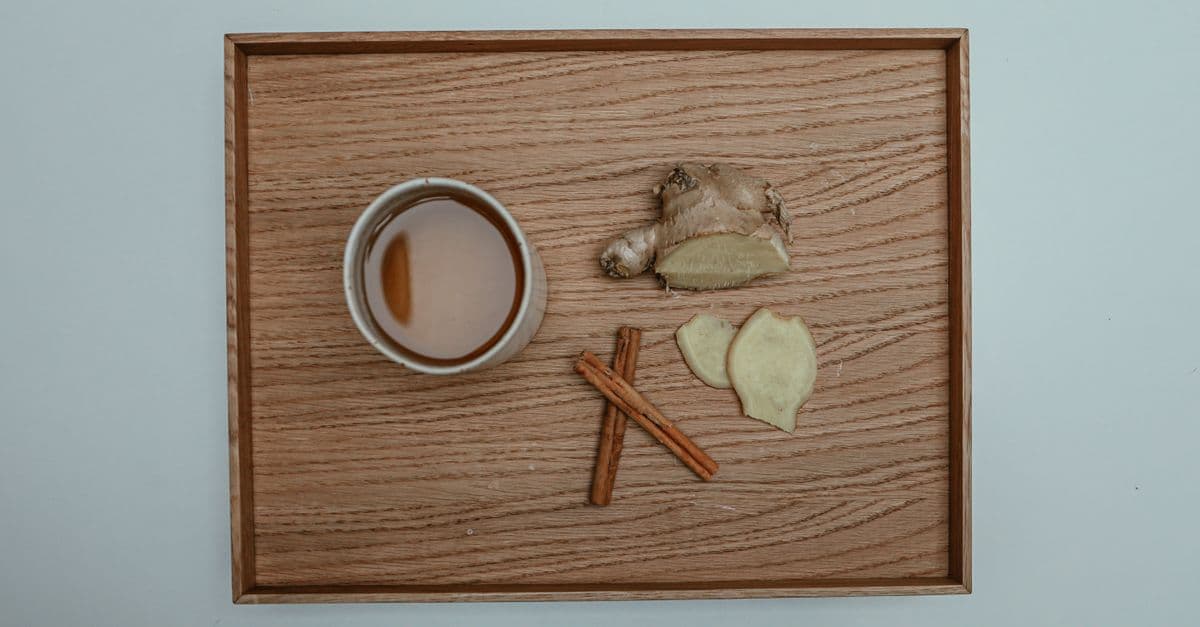
- Sip fluids and try ginger. Small sips through the day and ginger tea or sweets settle many people. A pharmacist can suggest more if needed.
Our tirzepatide nausea post, the foods to avoid post, and the vomiting post cover the wider gut picture.
How long does Zepbound nausea last?
For most people it eases within days to a couple of weeks as the body adapts to a dose, and it tends to flare briefly again after each dose increase before settling. Because Zepbound is titrated up slowly for exactly this reason, nausea that is severe or does not settle at a dose can often be managed by holding the dose or slowing the titration, which your prescriber can arrange.
When nausea needs a clinician
Ordinary nausea is unpleasant but expected. Treat it as urgent when it is different: vomiting you cannot stop, being unable to keep any fluids down (a dehydration risk), or nausea with severe abdominal pain, especially pain radiating to the back, which is pancreatitis territory and needs same-day care. Logging nausea next to your dose days and meals in DoseLog shows whether it tracks your titration or specific foods. This article is general information, not medical advice.

Questions people ask
Why does Zepbound cause nausea?
Mainly because it slows stomach emptying, the same action that curbs appetite. Food sits longer and fullness lingers, which can tip into queasiness, especially after large or fatty meals. Nausea is the most common Zepbound side effect and is worst around dose increases.
How do I stop nausea on Zepbound?
Eat smaller, lower-fat meals, stop at first fullness, eat slowly, stay upright after meals, and sip fluids or try ginger. A pharmacist can suggest more if needed. Most nausea eases as your body adapts to each dose.
How long does Zepbound nausea last?
Usually days to a couple of weeks as your body adapts to a dose, with brief flares after each dose increase. If it is severe or does not settle, your prescriber can hold the dose or slow the titration.
When is nausea on Zepbound serious?
Seek same-day care for vomiting you cannot stop, being unable to keep fluids down, or nausea with severe abdominal pain, especially pain radiating to the back. Those can signal dehydration or pancreatitis rather than ordinary side effects.
References
- 1.Mounjaro and Zepbound (tirzepatide) prescribing information: dosing, adverse reactions, and warnings. View label on DailyMed ↗
- 2.Reviews of gastrointestinal adverse effects of GLP-1 receptor agonists and their management. Find on PubMed ↗
- 3.Delayed gastric emptying and nausea with GLP-1 receptor agonists reviews. Find on PubMed ↗
This article is general education, not medical advice. DoseLog is a tracking and reflection tool. Decisions about your medication, dose, and symptoms belong with a licensed clinician.
Keep reading
Symptoms
Tirzepatide nausea: why it happens and how to settle it
Symptoms
Semaglutide nausea: why it happens and how to ease it
Lifestyle
Foods to avoid on a GLP-1 (and what to eat instead)
Symptoms
Zepbound and constipation: why it happens and how to relieve it
Symptoms
Zepbound and gas: why it happens and how to reduce it
Symptoms
Zepbound sulfur burps: why they happen and how to stop them