
Symptoms
How to poop on a GLP-1: relieving constipation that works
July 23, 2026 · 2 min read
The short answer
GLP-1 drugs slow the gut and reduce food and fluid intake, which commonly causes constipation. The fix is a simple ordered plan: fluids first, then fiber increased gradually, daily movement, and a good toilet routine.
If that is not enough, a pharmacist-recommended gentle laxative (often an osmotic like polyethylene glycol, or magnesium) usually helps. Severe pain, a hard swollen belly with nothing passing, or vomiting is different and needs urgent care.
Why it is harder to go on a GLP-1
Constipation is one of the most common GLP-1 side effects, and it makes sense from how the drugs work. They slow the gut, so stool moves through more slowly and dries out, and because appetite drops, you tend to eat less food and fiber and drink less, all of which make stool harder to pass. The good news is that this is very manageable with a simple, ordered plan, so you rarely need to just wait it out.
The plan, in order
- Fluids first. Dehydration is the biggest reversible cause of hard stool, and it is easy to under-drink when appetite is low. Sip water steadily through the day, aiming to keep urine pale. This alone fixes a lot of cases.
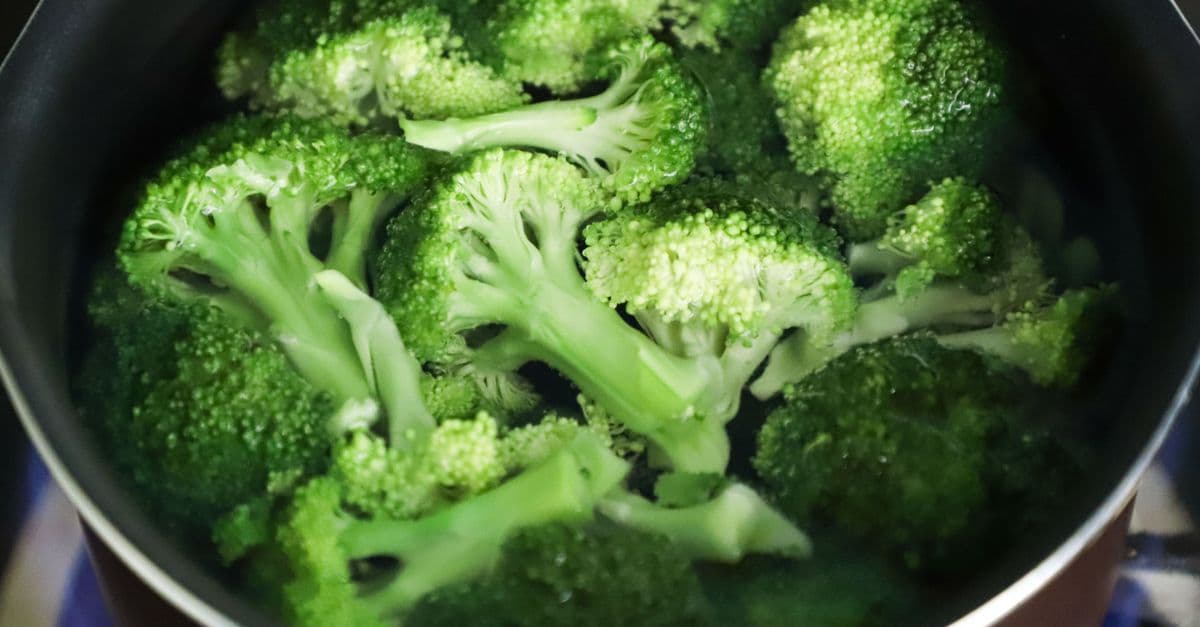
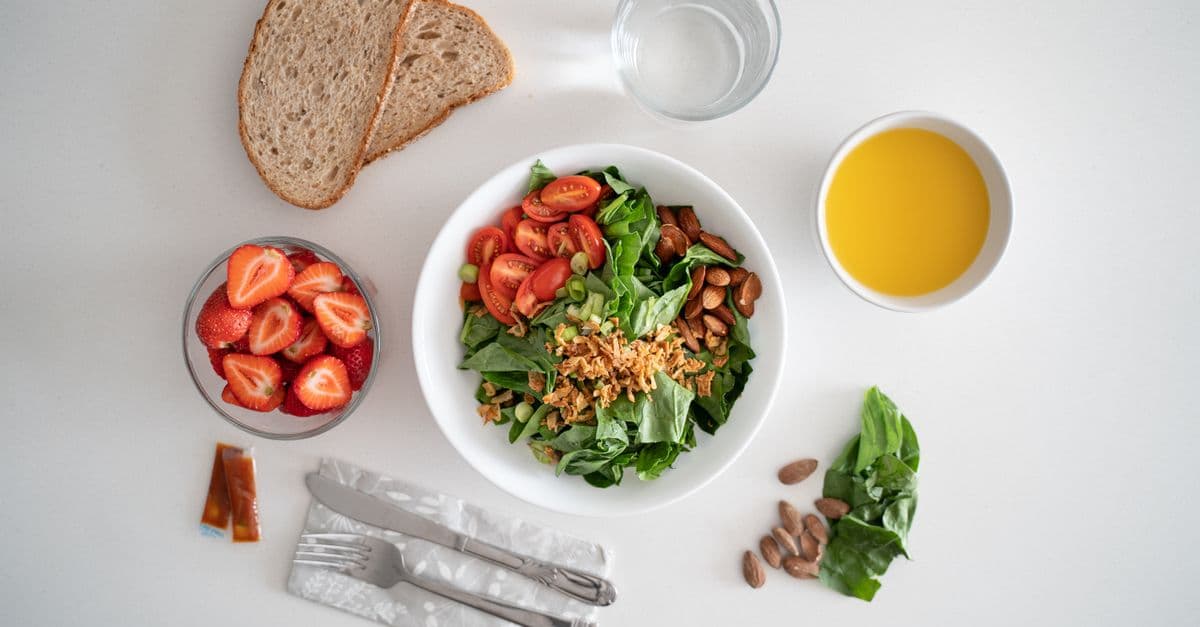
- Fiber, increased gradually. Vegetables, fruit, whole grains, beans, and ground flax or chia soften and bulk stool. Increase it slowly and with plenty of water, because a lot of fiber without enough fluid can make things worse.
- Move every day. A regular walk stimulates the bowel; a mostly sedentary day slows it. Even 10 to 15 minutes after meals helps.
- Use a good toilet routine. Do not ignore the urge, give yourself unhurried time (often after a meal when the gut is most active), and try propping your feet on a small stool so your knees are above your hips, which straightens the angle and makes passing easier.
When to add a laxative
If the basics are not enough, ask a pharmacist about a gentle option. An osmotic laxative such as polyethylene glycol (which draws water into the stool) or magnesium is commonly suitable and gentle, and a fiber supplement can help too. They can match it to you and your other medications. Our post on laxatives for GLP-1 constipation covers the choices, and the general GLP-1 constipation post and foods post go deeper.
When it is not just constipation
Ordinary constipation is a nuisance, not a danger, but treat it as urgent if you have severe or worsening abdominal pain, a hard swollen belly with no gas or stool passing at all (a possible blockage), or vomiting, which need same-day care. Blood in the stool, or constipation alternating with significant diarrhea, also deserves a clinician. Logging your bowel movements next to your dose days and fiber in DoseLog shows whether it tracks your titration and whether the plan is working. This article is general information, not medical advice.
Questions people ask
How do I poop on a GLP-1?
Work an ordered plan: fluids first (dehydration is the biggest cause of hard stool), then fiber increased gradually with water, daily movement, and a good unhurried toilet routine with your feet propped up. If that is not enough, a pharmacist-recommended gentle laxative usually helps.
What is the best laxative for GLP-1 constipation?
A gentle osmotic laxative such as polyethylene glycol, which draws water into the stool, or magnesium is commonly suitable, and a fiber supplement can help too. Ask a pharmacist to match it to you and your other medications rather than guessing.
How long does constipation last on a GLP-1?
It is usually worst in the first weeks and after each dose increase, then eases as the body adapts, provided fluids, fiber, and movement are in place. Constipation that keeps returning at a given dose is worth raising with your prescriber.
When is constipation on a GLP-1 serious?
Seek same-day care for severe or worsening abdominal pain, a hard swollen belly with no gas or stool passing, or vomiting, which can signal a blockage. Blood in the stool also needs a clinician. Otherwise constipation is a manageable nuisance.
References
- 1.Reviews of gastrointestinal adverse effects of GLP-1 receptor agonists and their management. Find on PubMed ↗
- 2.Ozempic and Wegovy (semaglutide) prescribing information: dosing, adverse reactions, and warnings. View label on DailyMed ↗
- 3.Osmotic laxatives, fiber, and constipation management reviews. Find on PubMed ↗
This article is general education, not medical advice. DoseLog is a tracking and reflection tool. Decisions about your medication, dose, and symptoms belong with a licensed clinician.
Keep reading
Symptoms
GLP-1 constipation: why it happens and what actually moves things
Symptoms
The best laxative for GLP-1 constipation (and the order to try things)
Lifestyle
Foods to avoid on a GLP-1 (and what to eat instead)
Symptoms
Mounjaro and hair loss: why it happens and what actually helps
Symptoms
Does your GLP-1 make you tired? Why fatigue happens on every brand
Symptoms
Can a GLP-1 cause depression? What the evidence actually shows